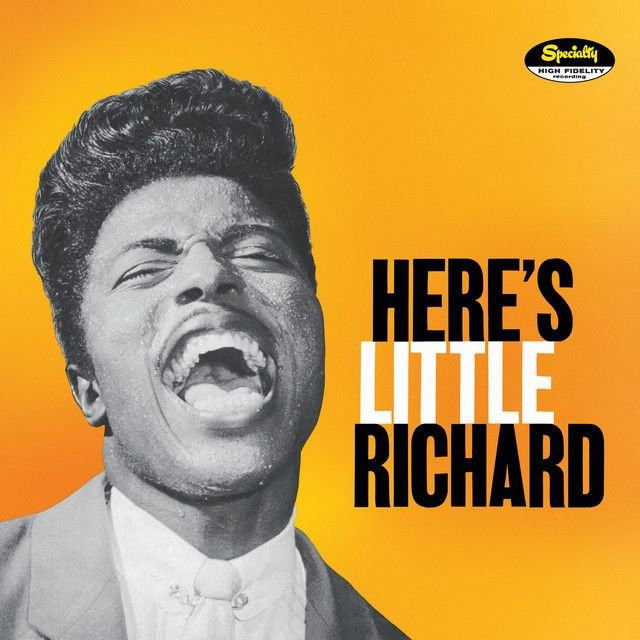
Why ‘Tutti Frutti’ Sounded Like Freedom
“Wop-bop” wasn’t just noise—it was a door swinging open. If you’ve ever wondered about the meaning of Tutti Frutti Little Richard, think of it as a shout of release, where words, rhythm, and attitude turn teenage desire into a brand-new sound. The record crams flirtation, party slang, and pure rhythm into 2 minutes and 23 seconds, and in doing so, it helps launch rock and roll.
"Tutti Frutti" - Little Richard
Tutti frutti, oh rootie
Tutti frutti, oh rootie
Loading lyrics...
Unable to load lyrics
We're unable to display the lyrics at this time. Please try again later.
Desire in Code, Joy in Plain Sight
The verses sketch quick scenes of attraction. A line like I got a gal, named Sue
sets the point of view: someone bragging about love interests, not settling down, just buzzing. When he adds that one woman drives me crazy
, it pushes the mood from casual crush to fever.
Then comes the refrain—Tutti frutti, oh rootie
. “Aw rooty” was mid-century slang for “all right,” a party-ready thumbs-up. Interpretation: the hook isn’t about fruit; it’s a green light for release. The lyric keeps things playful and coded, but the feeling is clear: permission to move, shout, and flirt.
Watch the official Tutti Frutti
music video
Who’s Speaking—and Who’s Listening
The song is in the first person, bragging and inviting. He bounces between names and boasts—she dances, she loves, she’s the best. Lines like she rocks to the East
widen the scene to a country-sized dance floor. Interpretation: he’s performing for a room—any room—ready to catch fire. The tone is teasing and communal, as if he’s talking to friends over a pounding band.
From Club Jam to Canon: How It Was Made
“Tutti Frutti” was recorded on September 14, 1955, at J&M Studio in New Orleans, produced by Robert “Bumps” Blackwell with members of Fats Domino’s band. Little Richard on piano and vocals, Earl Palmer on drums, Lee Allen and Red Tyler on saxes, Justin Adams on guitar, and Frank Fields on bass cut the master in about 15 minutes over three takes. The tune rides a twelve-bar blues form, but Little Richard’s two-handed piano in the high register, the leaner backbeat (not a swing shuffle), and the blaring sax breaks make it feel new—urgent and hard-driving.
There’s important context: early versions sung in clubs were reportedly much bawdier, and lyricist Dorothy LaBostrie reworked words for radio. Even so, the single’s energy made waves. It hit No. 2 on the R&B chart and No. 13 on the pop chart, and later entered the National Recording Registry. Interpretation: radio-friendly words didn’t blunt its message; the performance carried it.
What the Hook Really Means
The most famous burst—often heard as A wop bop a loo bop
—sounds like nonsense until you feel it as rhythm. Little Richard modeled it after a drum pattern in his head. Interpretation: this is onomatopoeia for joy, a vocal snare roll that detonates the band. It’s not about literal meaning; it’s about motion. The mouth becomes a drum, the line between voice and kit erased.
Symbols, Slang, and the Wink
Tutti frutti, oh rootie
: “All right,” a party password.- Girls’ names (“Sue,” “Daisy”): 1950s pop shorthand for desire; the specifics matter less than the rush.
- Travel verbs—
she rocks to the East
: movement as freedom; America as a dance map.
Interpretation: beneath the clean radio words is a knowing wink about sex and youth. Some accounts point to raunchy club lyrics before the rewrite; LaBostrie herself later tied the title to an ice-cream flavor. What’s consistent is the performance: flirty, outrageous, and liberating. As Bob Dylan later put it, Little Richard sounded like he was “speaking in tongues”—a churchy kind of ecstasy brought to the radio.
How the Sound Sells the Feeling
Everything in the recording says “go.” Palmer’s backbeat snaps, pushing the song forward. Richard’s right-hand triplets sparkle high on the piano, like bright lights on a midway. The saxophones honk and answer his voice, turning the track into a call-and-response party. At just over two minutes, it burns hot, then vanishes—like a dance-floor flash that leaves you breathless and wanting more.
Interpretation: the sound embodies freedom before the words do. Loudness, speed, and that cracked, holy scream flip a switch in listeners. This was new in 1955—less polite swing, more attack—which is why so many later artists followed its blueprint.
Why It Still Matters
“Tutti Frutti” wasn’t only a hit; it redrew borders. It pulled gospel fervor into pop, toughened boogie-woogie into a straight-ahead rock beat, and crossed over from R&B to mainstream charts. Pat Boone’s toned-down cover proved two things at once: the melody was bulletproof, and the original’s wildness carried a power that pop polish couldn’t match.
Takeaway
If you’re after the meaning of Tutti Frutti Little Richard, hear it as a coded but unmistakable celebration of desire and motion. The slang says “all right,” the beat says “now,” and the voice says “no turning back.”
Disclaimer: Song meanings are interpretive and reflect one critical reading, informed by artist history and documented context.








