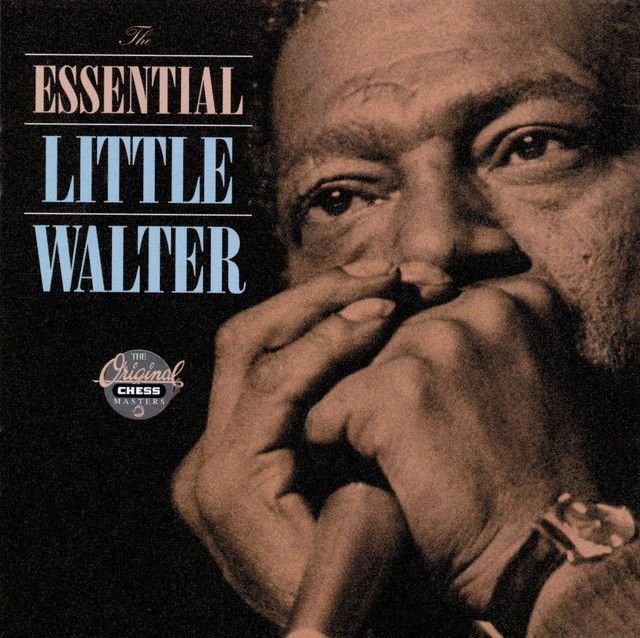
Juke by Little Walter
The Big Idea Behind a Wordless Classic
When people search for the meaning of Juke Little Walter, they are asking an unusual question. This is not a lyric-heavy blues song. It is an instrumental. That means its meaning comes from feel, movement, tone, and attitude more than from a story told in words.
"Juke" - Little Walter
Forty days and forty nights
Since my baby left this town
Loading lyrics...
Unable to load lyrics
We're unable to display the lyrics at this time. Please try again later.
At its core, "Juke" sounds like freedom, swagger, and release. Little Walter turns the harmonica into a lead voice that can joke, push, cry, and dance all at once. Rather than describe heartbreak or hard times directly, they let the instrument act out the emotional life of Chicago blues itself.
Interpretation: the song feels like a trip through a busy club night. It swings, pauses, surges, and then snaps back into rhythm. That makes its meaning less about one event and more about confidence, motion, and survival.

Watch the official Juke
music video
Why “Juke” Matters So Much in Blues History
Factually, “Juke” was recorded on May 12, 1952, in Chicago and released that year on Checker Records. It was written by Walter Jacobs, better known as Little Walter, and produced by Leonard Chess. According to the Blues Foundation, the song later entered the Blues Hall of Fame, and it is widely treated as a landmark recording.
Its success was huge. Research on the song notes that it reached No. 1 on the Billboard R&B chart and stayed there for eight weeks, an extraordinary feat for a harmonica instrumental. That matters to the meaning of the record because its popularity proved that a harmonica could carry the emotional and commercial weight usually given to a singer or saxophone.
In simple terms, Little Walter did not just play a tune. They changed what listeners thought a blues instrument could say.
A Voice Without Words
One reason the meaning of Juke Little Walter feels so strong is that the harmonica behaves like a human voice. The lines bend and swell. Some phrases sound playful; others sound almost like a challenge.
The performance does not sit still. It builds pressure, then relaxes. That pattern gives the song its emotional shape. Even without lyrics, listeners can hear tension and release, which is a basic blues language.
What the Instrument Seems to Be Saying
A useful way to hear “Juke” is through three emotional moves:
- Announcement: the opening riff arrives like a calling card.
- Conversation: the middle sections answer and vary the main idea.
- Triumph: the later passages sound bolder and more forceful.
Interpretation: this arc makes the song feel like self-introduction and self-assertion. It is as if Little Walter is saying: this is my sound, and it deserves the spotlight.
The Sound That Carries the Meaning
The production is central to the song’s power. “Juke” is a swinging shuffle with a boogie-style guitar pattern behind it. Just as important, Little Walter used amplified harmonica, shaping a thick, slightly rough tone that cut through the band.
That amplified attack became one of the defining sounds of Chicago blues. The Recording Academy later recognized the recording in the Grammy Hall of Fame, which helps explain how lasting its influence has been.
The sound itself tells part of the story. A cleaner harmonica might have sounded light or polite. Walter’s tone sounds bigger, urban, and modern. It has grit. That grit is a clue to meaning: the song reflects a city blues style built on pressure, electricity, and personality.
Rhythm, Structure, and Emotional Motion
“Juke” is built from blues form, but it is not rigid. It swings hard, and its phrasing gives it life. Research on the composition points out that the track features several dynamic rises and falls, plus small meter quirks that make the performance feel loose and alive rather than mechanical.
That matters because blues meaning often lives in timing. The notes are important, but so are the hesitations, pushes, and breaths between them. Walter uses those spaces to create suspense.
Interpretation: this is why the song can feel both danceable and dramatic. It invites movement, but it also keeps listeners alert. They never feel like the song is merely repeating itself.
More Than a Hit: A Musical Statement
“Juke” was Little Walter’s first major solo hit after years of work in Chicago, including playing with Muddy Waters. So the record can also be heard as a breakthrough statement.
It is not just entertainment. It is proof of arrival. A sideman stepped forward and made the harmonica the star.
That reading fits the music. Nothing in the performance sounds shy. The lead tone is too commanding for that. Even when the phrasing turns light and swinging, the song still projects control.
A Strong Alternate Reading
There is another valid way to hear the track. Instead of hearing pure confidence, some listeners may hear competition. Blues bands often worked in crowded scenes where musicians had to stand out fast.
Interpretation: under that lens, “Juke” becomes a musical challenge. It shows technique, imagination, and nerve in under three minutes. That may help explain why it became a standard that serious harmonica players were expected to know.
So, What Is the Meaning of Juke Little Walter?
The best answer is this: “Juke” means expression without explanation. It turns feeling into motion and style into sound. Its meaning comes from how Little Walter makes the harmonica speak with the force of a lead singer and the drive of a horn section.
That is why the record still lands today. It does not need verses to explain itself. Its message is in the swagger, the swing, and the amplified bite.
For many listeners, that is the heart of the meaning of Juke Little Walter: a blues instrumental that sounds alive, proud, and impossible to ignore.
Disclaimer: Interpretation of instrumental music can vary. This reading separates documented history from informed critical interpretation.







