Why 'Pillar of Davidson' Feels So Uneasy
The meaning of Pillar of Davidson Live centers on a clash between human dignity, economic pressure, loneliness, and spiritual struggle. It is one of Live's most tense songs because it sounds like someone trying to stay awake inside a world that keeps reducing people to labor, profit, and fear.
"Pillar of Davidson" - Live
are not machines that can only make money
past perfect tense
Loading lyrics...
Unable to load lyrics
We're unable to display the lyrics at this time. Please try again later.
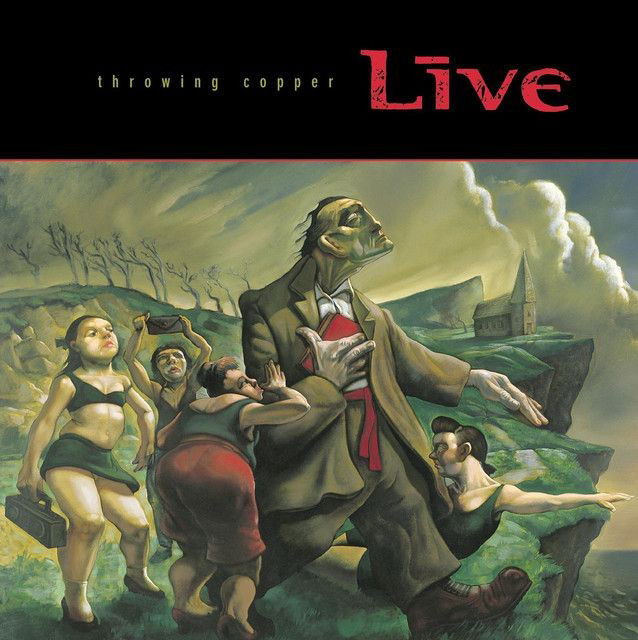
The track appears on Throwing Copper, the 1994 album that helped make Live a major alternative rock act in the United States, according to the band's album history and major music databases such as AllMusic and Discogs. That context matters. Live often mixed personal pain with big moral language, and this song pushes that habit into darker territory.
The Song's Core Conflict
At its heart, the song argues that people are more than tools of the economy. Early on, the narrator rejects a mechanical view of life with the phrase not machines
. Paraphrased, the idea is simple: bodies and minds are living, feeling things, not devices built only to produce income.
That complaint grows into a wider social critique. The song points toward bosses, systems, and profit-driven power with lines like go see the foreman
and go see the profiteer
. Rather than telling a neat story, it presents flashes of a world where work feels degrading and the powerful seem distant from ordinary suffering.
Interpretation: this makes the song sound anti-dehumanization more than anti-work. It is less about one bad job and more about a culture that treats emotional life as disposable.

Watch the official Pillar of Davidson
music video
A Voice Caught Between Care and Escape
Another key part of the meaning of Pillar of Davidson Live is the strange promise, I'll be along son
. The line sounds comforting on the surface, almost parental. But it is quickly tied to medicine that is supposed to make you high
, which complicates the moment.
That shift creates ambiguity. Is the speaker offering real care, chemical relief, or emotional numbing? The song never fully answers. Instead, it captures how help can feel mixed with control, sedation, or dependence.
Loneliness as the Hidden Engine
The repeated image of old, bad eyes
feels like the song's haunted center. Those eyes suggest exhaustion, age, judgment, or self-recognition. Right after that image, the lyric links loneliness to motion and pressure, as if isolation is not passive but something that pushes a person through the day.
Interpretation: the song may be describing depression or spiritual burnout in social terms. The world outside is exploitative, but the inner cost is loneliness.
Spiritual Language Without Comfort
Like many Live songs, "Pillar of Davidson" uses religious imagery, but not in a calm or reassuring way. The most striking example is the line about the shepherd.
the shepherd won't leave me alone
he's in my face
Paraphrased, the image twists a familiar symbol of guidance into something invasive. A shepherd is usually protective. Here, that presence feels relentless and uncomfortable.
This is important because it shows that the song's spiritual dimension is not simple faith. It sounds more like an argument with authority, conscience, or God. The next idea, the shepherd of my days
, suggests a force shaping life itself, yet the singer does not sound peaceful under that care.
Interpretation: there are two strong readings here:
- The shepherd is a religious symbol, and the song captures a believer struggling with divine pressure.
- The shepherd is any authority figure claiming moral control: church, parent, boss, or social system.
Both readings fit because the song keeps spiritual and social power close together.
How the Sound Carries the Message
The production helps explain why the song feels so unsettled. Throwing Copper was produced by Jerry Harrison, known for bringing clarity and force to alternative rock recordings, as noted in album credits documented by AllMusic. On this track, the band does not chase polish for its own sake. They build pressure.
The guitars feel heavy but not flashy. The rhythm section moves with a dragging determination, which mirrors the lyric's sense of labor and burden. Ed Kowalczyk's vocal delivery is especially important: he sounds half-preacher, half-wounded witness. That balance keeps the song from becoming abstract.
Instead of giving the listener release, the arrangement keeps circling tension. The music sounds like a person pacing in a room, returning to the same fears and questions. That is why the song's repetitions work. They do not just repeat ideas; they trap the listener inside them.
Why the Song Still Connects
Part of the meaning of Pillar of Davidson Live is that it names a feeling many people still recognize: the fear of becoming useful but not fully human. Its images of profit, medicine, pressure, and unwanted guidance feel very modern, even though the song came from the mid-1990s.
It also fits a wider pattern in Live's catalog. The band often wrote songs where social anger, bodily pain, and spiritual longing were tangled together. "Pillar of Davidson" may be less famous than the album's big singles, but it shows that blend in a raw form.
Final Take on Its Meaning
The best way to hear the song is as a portrait of a person resisting reduction. They are resisting being turned into a worker only, a patient only, a sinner only, or a believer only. The song's anxiety comes from that fight.
In the end, the meaning of Pillar of Davidson Live lies in its refusal to separate public systems from private suffering. It says that exploitation is emotional, loneliness is political, and spiritual struggle can feel physical. That is why the song still sounds heavy long after it ends.
Disclaimer: This interpretation is based on the lyrics, recorded performance, and publicly available song credits. As with most poetic songs, other readings are possible.