Why Lobo Refuses Friendship After Heartbreak
The meaning of Don't Expect Me to Be Your Friend Lobo comes down to one painful idea: sometimes love does not fade neatly into friendship. In this 1972 soft-rock hit, the speaker is not bitter because the relationship ended. They are honest because it still hurts.
"Don't Expect Me to Be Your Friend" - Lobo
You said you aren't home much anymore
I stopped dropping by without an appointment
Loading lyrics...
Unable to load lyrics
We're unable to display the lyrics at this time. Please try again later.
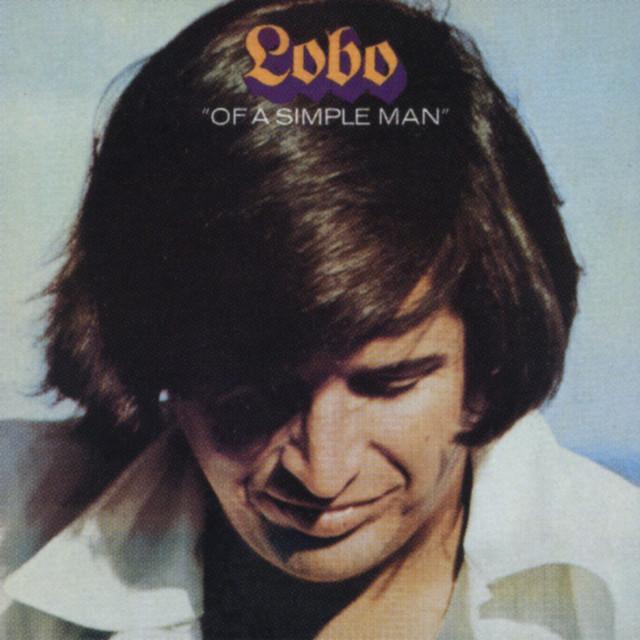
Lobo, born Kent LaVoie, wrote and recorded the song for Of a Simple Man. It became a major hit, reaching No. 8 on the Billboard Hot 100 and No. 1 on the Adult Contemporary chart, according to chart data summarized by Wikipedia and Songfacts. Those facts matter because they show how strongly this gentle but sharp emotional message connected with listeners in the early 1970s.
A breakup song about boundaries, not revenge
At first glance, the title sounds cold. But the song is not really about punishing an ex. It is about self-protection.
The narrator describes backing away from old habits. They stop sending gifts, stop visiting, and stop returning to familiar places. Each detail shows someone trying to recover by creating distance. When they hear signs that the other person has moved on, the wound opens again.
That is why the central line hits so hard: love you too much
. The problem is not lack of feeling. It is too much feeling. The narrator knows that acting friendly would keep hope alive and make healing impossible.

Watch the official Don't Expect Me to Be Your Friend
music video
The chorus turns a simple phrase inside out
The song’s smartest move is its emotional contradiction. The narrator says, ever start liking you
, which sounds strange until the larger meaning settles in. They do not mean they dislike this person. They mean “liking” is too small, too casual, too polite for what they feel.
Interpretation: this is the song’s key insight. Friendship requires emotional balance. The narrator has none. Their love is still romantic, still bruised, and still active. So when they say don’t expect me
, it is less a threat than a boundary.
That boundary feels mature because the speaker does not ask for another chance. They do not beg, insult, or dramatize. They simply admit that a lesser role in this person’s life would hurt more than absence.
Small scenes make the heartbreak feel real
One reason the song works so well is its storytelling. Instead of speaking in broad clichés, it uses ordinary moments.
There is the image of late-night calls. There is the awkward promise to stop by someday, even though the narrator knows that promise cannot be kept. There is the painful social scene where the ex seems cheerful and introduces a new partner. In that moment, the narrator feels the emotional collapse suggested by walls start crashing in
.
These scenes build the song’s timeline:
- The relationship is over.
- Contact still continues in small ways.
- The ex seems more comfortable with the new reality.
- The narrator realizes friendship would be unbearable.
That progression gives the song its emotional logic. It is not a sudden refusal. It is a conclusion reached through repeated hurt.
Memory is the real enemy here
Another important part of the meaning of Don't Expect Me to Be Your Friend Lobo is memory. The narrator avoids shared places and tries to erase old images because thinking about the past scrambles the mind.
This is classic breakup psychology, and the song captures it with unusual simplicity. The problem is not only seeing the ex. It is also how memory keeps replaying the relationship. Every street, visit, and late-night call becomes a trigger.
Interpretation: friendship would force the narrator to live inside those triggers. It would preserve the bond while removing the romance, which may be the cruelest possible compromise for someone still in love.
How the soft-rock sound deepens the message
The production matters too. The song is typically identified as soft rock or pop, and it was produced by Phil Gernhard. That style is crucial. A harder arrangement might have pushed the song toward anger. Instead, the gentle tempo and smooth vocal delivery make the pain sound controlled, private, and believable.
Lobo’s voice does not explode. It settles. That restraint tells listeners the speaker has already thought this through. The calmness of the performance makes the message stronger: this is not a dramatic outburst but a final emotional truth.
The melody also helps. It is easy, almost comforting, while the lyrics describe discomfort and loss. That contrast mirrors real heartbreak, which often happens in quiet moments rather than loud ones.
Why the song still lands today
Many breakup songs ask whether exes can stay friends. This one gives a clear answer: not always. That is why it still feels current.
Modern listeners may hear it as a song about boundaries, emotional honesty, and refusing a role that feels false. The narrator is not saying the other person is cruel for offering friendship. They are saying friendship is impossible under these conditions.
That distinction keeps the song compassionate. Even in hurt, it stays human.
The lasting takeaway from Lobo’s hit
In the end, the meaning of Don't Expect Me to Be Your Friend Lobo is simple but piercing: when love remains intense, friendship can become another form of heartbreak. The song honors that difficult truth without turning mean.
Its lasting power comes from how plainly it speaks. The narrator knows what they feel, knows what they cannot fake, and chooses distance over emotional self-deception.
Disclaimer: This interpretation is based on the lyrics, recording context, and publicly available song history. As with any song, listeners may hear different meanings in it.







