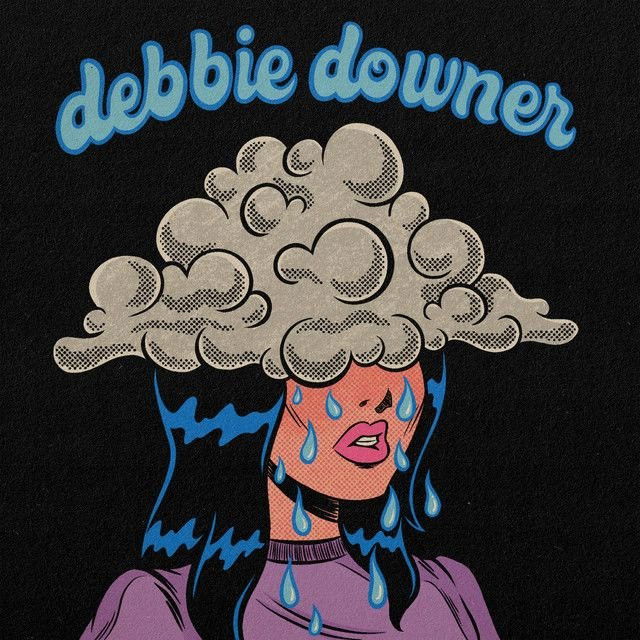
Why “debbie downer” Turns an Insult Into Power
The meaning of debbie downer LØLØ, Maggie Lindemann starts with a simple idea: people love to reduce a complicated woman to one easy label. This song pushes back on that habit.
"debbie downer" - LØLØ, Maggie Lindemann
And when she walks in they be looking at her sideways
She's a little too drunk falling over in the door way
Loading lyrics...
Unable to load lyrics
We're unable to display the lyrics at this time. Please try again later.
Released on February 10, 2022, through Hopeless Records, the single arrived as LØLØ continued building her place in the pop-punk revival. American Songwriter described it as a sharp, angsty track with strong drums and catchy guitar riffs, and noted its connection to the era’s renewed love for pop-punk energy (American Songwriter). That sound matters, because the production turns emotional judgment into something loud, funny, and defiant.
The Core Meaning Hides in Plain Sight
At its heart, the song is about social shaming. The narrator is watched at parties, talked about behind their back, and turned into a character others can mock. Instead of denying that image, the song grabs it and wears it on purpose.
That is why the repeated self-naming matters. When they sing Debbie, Debbie downer
, they are not simply accepting an insult. They are changing who controls it. Interpretation: the song suggests that once a person names the stereotype themselves, the crowd loses some of its power.
LØLØ told American Songwriter that the track came from being called too aggressive
and too depressive
, and that it was written from the point of view of other people talking badly about her. She also said it was for anyone who feels like they do not belong (American Songwriter). That artist comment gives the song a clear frame: this is not random attitude, but a response to judgment.

Watch the official debbie downer
music video
A Portrait of the Outsider at the Party
The verses place the character in public spaces where people are already deciding who they are. The party scene is important because it is social, visible, and cruel. Everyone is looking, whispering, and assigning meaning to behavior.
Short details create that image fast: a messy entrance, heavy drinking, and a refusal to act polite for the room. The line about all black everything
signals both style and identity. It paints the character as goth-coded, emotionally guarded, and impossible to fold into cheerful group norms.
What the crowd sees versus who they are
The chorus repeats the crowd’s version of the character: a rain cloud, burned out, cold, sour. But those labels feel exaggerated on purpose. The song makes the gossip sound shallow.
Rain cloud
Floating all around her
Burned out
Look a little sour
Those images do not read like a balanced description. They sound like people flattening someone into a mood board. Interpretation: the song is exposing how quickly women get called difficult when they are sad, intense, drunk, loud, or simply uninterested in being pleasant.
Why the Hook Feels So Cathartic
The most effective part of the song is how playful it is. Even when the lyrics describe ridicule, the hook is catchy enough to feel like a chant. That tension is the point.
The production helps carry that meaning. Reviews highlighted its powerful drums and riff-heavy punch, and those choices keep the song from sinking into self-pity (American Songwriter). Instead, it sounds bratty, sharp, and ready for a crowd to shout back.
Maggie Lindemann’s feature also strengthens that mood. Her presence adds another artist known for dark-pop and pop-punk edge, so the song feels communal rather than isolated. It is less one person confessing pain and more two artists turning judgment into a shared sneer.
The “Cold” Image Means More Than Meanness
The recurring idea of being cold works on two levels. On the surface, it reflects what the crowd thinks: this person drains the room and kills the vibe. That is the insult.
But the song also hints that coldness can be armor. After criticism, burnout, and social exile, emotional distance may be protective. When the song repeats cold like ice
, it sounds mocking at first, but it also starts to sound proud.
That dual meaning is one reason the track lands. It understands that the labels people use can hurt, yet it also imagines a way to survive them by exaggerating them until they break.
The Video and Cultural Context Add Another Layer
The single’s video leaned into a goth cheerleader look and openly nodded to Bring It On, according to American Songwriter. LØLØ said she wanted cheerleaders in spaces where they do not belong, like a joke about misfit identity (American Songwriter).
That visual idea matches the song perfectly. Cheerleaders usually symbolize pep, popularity, and social approval. Making them dark, emo, and out of place flips that image. It also supports the article’s larger point about rejecting the “manic pixie dream girl” expectation and refusing to be cute, healing, or easy for others.
Final Take on the Song’s Message
So, what is the meaning of debbie downer LØLØ, Maggie Lindemann? It is a song about how outsiders get named by other people first, then fight back by owning the name before it can wound them again.
More deeply, it is about the pressure to be likable. The song argues that being sad, angry, aggressive, weird, or burnt out does not make someone less worthy. It just makes them real.
Interpretation disclaimer: This reading is based on the lyrics, the song’s sound, and publicly available artist comments. Like most pop songs, it can support more than one valid interpretation.









