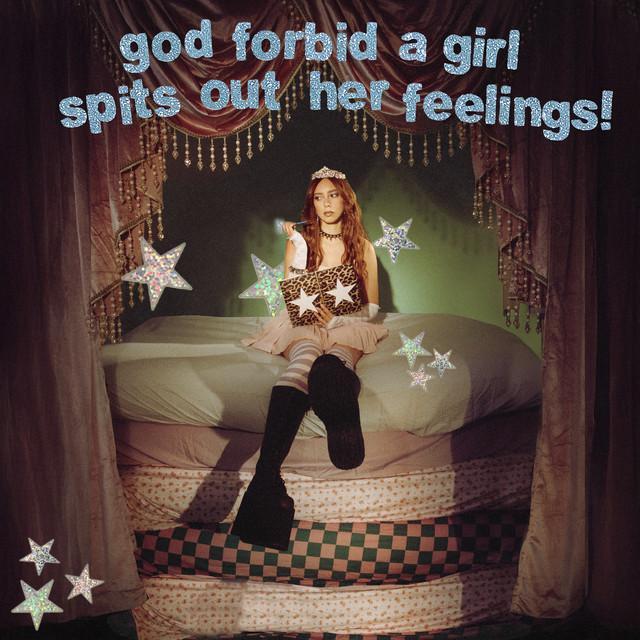
Why “The Punisher” Hurts on Purpose
The meaning of the punisher LØLØ comes down to one brutal idea: they know they are making their own heartbreak worse, but they cannot stop. Instead of painting a clean breakup, the song focuses on the ugly aftershocks—doomscrolling, checking up on an ex, and replaying pain just to feel close to them again.
"the punisher" - LØLØ
I'm listening to the playlist you sent me
I look at pictures where you still looked like you love me
Loading lyrics...
Unable to load lyrics
We're unable to display the lyrics at this time. Please try again later.
That idea fits how the song has been framed publicly too. Billboard Canada called it an “ex-stalking breakup song,” which is blunt but useful context. LØLØ turns that messy behavior into a pop-rock confession about shame, compulsion, and emotional self-harm.
The Real Target Is Not the Ex
On the surface, the title sounds aggressive, like the singer wants revenge. But the twist is that the “punisher” is mostly punishing themself.
Early images show them clinging to leftovers from the relationship: a sweater, a playlist, old photos. Those details matter because they are ordinary, intimate objects. They keep the ex emotionally present even after the relationship is over.
Then the song sharpens. When they admit I know everything
, it reveals a level of online surveillance that goes beyond simple curiosity. They are not just sad; they are feeding the sadness.
Interpretation: the title works as self-judgment. They are the one reopening the wound, choosing habits that bring fresh pain.
A Breakup Story Told Through Digital Compulsion
What makes this song feel current is its internet-age setting. Older breakup songs might focus on late-night calls or letters. Here, the damage arrives through social media, photos, and easy access to someone else’s new life.
The line God, I hate the internet
sums up that trap. The internet is blamed, but the song is honest enough to show that technology is only part of the problem. The deeper issue is temptation. Information is available, and they keep taking it.
The emotional timeline
The story moves in a clear sequence:
- They hold onto physical reminders of the old relationship.
- They learn about the new girl and keep digging.
- They cross a line into real-world checking, including the drive-by image.
- They end up alone, stuck with the mental pictures they created.
That structure gives the song momentum. Each step feels worse than the one before, as if curiosity becomes ritual and then addiction.
Why the Chorus Lands So Hard
The chorus explains the whole song in one ugly loop. When they say I'm hurting my feelings
, the writing becomes unusually direct. There is no poetic cover. They understand exactly what they are doing.
That clarity is what makes the hook hit. The song is not about being confused by pain. It is about participating in it.
I'm hurting my feelings
I'm twisting the knife in
How low can I go?
Those lines turn the breakup into a cycle of self-inflicted damage. The image of “twisting the knife” is dramatic, but it works because the song has already shown the small behaviors behind it. The emotional spiral is made of tiny choices.
Interpretation: the chorus is less a threat than a confession. The singer is naming their own worst habit in real time.
The New Girl Is More Symbol Than Villain
A smart part of the writing is that the new girl is present, but not deeply developed. That choice matters. The song is not really about her personality or even the ex’s new romance. It is about projection.
The narrator notices surface details, including nice blue eyes
, but those details only fuel comparison and jealousy. The new girl becomes a screen for insecurity. She represents replacement, not a full character.
That keeps the focus on the singer’s inner damage. The pain comes less from what the new couple is doing and more from the pictures the singer creates in their own head.
How the Sound Supports the Meaning
LØLØ’s style often blends pop melody with punk and alt-rock attitude, and that mix suits “The Punisher.” The concept is emotionally raw, but the structure is catchy enough to feel almost addictive—just like the behavior being described.
The credited writers are Andrew Goldstein, Lauren Mandel, and David Fischer. Even without a full production breakdown in the provided data, the song’s likely power comes from contrast: tight hooks, sharp rhythm, and a vocal delivery that sounds both self-aware and unraveling.
That matters because a purely sad arrangement might make the song feel passive. Instead, the energy gives it movement. It sounds restless, like someone pacing, checking, imagining, and spiraling. That pop-rock drive helps explain why the track also connected commercially, including its debut on Canadian airplay charts, as reported by Billboard Canada.
The Central Theme: Shame Wrapped in Habit
At its core, the meaning of the punisher LØLØ is not just heartbreak. It is the shame of knowing better and doing it anyway.
That is why the song stands out from standard breakup writing. It does not pretend the narrator is noble, healed, or even fully innocent. They are honest about obsession, self-sabotage, and the strange comfort of staying close to pain.
Final takeaway
“The Punisher” captures a very modern kind of misery: the urge to monitor an ex until the search becomes its own form of punishment. Its best insight is simple and harsh—sometimes the person keeping heartbreak alive is not the ex, but the one still looking.
Disclaimer: This interpretation is based on the lyrics provided, publicly available reporting, and musical context. As with any song, listeners may hear different meanings in the same lines.








