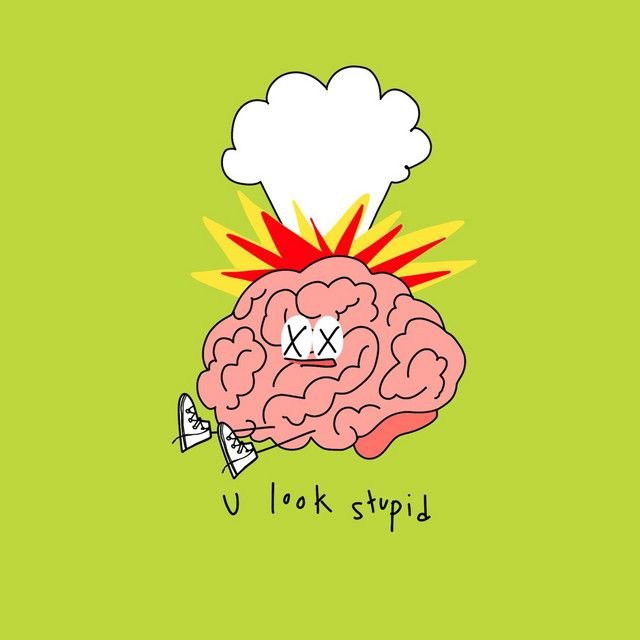
u look stupid by LØLØ
LØLØ’s “u look stupid” is not a sad breakup ballad. It is a sneer, a rant, and a power move. The meaning of u look stupid LØLØ comes through in how the song turns disgust into humor. Instead of begging for closure, they make the other person look small.
"u look stupid" - LØLØ
Boys got me blue
You get me off but I ain't fucking with you
Loading lyrics...
Unable to load lyrics
We're unable to display the lyrics at this time. Please try again later.
That shift matters. The song is less about heartbreak than about refusing to be impressed by someone who treated them badly. It sounds petty on purpose, and that is part of its appeal.
The Core Message Behind the Insult
At its heart, the song is about taking back control after a toxic connection. The speaker lists reasons this person is not worth missing: bad behavior, weak character, and a whole friend group that only makes him look worse. When they say you look stupid
, the phrase is not just an insult. It is a verdict.
Interpretation: The song suggests that ridicule can be a defense mechanism. By laughing at him, they stop giving him emotional authority. That is why the hook feels so sharp: it replaces hurt with dismissal.
There is also a gender angle. One of the song’s strongest ideas comes when it calls out boys who insult girls while still expecting access to them. In paraphrase, the song says some men label women as disposable and then act entitled anyway. That makes the track feel bigger than one failed romance.

Watch the official u look stupid
music video
Who Is Speaking, and Why So Harshly?
The narrator speaks from a place of fresh anger. They are not trying to sound fair or balanced. They are trying to sound done. Lines like I hate your friends
and you got shitty tattoos
pile up into a cartoon of total rejection.
That exaggerated style is important. The song does not read like a careful diary entry. It reads like the emotional aftermath of being grossed out by someone they once let close. The insults keep coming because the speaker wants to erase any leftover attraction.
The Roses Twist Tells the Story
The opening flips a familiar sweet image into something sour. “Roses” usually suggest romance, but here the image is corrupted. Early on, the song moves from roses are red
to a world where romance feels dead, cheap, and annoying.
Interpretation: That nursery-rhyme setup makes the bitterness feel playful. It is almost childish in rhythm, but the content is openly adult and angry. That clash gives the song its personality.
How the Chorus Turns Anger Into Power
The chorus is simple, but that simplicity is the point. It keeps coming back to stupid friends
and the fact that no one’s listening
. In other words, the target is not just mean; he is irrelevant.
This is what gives the song its bite. Many breakup songs ask listeners to witness pain. This one asks listeners to join the eye roll. It invites a crowd reaction, almost like a chant at a live show.
You look stupid when
you’re with your stupid friends
no one’s listening
That brief section captures the song’s main move: the guy only seems powerful in his own little circle, and even there, the speaker sees through him.
Sound First, Then Meaning
LØLØ is a Canadian singer-songwriter from Toronto whose work often blends pop, pop-rock, and pop-punk energy, according to widely cited career summaries and press coverage summarized in public discographies and artist bios. That background helps explain why “u look stupid” lands so well sonically. It is built to feel catchy before it feels cruel.
The production supports the message through speed, bounce, and punch. The guitars hit hard enough to suggest pop-punk attitude, while the vocal delivery keeps things sharp and sarcastic rather than truly heavy. The song does not wallow. It snaps.
Interpretation: That upbeat attack turns anger into a form of entertainment. Listeners are not trapped in sadness; they are pushed toward release. The track becomes a vent song, the kind meant for singing loudly in the car or with friends.
This also fits LØLØ’s broader artistic lane. Their music has often been described as candid and emotionally direct, with songs about breakups, toxic dynamics, and messy feelings. “u look stupid” is one of the clearest examples of that plainspoken style.
The Bigger Theme: Mockery as Self-Respect
What makes the meaning of u look stupid LØLØ memorable is that the song treats contempt as a boundary. The speaker is not trying to reform this person. They are not even trying to explain everything. They are simply saying: you are not impressive, and I am not interested.
That is why the insults keep circling back to image. His kissing is bad. His tattoos are bad. His friends are bad. His talk is empty. All of these details build one larger claim: he thinks he looks cool, but he does not.
Alternate reading: Some listeners may hear the song as intentionally over-the-top, almost parodying post-breakup rage. In that reading, the extremity is part of the joke. Even then, the emotional center stays the same: they are done giving this guy any mystique.
Why the Song Connects
The track connects because it captures a familiar moment: when attraction flips into embarrassment. Many people know the feeling of looking back at someone and wondering what they ever saw. This song puts that feeling in the bluntest terms possible.
It also works because it is easy to chant and easy to understand. There is no mystery in its language. LØLØ aims for instant emotional clarity, and that directness is one reason their songs have found a strong online audience over time.
Final Take on the Song’s Meaning
In the end, “u look stupid” is about stripping a toxic person of their cool factor. It turns a breakup-style complaint into a public roast, and that is exactly why it feels cathartic. The song’s real victory is not that the speaker is still angry. It is that they are no longer impressed.
Disclaimer: This interpretation is based on the released lyrics, performance style, and publicly available artist context. Like most pop songs, it can support more than one valid reading.








