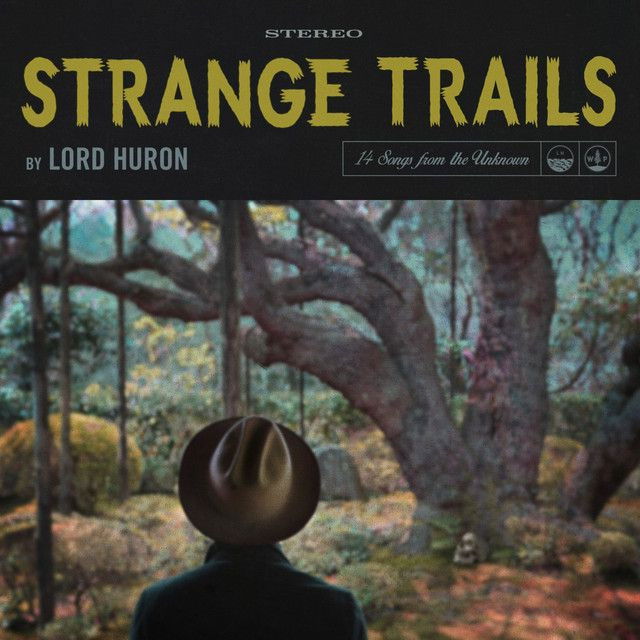
The Yawning Grave by Lord Huron
A hushed threat rides through this song like wind across a desert. Lord Huron turns a simple warning into frontier folklore, where the land itself speaks and judgment is coming. It’s eerie, enchanting, and oddly comforting in its moral clarity.
"The Yawning Grave" - Lord Huron
I speak to birds and tell them where to fly
I sing the songs that you hear on the breeze
Loading lyrics...
Unable to load lyrics
We're unable to display the lyrics at this time. Please try again later.
A Warning From the Wild
The core meaning of The Yawning Grave centers on consequence. The narrator sounds like a force of Nature addressing someone who ignored clear signs. That person is about to face the cost of their choices. For listeners searching the meaning of The Yawning Grave Lord Huron, think of it as a fable: if you defy the laws of the wild—moral or natural—those laws will answer.
The opening images paint the narrator as more-than-human: I know the rain
and I speak to birds
. These aren’t boasts; they establish power and omniscience. The addressee can’t bargain with a voice that literally writes “the names of the rocks and the trees.”
Watch the official The Yawning Grave
music video
Who’s Speaking—and Who’s in Trouble
The song is in first person, but the story orbits a second person: a “you” who was warned as a child and taught how to read omens. The narrator gave tools—melodies, poems, signs—and was ignored. That’s why the tone shifts to rebuke: Oh, you fool
and there are rules
.
Interpretation: the speaker is a personification of the natural order, a guardian spirit, or even Fate itself. The “you” is anyone who confuses freedom with lawlessness—someone who treats the wild like a playground instead of a power.
The Reckoning: A Simple Timeline
- Early life: The addressee learns warnings and songs, then forgets them.
- Ignored omens: The world keeps sending signs the addressee won’t read.
- The call-out: The narrator names the offense—crossing the rules of the wild.
- Payback: The clock runs out;
the reckoning begins
.
This is not a twisty plot. It’s a straight ride to judgment, which gives the song its fable-like strength.
What the Hook Really Says
The chorus reframes the verses from memory to mandate. The scolding—Oh, you fool
—isn’t just insult; it’s a legal summons. When the narrator says there are rules
, they mean universal laws, not petty codes. And when they announce the reckoning begins
, it’s not hyperbole. It’s the sound of boots on the porch at dusk.
The most chilling line points to the outcome: open the yawning grave
. Interpretation: the addressee will dig their own pit—by action, pride, or simple neglect—and fall into it. The grave “yawns” because it’s always waiting; the wild can be patient.
Symbols and Motifs That Do the Heavy Lifting
- Rain, birds, breeze: Knowledge of weather and creatures signals a narrator fused with the ecosystem. Nature isn’t scenery; it’s judge and witness.
- Names of rocks and trees: Naming implies dominion. The speaker not only lives in the world; they authored its map.
- Childhood warnings: Folktales often start young. Ignore early wisdom, and the bill comes due later.
- Darkness: Nightfall is the hour of settling accounts in western myth. The coming dark equals the coming verdict.
- The grave: Beyond death, the image suggests a void we create through hubris—spiritual or ecological.
Together, these motifs make the song feel like an American ghost story told around a fire, more moral than macabre.
How the Sound Carries the Story
Lord Huron’s palette—reverb-soaked guitars, galloping drums, and haunted harmonies—creates a frontier shimmer that feels both vast and intimate. The tempo stays steady, like a rider keeping pace on a long chase. Echo and layered vocals widen the frame, as if the landscape itself is singing.
Production-wise, the band blends indie rock with folk-western touches that match the tale’s mythic tone. Ben Schneider’s vocal sits a step back in the mix at times, letting the atmosphere loom. That distance makes the narrator feel even more elemental, like a wind that doesn’t need to shout to be heard.
Alternate Readings Worth Considering
- Ecological fable: The speaker is the environment warning a human who treats nature as disposable. Ignoring signs leads to collapse—the “grave” we dig for ourselves.
- Inner morality tale: The voice is a conscience or higher self. Childhood teachings were ignored, so consequences arrive not as punishment but as natural outcome.
Both views fit the imagery and the album’s larger mythmaking, which often frames personal stakes as frontier legends.
Takeaway: Why It Sticks
The song endures because it restores awe. It reminds listeners that freedom without respect becomes ruin. In Lord Huron’s world, laws aren’t written on paper; they’re etched in wind and stone. Break them, and the land will remember.
Disclaimer: Song interpretations are subjective. This analysis reflects one reading based on lyrics, theme, and sound, and may differ from the artist’s intent.








