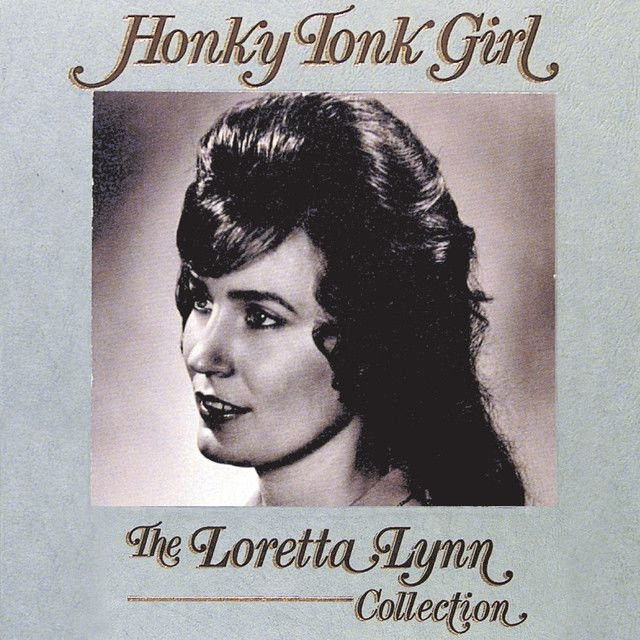
Why Loretta Lynn's Toughest Warning Still Hits
A country hit built on a hard boundary
The meaning of Don't Come Home A-Drinkin' (With Lovin' On Your Mind) Loretta Lynn starts with a simple but sharp message: the singer is done accepting a partner who ignores them, goes out drinking, then comes back expecting affection. This is not a sad plea. It is a rule.
"Don't Come Home A-Drinkin' (With Lovin' On Your Mind)" - Loretta Lynn
You'd been out with all the boys and you ended up half tight
But liquor and love they just don't mix leave the bottle or me behind
Loading lyrics...
Unable to load lyrics
We're unable to display the lyrics at this time. Please try again later.
Loretta Lynn turns a domestic scene into a statement of self-respect. The narrator is not asking for romance. They are demanding basic care, honesty, and presence. When that does not happen, they draw a line. The title phrase, don't come home a-drinkin'
, is less about alcohol alone than about the attitude that comes with it.
Released in 1966 as the title track of her Decca album, the song became a major milestone for Lynn. According to the Country Music Hall of Fame, it was her first No. 1 country single, and its success helped define her public image as a singer who voiced women’s frustrations plainly and fearlessly.

Watch the official Don't Come Home A-Drinkin' (With Lovin' On Your Mind)
music video
What the song is really saying
On the surface, the plot is direct. A husband or partner has been out with friends, comes home drunk, and expects warmth on demand. The narrator refuses. But the song goes further than that.
They explain that this is part of a pattern. The partner is always gone
, never takes them anywhere, and leaves them lying awake alone. By the time he returns, his late-night affection feels selfish rather than loving. The issue is not desire itself. The issue is a one-sided relationship.
Interpretation: the song is about emotional labor before that phrase was common. The narrator has been expected to wait, forgive, and be available. Lynn flips that script. She makes it clear that intimacy without respect is not intimacy at all.
The verses tell a story of loneliness
Night after night, the same cycle
The song’s details matter because they show routine, not a one-time mistake. First, the partner assumes they will be waiting up. Then he returns half tight
, a plainspoken way of saying drunk. After that, he wants closeness without addressing the hurt he caused.
That is why the song feels so firm. The narrator has reached the end of their patience. They remember crying alone and being left behind while the partner spends time elsewhere. The pain is not dramatic or poetic. It is ordinary, which makes it sting more.
leave the bottle or me behind
stay out there on the town
That short turn in the lyric gives the relationship its stakes. The narrator is saying he cannot keep both his careless nightlife and her affection. He must choose.
Why the chorus lands so hard
The chorus repeats the title idea, but repetition here is power. Each return to with lovin' on your mind
sharpens the insult. The partner is not coming home with tenderness, apology, or renewed commitment. He is coming home wanting something for himself.
Lynn and co-writer Peggy Sue Wells make the hook memorable because it sounds conversational. It feels like something a real person would say at a kitchen table after too many disappointing nights. That everyday language is one reason the song connected so strongly with listeners.
Interpretation: the chorus is not anti-love. It is anti-performance. It rejects the fake version of love that appears only when the partner wants comfort after neglect.
Loretta Lynn's voice gave the song extra force
This song fits Loretta Lynn’s larger body of work, where she often sang from women’s points of view with unusual directness. Songs like “You Ain’t Woman Enough” and later “The Pill” also challenged the polite limits country music often placed on female singers.
What made Lynn special was not just bold subject matter. It was her delivery. She sang these lines without sounding theatrical. Her voice is steady, clipped, and calm, which makes the warning more believable. She does not sound out of control. She sounds finished with excuses.
That matters to the meaning of Don't Come Home A-Drinkin' (With Lovin' On Your Mind) Loretta Lynn because the performance keeps the song from turning into melodrama. The narrator is not exploding. They are setting terms.
How the sound supports the message
The production stays rooted in classic 1960s country: a walking rhythm, crisp drums, bright guitar, and the clean forward motion associated with Nashville recordings of the era. Nothing is too lush or dreamy. The arrangement leaves room for the lyric to lead.
That musical restraint supports the song’s emotional stance. The beat moves like a person standing their ground. The melody is catchy, but it does not soften the message. Instead, it helps the warning stick.
There is also a useful contrast at work. The music is lively enough to sound almost social, even barroom-adjacent, while the lyric rejects what that nightlife has done to the relationship. In other words, the sound puts listeners near the world the song criticizes.
Why it mattered then and still matters now
In the 1960s, a mainstream country song in which a woman openly denied a man access and called out his behavior had real bite. It spoke to listeners who knew the routine but rarely heard it named so clearly on the radio.
Today, the song still feels modern because its core issue has not changed: affection is not owed after neglect. Respect, attention, and partnership matter. Lynn turns that truth into a hook people remember.
Final reading
The meaning of Don't Come Home A-Drinkin' (With Lovin' On Your Mind) Loretta Lynn is a demand for dignity inside a troubled relationship. It uses plain language, a memorable chorus, and a no-nonsense performance to show a woman refusing to be treated as an afterthought.
That is why the song lasts. It is catchy, but it is also corrective. It tells a partner that love cannot be switched on only when convenient.
Disclaimer: This interpretation is based on the lyrics, recording context, and public history around the song. As with any art, listeners may hear additional meanings.








