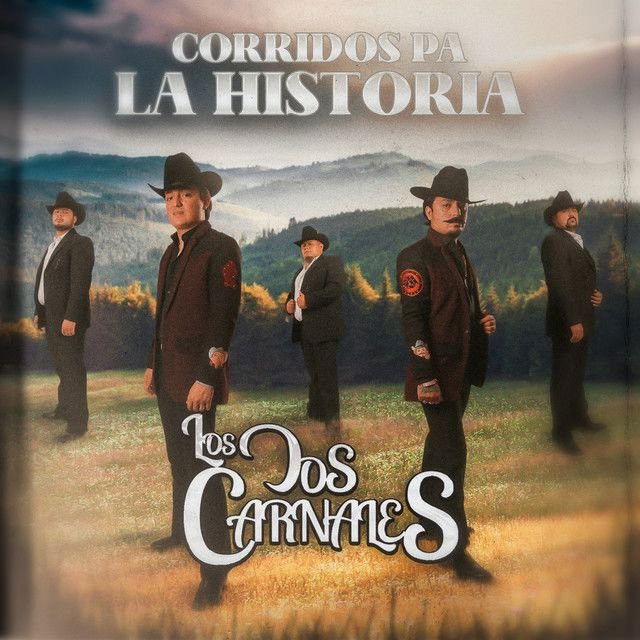
Why “El Abuelo” Hits So Hard
The meaning of El Abuelo Los Dos Carnales starts with something simple and powerful: gratitude. This is a tribute song to a grandfather, but it does more than praise an elder. It turns everyday memories into proof of love.
"El Abuelo" - Los Dos Carnales
Un saludo de apretón, aunque tiene manos cansadas
Trabajar se le hizo vicio
Loading lyrics...
Unable to load lyrics
We're unable to display the lyrics at this time. Please try again later.
Written by Imanol Quezada and performed by Los Dos Carnales, the song honors a working man whose value comes from effort, tenderness, and family example. The singer does not describe a distant hero. They describe someone with tired hands, old stories, and a lasting presence in the home. That is why the song feels so personal.
A Grandfather Made Real, Not Idealized
From the first verse, the grandfather is shown through touch and habit. He welcomes the singer with a kiss and a firm greeting, even though he has worn-out hands. The detail about labor matters. When the song mentions manos cansadas
and his trade as a bricklayer, it connects love with sacrifice.
This grandfather is not respected because he is perfect. He is respected because he worked hard for years and still led with warmth. The song makes room for both authority and affection. He gives advice, but he also reflects love in his eyes.
That balance is key to the song’s emotional power. In many family songs, older relatives become symbols. Here, he stays human.
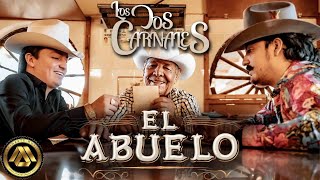
Watch the official El Abuelo
music video
Memory as the Song’s True Engine
The track moves by remembering. Instead of one dramatic event, it stacks small moments from childhood until they form a life story. Being taken to the cotton fields, hearing him hum, watching him work, and even getting a foot caught by a bicycle all become signs of closeness.
These are not polished memories. They are lived-in memories. That is why the line about wanting to stay morrillo
lands so strongly. The singer is not just missing childhood. They are missing direct access to the grandfather at his strongest and most present.
Ser tu nietola aventura más perfecta
That brief idea sums up the song’s heart. Being his grandson is described as a full experience, not just a family fact. The relationship shaped play, safety, and identity.
How the Verses Build the Meaning
The song’s story unfolds in clear emotional steps:
- It introduces the grandfather as a worker and guide.
- It shifts into advice passed down from one generation to the next.
- It turns to childhood scenes filled with joy and rough affection.
- It widens the frame to include the grandmother, daughters, and the rest of the family.
That last move is important. The grandfather is not only remembered as an individual. He is shown through what he built: a family line. When Los Dos Carnales sing as grandchildren, they suggest that his real legacy is visible in the people around him.
The Family Portrait Gets Bigger
Midway through, the song reassures the grandfather and mentions the grandmother with tenderness. It says, in effect, that his life produced love, children, and respect. This broadens the tribute from nostalgia to thanksgiving.
The line about boots and a hat also matters. It presents the grandfather with pride and style, someone the family still wants to see standing tall. When the singer says siempre quédate conmigo
, the request sounds emotional, but it also carries a deeper fear: time moves on, and loved ones do not stay forever.
Interpretation: this is where the song quietly brushes against mortality. It never becomes dark or tragic, yet its urgency comes from knowing that presence is fragile.
Why the Sound Feels So Warm
Los Dos Carnales are known for a rootsy norteño style centered on direct singing and traditional instrumentation, a sound that helped define releases like their catalog. In “El Abuelo,” that style matters because it keeps the tribute grounded.
Rather than using dramatic studio effects, the arrangement lets the emotion come through melody, phrasing, and the steady pull of regional Mexican rhythm. The performance feels conversational, almost like a family gathering turned into song. That fits the lyric content perfectly.
The production also avoids over-sentimentality. A song like this could easily become too glossy. Instead, the earthy sound supports the image of a man who worked with his hands. The music and story match each other.
Artist Context Helps Explain the Emotion
Los Dos Carnales built their audience through songs that value loyalty, working-class life, and family roots, themes widely noted in coverage of the group by outlets such as Billboard. “El Abuelo” fits that identity well.
Imanol Quezada’s writing here is especially effective because it stays specific. He does not just say the grandfather was loved. He shows how that love looked in daily life: greetings, stories, work, fields, and simple play. Those details make the emotion believable.
For U.S. listeners, especially those from Mexican or Mexican American families, the song can feel deeply familiar. But its appeal is wider than that. Anyone who has loved a grandparent can hear its message: ordinary acts become sacred after enough time passes.
The Core Meaning in One Line
So what is the meaning of El Abuelo Los Dos Carnales? It is a song about honoring a grandfather while he is still present, not only after loss. It celebrates labor, memory, and inherited love.
Interpretation: beneath the gratitude, the song also expresses a wish they cannot fulfill. They want time to stop. They want childhood back. They want one beloved elder to remain close forever.
That is why the song stays with people. It knows that the strongest family bonds are often built from humble things, and it treats those things as priceless.
Final Thought
“El Abuelo” works because it praises a grandfather without turning him into myth. They remember his work, his advice, his body, his humor, and the home he helped create. In that way, the song becomes both a thank-you and a keepsake.
Disclaimer: This interpretation is based on the lyrics, performance, and available artist context. As with any song, listeners may hear meanings that differ from this reading.








