Why "El Corrido de Panchito" Feels So Personal
The meaning of El Corrido de Panchito Los Dos Carnales starts with respect. This is not a heartbreak song or a mystery song. It is a character sketch in corrido form, built to honor a man named Panchito by showing how people around him see him and how he sees himself.
"El Corrido de Panchito" - Los Dos Carnales
Personaje muy querido, personaje de respeto
Es panchito servicial hombre completo
Loading lyrics...
Unable to load lyrics
We're unable to display the lyrics at this time. Please try again later.
From the opening, the singer frames Panchito as someone admired in public and trusted in private. He is described as helpful, polite, athletic, loyal, and grounded. Instead of one big dramatic event, the song builds meaning through small details: his manners with women, his bond with friends, his work ethic, and his gratitude toward family.
A Corrido Built on Reputation
Traditional corridos often introduce a figure and then explain why that person matters. That is exactly what happens here. Panchito is presented as a personaje de respeto
, which signals that the song is less about fantasy than about social standing. Respect has to be earned.
The next lines fill in that reputation. They describe him as servicial
and as a complete man, meaning someone dependable in different parts of life. He can move through the neighborhood, help his people, and still carry himself with courtesy. In plain terms, the song says his name means something because his actions back it up.
Watch the official El Corrido de Panchito
music video
The Story Hides in the Traits
Rather than telling one straight plot, the lyrics move through a list of qualities and relationships. That structure matters. It mirrors how people in a community talk about someone they admire: not by giving a full biography, but by naming the signs that prove character.
A few key ideas drive that portrait:
- Service and loyalty: He helps others and does not disappear when responsibility arrives.
- Humility: He works hard without acting superior.
- Courage: He does not scare easily and does not fold under pressure.
- Family gratitude: He gives thanks to his mother and father.
- Barrio identity: He carries lessons learned from the neighborhood.
When the song mentions escuela de la vida
, it points to education outside a classroom. The line suggests hard-earned wisdom, street sense, and emotional survival. That phrase is central to the song’s meaning because it explains why Panchito sounds mature without sounding polished or fake.
Loyalty Is the Real Heart of the Song
The deepest emotional thread is not toughness. It is loyalty. Panchito stays committed to friends, to a team, and to the people who raised him. Even when the lyrics mention pressure or conflict, they are there to prove steadiness, not aggression.
That is why lines about not backing down matter. When he says no me rajo
, the point is not empty bravado. It is a promise that he will hold his ground and do his part. In corridos, that kind of statement often marks a moral code: someone who does not abandon work, friendship, or family when life gets difficult.
The song also names specific people, including Poncho, Fantasma, and family members. Factually, those names place Panchito inside a network of relationships. Interpretation: they also show that identity here is communal. He is not meaningful because he stands alone; he is meaningful because others can count on him.
Humility Keeps the Song Grounded
One of the strongest parts of the song is how often it rejects arrogance. Panchito may be respected, but he does not brag. He says he is not just a gofer, values his work, and does not like lowering himself by mixing with the wrong crowd.
That idea reaches a peak late in the lyric, where he says he is not flashy and is instead courteous. In other words, the song separates real status from performance. A loud image is not the same as honor.
Nunca me verán portando
un estilo presumido
Those brief lines sum up a lot. They tell listeners that restraint is part of Panchito’s appeal. He does not need to advertise himself because his conduct already speaks for him.
Family, Barrio, and Masculinity
The song’s version of masculinity is traditional, but not only in a macho sense. It values strength, yes, yet it also values tenderness and gratitude. Panchito is kind to women, loyal to friends, and openly thankful to his parents. That balance gives the corrido warmth.
The mention of his mother is especially important. It softens the harder edges of the song and reminds listeners that the man being praised did not build himself alone. The barrio taught him survival, but family taught him belonging.
Interpretation: this is why the corrido feels affectionate rather than intimidating. It celebrates a man who can be firm without becoming cruel, proud without becoming vain.
How Los Dos Carnales’ Sound Supports the Message
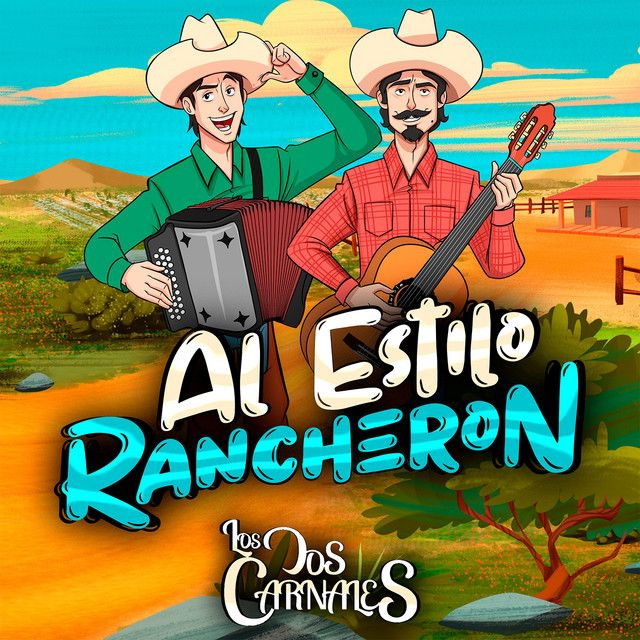
Los Dos Carnales are known for a rootsy norteño style centered on direct singing and live-feeling instrumentation, especially bajo quinto and accordion, as heard across their catalog and public profiles from their label, AfinArte Music and coverage by Billboard. That style fits this song well because it makes the tribute feel local and sincere rather than cinematic.
A corrido like this works best when the arrangement stays close to the voice. The likely effect is intimacy: the listener feels like they are hearing community testimony, not just a polished studio performance. The steady rhythm also matches the lyric’s focus on consistency. Panchito is not chaotic, and the music should not be either.
Final Take on the Meaning
The meaning of El Corrido de Panchito Los Dos Carnales is the making of a reputation. The song honors a man whose worth comes from loyalty, humility, work, and gratitude. It turns everyday virtues into something worthy of a corrido.
More than anything, it argues that respect is built slowly. Panchito matters because he shows up, stays grounded, and remembers where he came from.
Disclaimer: This interpretation is based on the lyrics provided, the corrido tradition, and publicly known artist context. As with any song, some meanings remain open to listener interpretation.







