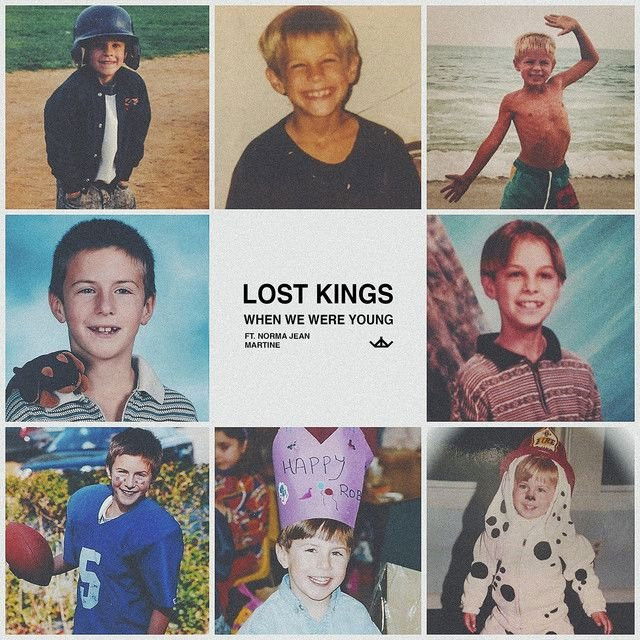
Why "When We Were Young" Hits So Hard
The meaning of When We Were Young Lost Kings, Norma Jean Martine centers on a feeling many listeners know well: the wish to step outside adult pressure and return to a time that felt freer, safer, and more open. This is not just a song about age. It is a song about emotional weight, memory, and the way love can become tied to a vanished version of the self.
"When We Were Young" - Lost Kings ft. Norma Jean Martine
It's all in my head
I can feel it
Loading lyrics...
Unable to load lyrics
We're unable to display the lyrics at this time. Please try again later.
Lost Kings are an American DJ and production duo known for melodic dance-pop, while Norma Jean Martine is a singer-songwriter whose writing often blends intimacy and polish. According to publicly available credits, the song was written by Nick Shanholtz, Nikolai Potthoff, Norma Jean Martine, and Robert Gainley Abisi. Those details help frame the track as a pop-EDM collaboration built for both feeling and release.
The Heart of the Song: Escaping the Present
At its core, the song opens in mental confusion. The singer says reality feels blurred, almost dreamlike, using phrases like This isn't real
and all in my head
. Before those lines can sound purely romantic, they also suggest stress, disorientation, or emotional overload.
That matters because the chorus does not simply celebrate the past. It pleads for it. When the singer asks to go back to when we were young
, they are not making a casual memory album. They are reaching for relief.
Interpretation: The song suggests that growing older has brought self-consciousness, pressure, and the loss of emotional ease. Youth represents a state where mistakes did not feel permanent and love felt bigger than fear.

Watch the official When We Were Young
music video
How the Chorus Turns Memory Into Meaning
The chorus is the song’s emotional center because it ties youth to both romance and freedom. The key idea is that back then, they did not worry so much if they failed. They had the sense that life was wide open, so they could get absorbed in each other without hearing the clock tick.
That is why the line about time not catching them is so important. The song imagines a period when time felt slow, or at least less threatening. In adulthood, time becomes visible: deadlines, consequences, identity, and the sense that innocence has an ending.
Can we go back when we were young
And didn't care if we messed up?
This brief refrain carries the song’s whole emotional argument. It is not only about age. It is about the loss of fearlessness.
The Images That Make the Song Deeper
One of the strongest verses introduces symbolic images rather than direct storytelling. The mention of paper crowns
suggests fragile status, fake power, or the roles people perform. Crowns sound grand, but paper tears easily. That contrast hints that adult ideas of success may be flimsy.
The lines about feathers and hollow bones deepen that feeling. They create an image of lightness, flight, and weakness all at once. The body here does not sound grounded. It sounds delicate, almost temporary.
Then the song lands on one of its saddest insights: The more I'm learning
, the less certain the speaker feels. That reverses the usual idea that growing up brings confidence. Instead, knowledge makes the world bigger and the self smaller.
Interpretation: The song is not anti-growth. It is honest about growth. Maturity can bring wisdom, but it can also bring doubt, ego, and the painful understanding that life is more complicated than it once seemed.
A Relationship Song Hiding Inside a Coming-of-Age Song
The track works on two levels at once.
- It is about youth itself.
- It is about a relationship tied to youth.
The lovers in the song seem to represent a season of life, not just two individuals. They got lost in each other because the future still seemed endless. That emotional fusion is common in memories of first love, where the person and the era become inseparable.
So when the singer wants to go back, they may be missing both the partner and the version of themselves that existed in that relationship.
Why the Sound Feels Like a Flashback
The production helps sell that meaning. Lost Kings build the track with a polished dance-pop structure: airy synths, a clean drop in energy before the chorus, and a wide, glowing lift when the hook arrives. The sound is modern, but it is also soft around the edges, which gives it a reflective quality instead of a pure club feel.
Norma Jean Martine’s vocal also matters. She does not oversing the verses. There is restraint in the delivery, which makes the longing feel inward before the chorus opens up emotionally. That contrast mirrors the lyrics: private confusion, then public release.
Even the repeated for a second, for a minute
has a production purpose. The loop feels hypnotic, like replaying a memory until it almost becomes real again.
Why Listeners Connect With It
The song resonates because it does not pretend the past was perfect. Instead, it focuses on a specific emotional truth: many people miss who they were before they became guarded. That is a powerful difference.
Listeners in the United States especially tend to connect with songs that mix nostalgia and self-discovery, and this track fits that lane well. It offers a danceable surface, but underneath it asks a serious question: what exactly did growing up cost?
Final Take on the Meaning
The meaning of When We Were Young Lost Kings, Norma Jean Martine is about more than wanting to be younger. It is about longing for a time when love felt simple, identity felt less heavy, and time did not seem to be closing in.
Interpretation: The song’s deepest ache is not just for the past. It is for lost emotional freedom.
That is why the track lingers. They turn nostalgia into something more specific and more painful: the realization that people do not only miss old days. They miss the selves who lived them.
Disclaimer: This interpretation is based on the lyrics, vocal delivery, and production choices, and other listeners may hear the song differently.









