Why ‘Walk On the Wild Side’ Still Provokes
Walk On the Wild Side sounds smooth, playful, and easy to like. But the meaning of Walk On the Wild Side Lou Reed runs deeper than its relaxed groove. The song introduces people living outside polite American norms and treats them with unusual calm.
"Walk On the Wild Side" - Lou Reed
Hitch-hiked her way across the U.S.A.
Plucked her eyebrows on the way
Loading lyrics...
Unable to load lyrics
We're unable to display the lyrics at this time. Please try again later.
That balance is why it still matters. Lou Reed turns taboo subjects into everyday scenes, asking listeners to hear real people instead of simple scandal.
A Street-Level Portrait of Outsiders
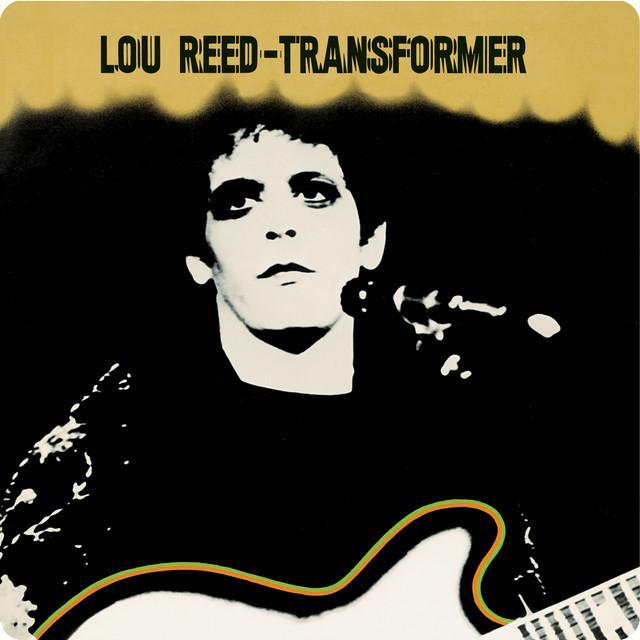
At its core, the song is a set of character sketches. Reed wrote it for his 1972 album Transformer, produced by David Bowie and Mick Ronson. The track is widely linked to figures from Andy Warhol’s Factory scene, a creative world Reed had already brushed against in the Velvet Underground era.
Rather than tell one story, the song moves through several lives. Each verse gives a few sharp details, then steps back. That style matters. Reed does not explain these people as problems to solve; he presents them as part of New York’s social landscape.
Interpretation: the song is about freedom, but not a simple kind. Its people chase reinvention, pleasure, money, attention, or survival. The famous refrain, take a walk on the wild side
, feels both welcoming and risky.
Watch the official Walk On the Wild Side
music video
The People in the Verses Matter More Than Shock
The names and details are not random. Holly points to Holly Woodlawn, and Candy refers to Candy Darling. Little Joe is usually tied to Joe Dallesandro, while Jackie is often read as Jackie Curtis. Sugar Plum Fairy likely refers to actor Joe Campbell, whose nickname Reed had used before.
These portraits are brief, but they are vivid. A line like he was a she
signals gender transition in blunt, plain language. Another phrase, everybody's darlin'
, suggests charisma and sexual labor at once.
What makes the writing interesting is its tone. Reed avoids moral panic. He reports the details almost like a journalist, which gives the song its unusual power. For a mainstream hit in the early 1970s, that plainness was daring.
The Chorus Turns Curiosity Into Complicity
The hook is one reason the song lasts. Reed keeps returning to take a walk on the wild side
, and each return changes the meaning slightly.
At first, it sounds like an invitation. Then it starts to feel like a test. By the end, it can even sound like society’s label for anyone who crosses boundaries of gender, sex, race, class, or respectability.
Interpretation: the chorus also pulls the listener in. They are not just hearing about outsiders; they are being asked to join the walk, even if only for a song. That move turns curiosity into participation.
How the Sound Softens the Edge
A big part of the song’s impact is musical. The arrangement is famously understated: a warm electric bass line, gentle acoustic guitar, light drums, saxophone, and the airy backing vocals often remembered as do do-do
.
That softness is important. The music does not warn the listener that the material is “dangerous.” Instead, it glides. Herbie Flowers’ bass part, including the doubled upright and electric feel often discussed in accounts of the recording, helps create that smooth motion, while the sax gives the track a late-night city glow.
This contrast is central to the meaning of Walk On the Wild Side Lou Reed. The sound makes transgression feel ordinary. Reed suggests that what mainstream culture calls shocking may simply be another part of urban life.
Glamour, Hustle, and the Cost of Reinvention
Even though the song is often heard as cool and liberated, it is not purely celebratory. Several verses hint at labor, danger, and self-invention under pressure. The city offers possibility, but it also demands performance.
One of the clearest examples comes in the quick rise-and-fall of Jackie’s verse:
Thought she was James Dean for a day
Then I guess she had to crash
Those lines compress fantasy and collapse into two short images. Elsewhere, references to hustling and movement suggest that reinvention is never free.
Interpretation: Reed sees the underground as both refuge and marketplace. People can become themselves there, but they also have to sell versions of themselves to get by.
Why the Song Was So Unusual in 1972
Part of the song’s reputation comes from timing. It became Reed’s biggest solo hit even though it touched on gender variance, sex work, drugs, and queer nightlife. Radio often played it because the mellow sound made the content easier to miss on first listen.
That mismatch between form and subject helped the song enter the mainstream. It also explains why it still sparks debate. Some hear empathy, others hear distance, and some hear both at once.
A Lasting Reading
The best way to hear the song is as a cool-headed portrait of people usually pushed to the margins. Reed neither cleans them up nor turns them into monsters. He lets them exist in public.
That is why the song still lands. It offers a map of desire, performance, and survival disguised as an easy stroll.
Disclaimer: This interpretation is based on widely discussed lyrics, recording context, and cultural history. As with any song, meaning can remain open to more than one valid reading.









