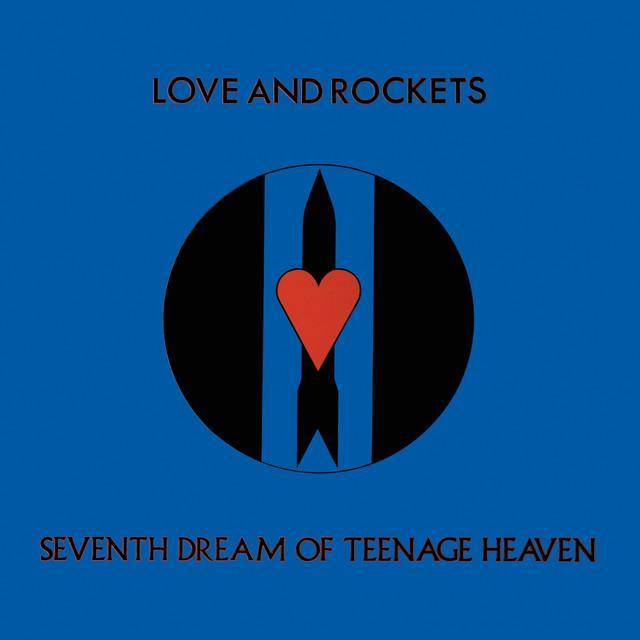
Haunted When the Minutes Drag by Love and Rockets
The meaning of Haunted When the Minutes Drag Love and Rockets comes down to one painful idea: memory can feel more real than the present. In this song, they turn heartbreak into something almost physical. A lost lover is gone, but their presence still fills the room, the mirror, and the singer's mind.
"Haunted When the Minutes Drag" - Love and Rockets
Would be haunted
I touch the clothes you left behind
Loading lyrics...
Unable to load lyrics
We're unable to display the lyrics at this time. Please try again later.
Love and Rockets built much of their early sound from mood, texture, and repetition, and this 1985 track is one of the clearest examples. According to Songfacts, the song appears on Seventh Dream of Teenage Heaven and runs just over eight minutes, making it the album's longest track. The same source also notes Daniel Ash later described it as essentially two songs joined together, with lyric contributions from both Ash and David J.
A breakup song that feels like a ghost story
At the most direct level, the song is about lingering attachment after a relationship ends. The singer does not just remember the other person in a vague way. They notice objects and details left behind, and those details keep the loss alive.
That is why the repeated word haunted
matters so much. It is not used like a Halloween image. It describes how grief sticks to ordinary things. Clothes, hair, eyes, voice, and smile become triggers. The room becomes a museum of intimacy.
Interpretation: the song suggests that heartbreak is hardest not during dramatic moments, but during quiet ones. The lover is absent, yet everything around the singer keeps reintroducing them.

Watch the official Haunted When the Minutes Drag
music video
Two halves, one emotional spiral
One useful piece of context comes from Daniel Ash's Songfacts interview, where he said David J wrote the first half about an art-school crush, while Ash wrote the second half based on a troubled romance in their social circle. That gives the song an unusual structure: it shifts from private fixation to a broader meditation on changing moods and emotional numbness.
The first section is concrete and intimate. The singer touches what was left behind and becomes trapped in visual and physical reminders. Phrases like your clothes
and your eyes
show how memory attaches to specific body-centered images.
The second section opens outward. Instead of focusing only on one missing person, it lists emotional states: happy, sad, nothing, lucky, something. This shift makes the song feel less like a diary entry and more like a map of instability.
Why “when the minutes drag” is the key line
The hook when the minutes drag
explains the song's deepest pain. It is not just about missing someone. It is about how time changes under emotional stress. Waiting becomes heavy. A single minute can feel endless.
That line also connects the song's two halves. In the first half, objects trigger memory. In the second, feelings rise and fall without warning. Time is the thread that ties them together. The singer is stuck inside it.
Interpretation: they may be showing how heartbreak creates a loop. The person is gone, but the mind keeps circling back, stretching each moment and making healing feel impossibly slow.
The imagery turns memory into touch
One of the strongest things about the lyric is how tactile it is. The singer does not just think about the past. They touch, trace, and notice tiny leftovers. Even a brief phrase like left behind
carries emotional weight because it suggests both abandoned objects and emotional abandonment.
There is also a mirror image in the song, which hints at blurred identity. Looking at the absent lover's features becomes a kind of self-hypnosis. Memory and reflection start to merge.
And this is for when you feel happy
And this is for when you feel sad
That short passage matters because it widens the song's meaning. The haunting is no longer tied to one scene. It follows every emotional state, from joy to emptiness.
How the sound carries the meaning
The production is crucial to understanding the song. Love and Rockets came out of the post-Bauhaus world, but they pushed toward psychedelia, dub space, and dreamlike rock textures. On this track, the long runtime, repetitive phrasing, and slow-building arrangement create a suspended feeling that matches the lyric's emotional delay.
Instead of rushing to a climax, the song lingers. That is exactly the point. The groove feels hypnotic, and the repetition of haunted
works like a thought the singer cannot stop thinking. The listener does not simply hear about obsession; they experience its rhythm.
Songfacts also notes that Seventh Dream of Teenage Heaven did not make a huge mainstream splash at first, but later earned strong critical appreciation. That helps explain why this track still stands out. It captures the band's early gift for making atmosphere tell the story.
A few strong interpretations
There are at least two solid ways to read the song:
- Lost-lover reading: It is about mourning a relationship through the material traces someone leaves behind.
- Emotional paralysis reading: It is about depression or numbness, where every feeling state is unstable and time becomes difficult to bear.
These readings support each other rather than compete. The song begins with one person's absence, then expands into a portrait of what absence does to the mind.
Why the song still lingers
The meaning of Haunted When the Minutes Drag Love and Rockets lasts because they understand a simple truth: after love ends, the world does not immediately clear out. It stays crowded with reminders. The song turns that experience into sound, image, and repetition.
For many listeners, that is why it feels so memorable. It does not describe heartbreak as one big dramatic event. It shows how loss settles into everyday life and makes time itself feel haunted.
Disclaimer: This article offers interpretation based on the lyrics, artist commentary, and recorded performance. As with any song, meaning can vary from listener to listener.







