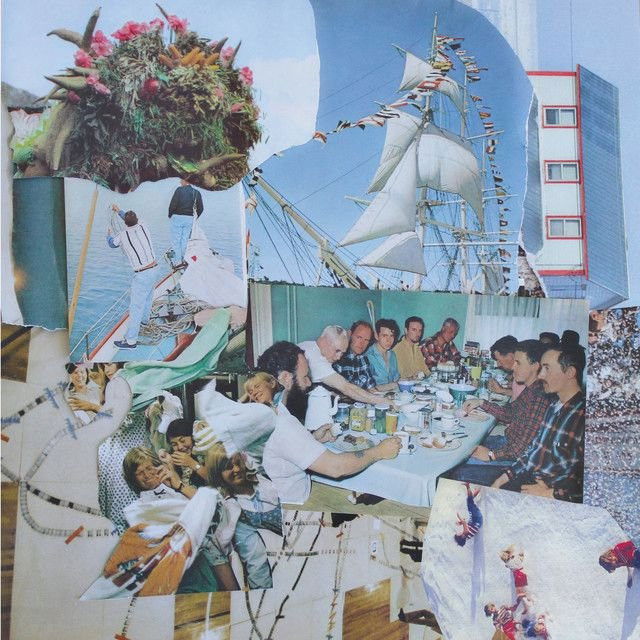
The Not Real Lake by Loving
The meaning of The Not Real Lake Loving centers on blurred perception, mental unrest, and the relief that can come from letting certainty go. Loving do not frame the song like a plot-heavy narrative. Instead, they build a drifting inner monologue where the world feels unstable, language fails, and nature becomes a path back to calm.
"The Not Real Lake" - Loving
The sky I know is gone
Everywhere I've been
Loading lyrics...
Unable to load lyrics
We're unable to display the lyrics at this time. Please try again later.
A Dream Song About Seeing Wrong
From the opening, the song places them in an altered state. Morning arrives, but it does not feel dependable. When they sing that the familiar sky is gone, the point is not simple scenery. It suggests a sudden break in how reality usually makes sense.
That idea grows with the phrase the world is a mirror
. In plain terms, the song implies that what they see outside reflects what is happening inside. If the mind is unsettled, the world looks distorted too. That makes the song feel less like description and more like psychological portraiture.
Interpretation: this is a song about a person waking into estrangement. Their surroundings have not necessarily changed, but their ability to read them clearly has.

Watch the official The Not Real Lake
music video
When Language Stops Working
One of the strongest ideas in the song is that words are not enough. They try to explain what is happening, but nothing is clear
. That confession matters because it turns confusion into the subject itself.
The lyric about confusing a stolen word
with what is unheard
pushes this even further. The song seems to question whether language captures real experience or just covers it. They may be borrowing ready-made words for emotions that are deeper, stranger, or less speakable than ordinary speech can handle.
This is why the writing feels so haunting. Loving are not just describing distress. They are showing how distress breaks the normal link between feeling and explanation.
Forgetting as Mercy, Not Failure
The emotional turning point comes when the song admits, in effect, that forgetting can be a gift. That is a striking idea. Many songs treat memory as sacred, but here release matters more than perfect recall.
When they suggest that forgetting is a blessing, it sounds less like surrender to emptiness and more like relief from overthinking. The song’s speaker has been circling the same mental space, unable to define it. Forgetting offers a way out.
Interpretation: this moment may describe healing. Instead of solving every thought, they begin to loosen their grip on it.
The Storm Inside the Mind
The repeated phrase angry weather in my head
is the song’s clearest emotional image. It turns thought into climate. That matters because weather feels bigger than willpower: it arrives, hangs over everything, and changes how the day feels.
The repetition also mirrors rumination. A troubled thought returns again and again, almost like a chant. But the song does not stay trapped there forever. It introduces a curious line about the gentle hunter
being fed, which can be heard as an image of instinct finally being satisfied. Something restless has found what it needed.
That line is mysterious, but productively so. Loving often leave room around an image, trusting mood and association more than direct explanation.
Why the Woods Matter So Much
Near the end, the song gives a simple instruction: leave the pointless struggle and go walking in the woods
. This is the clearest action in the lyric, and it changes the song’s direction.
Nature appears here as an antidote to mental noise. The woods are not romanticized as magic cure-all. They simply offer distance from the mind’s repetitive fight. Walking until dawn suggests time, movement, and patience. Clarity may not come through argument. It may come through rhythm, air, and waiting.
Go walking in the woods
Until dawn
That small closing image gives the song its emotional landing place: not certainty, but quiet endurance.
How Loving’s Sound Supports the Meaning
Loving, the Canadian indie band formed by David Parry, Jesse Henderson, and Lucas Henderson, are known for soft-focus arrangements and intimate songwriting, as noted by band and release profiles from labels and music outlets such as Last Gang and streaming artist pages. Their sound on songs like this usually blends gentle guitars, light rhythm, and a hazy, close-mic vocal style.
That matters for interpretation. A louder or sharper production might make these lyrics sound dramatic or desperate. Loving instead make them feel suspended, almost half-awake. The arrangement supports the song’s themes of uncertainty and inward drift.
Unlike a power ballad that builds through obvious crescendos, this song works through atmosphere. Its restraint makes the psychological content feel private. The music does not explain the words; it lets them hover.
The Best Way to Read the Song
The best answer to the meaning of The Not Real Lake Loving is that it captures the moment when perception, language, and emotion all stop lining up. The speaker feels estranged from the world, cannot fully explain why, and gradually finds relief not through logic but through release.
There are at least two strong readings:
- Interpretation 1: a portrait of anxiety or mental overload.
- Interpretation 2: a spiritual meditation on ego, silence, and surrender.
Both fit the lyrics because Loving write in images, not fixed explanations. That openness is part of the song’s power.
A Quiet Ending That Stays With Them
What makes the song memorable is its gentleness. It does not conquer confusion. It sits with it, then walks slowly past it. The final movement toward the woods and dawn suggests that peace may be partial, temporary, and still completely real.
That is why the song lingers. It gives listeners a way to hear their own unsettled thoughts without forcing them into one meaning.
Disclaimer: This article offers interpretation based on the lyrics and available artist context. As with many poetic songs, meanings can vary from listener to listener.









