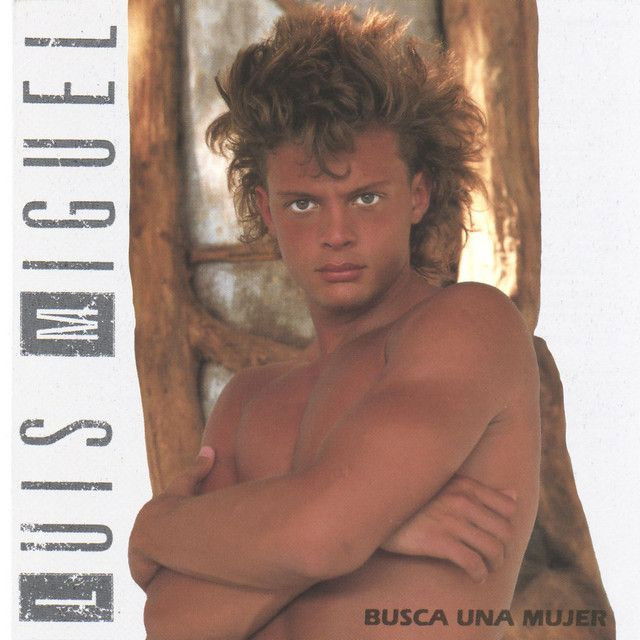
Culpable O No - Miénteme Como Siempre by Luis Miguel
They don’t need to speak Spanish to feel it: a lover pleads for a beautiful lie to soften an ugly truth. In Luis Miguel’s power ballad, the heart chooses comfort over clarity, even as doubt crowds the room.
"Culpable O No - Miénteme Como Siempre" - Luis Miguel
Me han dicho que has estado engañándome
¿Por qué de pronto tienes tantos enemigos?
Loading lyrics...
Unable to load lyrics
We're unable to display the lyrics at this time. Please try again later.
The Meaning Fans Keep Hearing
The core meaning of Culpable o No is the conflict between betrayal and denial. The narrator likely knows the partner has been unfaithful, yet begs for assurance anyway. When they say Miénteme como siempre
, they’re not fooled—they’re asking for a last layer of warmth.
Interpretation: The song explores how people cling to ritual—familiar words, a practiced kiss—because routine can feel safer than honesty. The hook is less about deception than about survival when love is collapsing.

Watch the official Culpable O No - Miénteme Como Siempre
music video
The Meaning of Culpable O No - Miénteme Como Siempre Luis Miguel
The title translates as “Guilty or Not (Lie to Me Like Always).” That courtroom phrasing—Culpable o no
—frames love like a trial. But the verdict doesn’t help. Whether the partner is guilty or not, the pain remains, so the narrator asks for a merciful fiction.
Fact: The song was written by Juan Carlos Calderón López de Arroyabe and appears on Luis Miguel’s 1988 album “Busca Una Mujer.” Calderón’s pop craftsmanship—memorable hooks, elegant harmonic turns—helps explain the track’s longevity.
Who’s Speaking, and to Whom?
The voice is first-person, addressing a partner directly—someone once trusted, now suspected. Early lines show a demand for a defense, echoed in the plea ¿Quién te va a defender?
. Even here, pride and hurt mix: they want the partner to explain, yet they also seem to accept that no defense will undo the wound.
Interpretation: This is a lover who needs control over the ending. If truth will shatter them, they want to choose the terms of the goodbye.
What Happens: The Emotional Timeline
- Rumors arrive and the narrator senses they’re true.
- They ask the partner to defend themselves, but resignation sets in.
- The chorus becomes a coping mechanism:
Por favor miénteme
andNecesito creerte
signal the need to believe, at least for now. - A final turn acknowledges loss and memory. The love story could have been “fantastic,” but the trial—
Culpable o no
—ends without relief.
Each beat returns to the same paradox: they see the truth yet ask for illusion.
Why the Chorus Crushes the Heart
The chorus compresses denial, dependency, and desire into one hook. When they beg Miénteme con un beso
, the kiss becomes both prop and proof. Interpretation: The narrator wants the body to certify a story the mind can’t accept. A kiss that “seems like love” lets them grieve without fully letting go.
Images, Symbols, and Subtext
- Trial language (guilty, defend) turns romance into a case. The lover is judge, jury, and victim.
- The “kiss” is a stand-in for performance. If it’s convincing, the scene can go on a little longer.
- Repetition—of pleas, of phrases—mirrors the cycle of suspicion and reassurance couples know too well.
Interpretation: The song hints at how public rumor corrodes private trust. Even if the partner protested, the chorus shows that the narrator’s need isn’t information—it’s anesthesia.
How the Sound Sells the Story
“Culpable o No” is classic late-’80s Latin pop balladry: plush synth pads, chiming keys, and steady, gated drums. The tempo is unhurried, giving space for dramatic vocal leaps. Luis Miguel starts tender and wounded, then opens into a soaring belt on the hook. That dynamic arc captures the slide from doubt to desperate insistence.
Calderón’s arrangement spotlights the chorus so every return feels inevitable. Subtle modulations and backing-vocal swells add lift, like the narrator forcing hope higher even as reality drags. The production polishes the pain without dulling it.
Alternate Readings That Also Fit
- Interpretation: It’s not just denial; it’s agency. By demanding the lie, the narrator decides how the story ends.
- Interpretation: The partner’s guilt may be beside the point. The title’s “guilty or not” implies that once trust breaks, innocence can’t restore what was lost.
Both angles explain why the song resonates across generations: it names the moment people choose comfort over closure.
Takeaway: A Beautiful Lie, Briefly
The meaning of Culpable O No - Miénteme Como Siempre Luis Miguel circles a hard truth—sometimes love needs a soft landing. The narrator asks for one last, convincing performance so they can step away with a memory that hurts less.
Disclaimer: Song meanings are interpretive and can vary by listener. Facts about credits and release are documented, but thematic readings reflect critical analysis.







