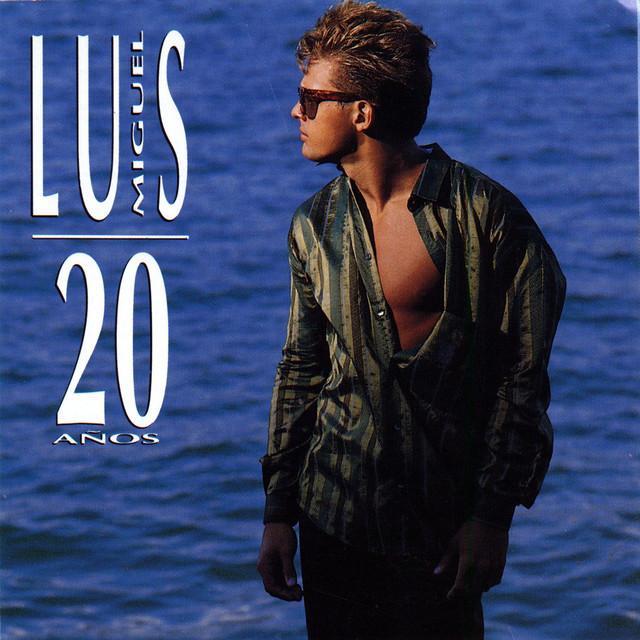
Tengo todo excepto a ti by Luis Miguel
Luis Miguel’s 1990 ballad distills a timeless sting: having everything except the person who matters. For listeners in the U.S. searching for the meaning of Tengo todo excepto a ti Luis Miguel, the song frames unrequited love against success, asking what “having it all” really means when the heart is empty.
"Tengo Todo Excepto a Ti" - Luis Miguel
Se ve que no te voy
Se ve que no me vas
Loading lyrics...
Unable to load lyrics
We're unable to display the lyrics at this time. Please try again later.
What the Heart Says Beneath the Shine
At its core, the song is a paradox. The narrator claims abundance—friends, experiences, even status—yet admits the core lack with the title phrase Tengo todo excepto a ti
. That line recasts wealth as a hollow echo.
Interpretation: He has arrived publicly, but he is stranded privately. The song insists that love is the measure that makes everything else feel real. Without it, even bright days blur into background.

Watch the official Tengo Todo Excepto a Ti
music video
Who Speaks, and Where the Line Is Drawn
The voice is first person, addressing someone who keeps them at arm’s length. The verses hint at a boundary that will not budge: Como a un amigo más
. There’s no villain here—just a mismatch of feelings. The narrator also senses the stalemate, sighing Se ve que no me vas
.
Interpretation: This is the ache of being “almost.” Close enough to talk, too far to touch. The lack of blame is important; it keeps the tone from bitterness and centers the song on longing rather than anger.
How the Story Unfolds (A Quick Timeline)
- Realization: He thought he was happy and complete, but he was wrong. The truth arrives like a cold light.
- Inventory: He lists his riches—friends, thrills, even wild romances—none of which fill the gap.
- Confession: The chorus returns to
Tengo todo excepto a ti
, which functions as a thesis more than a slogan. - Limit: He admits time and life are on his side—
Me sobra juventud
—yet youth without reciprocation feels wasted.
Interpretation: The song moves from denial to clarity to fixation. Each return of the hook is not repetition for its own sake; it is a deepening of the wound.
Touch, Light, and Scent: Symbols That Sting
What makes the lyric memorable is how it turns yearning into senses. The beloved is Bella como el sol de abril
, an image of gentle warmth and rebirth. Taste and touch appear in references to skin and closeness, making absence feel tactile. Even scent becomes a trail he follows, as if memory itself has a smell.
Then there is the admission of surrender, almost a diagnosis: Loco por tu amor
. Interpretation: The senses here are proof that desire has colonized everyday life. Springtime light, skin, and scent—ordinary things—become constant reminders of what he cannot have.
The Sound Behind the Swoon
Written by Spanish composer Juan Carlos Calderón, the song arrives with all the hallmarks of early-’90s Latin pop. The arrangement blends shimmering synth pads, steady drums, and cinematic strings. Each chorus adds layers—backing vocals, wider reverb, fuller strings—so the emotion grows rather than just gets louder.
Luis Miguel’s vocal is the engine. He starts controlled and bright, then opens into long, ascending lines as the track climaxes. A late key change (a classic ballad move) pushes the melody into a higher register, matching the lyric’s rising desperation. Interpretation: the production turns the private ache into a public spectacle, asking the listener to feel the leap from composure to confession.
Other Ways to Hear It—and Why It Lasts
- Interpretation: A fame reading. The line
Tengo todo excepto a ti
can point to celebrity’s paradox—adoration without intimacy. In this frame, “everything” is career success; “you” is the one real connection fame can’t buy. - Interpretation: A cautionary read. The fixation in
Loco por tu amor
can sound like losing oneself. The song then becomes a warning about obsession—how pursuit can eclipse a person’s own life and youth.
Why it lasts: the lyric is simple, the images are vivid, and the melody carries a natural arc from restraint to release. It is a clean design: a single sentence of lack, dressed in sensory detail and lifted by a voice that believes confession might be enough.
Takeaway
For anyone asking about the meaning of Tengo todo excepto a ti Luis Miguel, here is the center: the song argues that love—not trophies, not crowds—gives life its flavor. When that love is missing, every success feels like a room without air.
Disclaimer: Song meanings are subjective. This analysis reflects one informed reading based on lyrics, performance, and historical context.







