Why Luke Bryan Says Rain Means More Than Weather
The meaning of Rain Is A Good Thing Luke Bryan comes down to a simple country idea: what looks like trouble to some people can feel like pure good news to others. In this song, rain is not gloomy background scenery. It is the start of crops, fun, flirting, and relief.
"Rain Is A Good Thing" - Luke Bryan
He'd cuss, kick the dust, sayin', "Son, it's way too dry"
It clouds up in the city, the weather man complains
Loading lyrics...
Unable to load lyrics
We're unable to display the lyrics at this time. Please try again later.
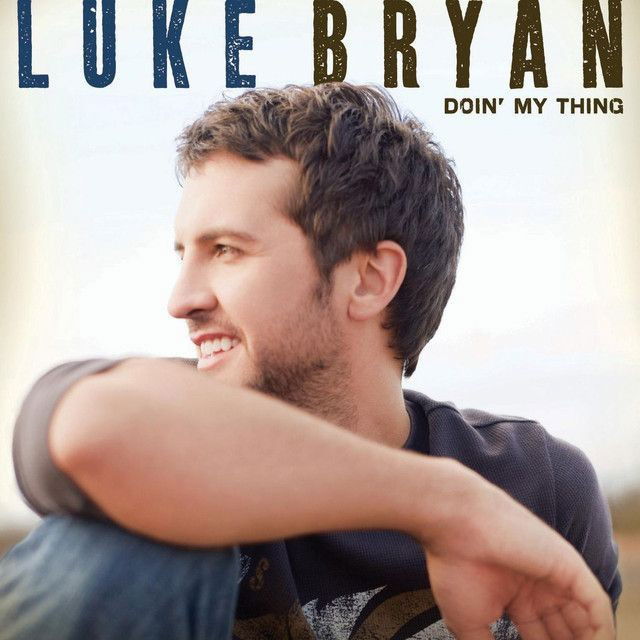
Luke Bryan released the track as a single in 2010 from Doin' My Thing, and it became his first No. 1 on Billboard's Hot Country Songs chart. It was co-written by Bryan and Dallas Davidson, and produced by Jeff Stevens. Those facts matter because the song helped define Bryan's early image: funny, rural, and deeply tied to Southern farm life.
A Farm-Sized Joke With Real Roots
The song opens from a family farming point of view. The narrator remembers a father watching the sky and worrying about dry weather. That setup tells listeners that rain is not just weather; it is money, labor, and hope.
Bryan has said in interviews that his family worked in agriculture in Georgia, and the forecast could shape the mood in the house. He explained that rain often meant the crops would be fine and it would be a better week. That background helps explain why the hook feels believable rather than forced.
So when the song keeps returning to rain is a good thing
, it is making a cultural argument. In the city, rain might ruin plans. In the country, it can save them.

Watch the official Rain Is A Good Thing
music video
How the Chorus Builds the Song's Message
The best-known line is the chain reaction in the chorus: Rain makes corn
, then corn makes whiskey
. After that, the song turns playful and romantic. The logic is exaggerated on purpose, but it works because it turns farm economics into a joke about nightlife and attraction.
Interpretation: The chorus is less about whiskey itself than about cause and effect. Rain starts a cycle. That cycle leads to abundance, celebration, and human connection. Instead of treating nature as an obstacle, the song treats it as the beginning of pleasure.
This is also why the hook stuck so strongly. It is easy to remember, funny in its logic, and rooted in a real farming truth: rain helps crops grow.
Small-Town Life in Motion
The verses broaden the picture beyond farming. Bryan fills the song with muddy roads, trucks, barns, creeks, and families reacting to a storm. These details create a shared world where everybody responds to rain in their own way.
A short phrase like back roads are boggin' up
suggests inconvenience, but the song flips that inconvenience into adventure. Friends crowd into a truck. Couples head into town. Kids splash around. A local farmer celebrates rising water.
That is the heart of the lyric writing. Rain changes everyone's plans, but in this song, the changed plan is better than the original one.
Romance Under the Tin Roof
The love-story side of the song matters too. Bryan uses storm imagery to make romance feel rustic and spontaneous.
kiss out back in the barn
ridin' out a thunderstorm
Those lines are not presenting deep heartbreak or longing. They are presenting weather as a mood-setter. The storm makes people slow down, get close, and enjoy the moment.
Interpretation: Rain becomes a symbol of permission. It gives the characters an excuse to stop working, stop worrying, and lean into affection.
Why the Sound Feels So Cheerful
The production helps sell that idea. The track is short, fast, and upbeat, with a bright country arrangement built for sing-alongs. Its groove feels more like a tailgate or bar-band party than a reflective ballad.
That matters because the song's message could have sounded corny if performed too seriously. Instead, Bryan's delivery is playful and confident. The rhythm pushes forward, and the chorus lands like a chant. The sound tells listeners not to overthink it; they are supposed to smile.
Writers and reviewers often point to that easy charm as part of the song's appeal. Its hoedown energy makes the rural imagery feel welcoming rather than exclusive.
Artist Context Makes the Meaning Clearer
Bryan did not invent these images from nowhere. He grew up on a peanut farm in Georgia, and that lived experience gives the song its center. Even when the lyrics are jokey, they come from a real understanding of what rain means to working land.
That is one reason the song connected so widely. It is specific enough to feel authentic, but broad enough to be universal. Almost anyone knows what it means to complain about something at first, then realize it may help later.
It also arrived at an important point in Bryan's career. As his first country chart-topper, it showed that he could turn regional detail into mainstream radio success.
More Than a Party Song?
On the surface, this is a fun country hit. That is the safest factual reading. But there is room for a wider interpretation too.
Interpretation: The song quietly argues for gratitude. Rain stands for the parts of life that look messy in the moment but bring growth later. Mud, thunder, and delays are not romantic in most pop songs. Here, they lead to crops, community, and closeness.
That does not make the song profound in a heavy way. Its power is that it keeps the lesson light. It never stops being catchy, and it never pretends to be wiser than it is.
The Lasting Takeaway
The meaning of Rain Is A Good Thing Luke Bryan is that blessing can arrive disguised as inconvenience. Bryan turns a farm truth into a country-pop hook: rain feeds the land, lifts spirits, and gives people a reason to gather.
That mix of realism and humor is why the song lasted. It celebrates a rural worldview where nature, work, fun, and love all connect.
Disclaimer: This interpretation separates documented facts about the song from informed reading of its themes. As with any lyric, listeners may hear meanings that differ from the writer's original intent.








