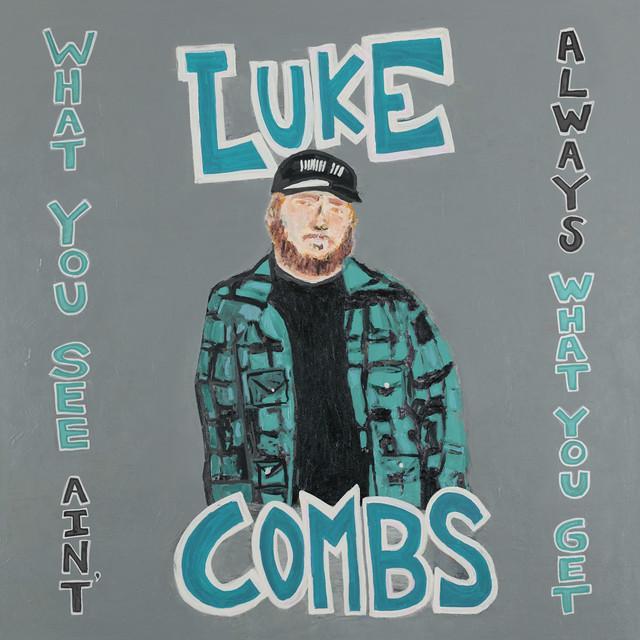
Forever After All by Luke Combs
They build the song out of things that run out—beer, batteries, truck miles—and then make a counterclaim: real love doesn’t. That tension is the heart of the meaning of Forever After All Luke Combs, a vow framed in plain, lived‑in images.
"Forever After All" - Luke Combs
A good truck's got maybe three hundred thousand
You only get so much until it's gone
Loading lyrics...
Unable to load lyrics
We're unable to display the lyrics at this time. Please try again later.
What Holds When Time Doesn’t
At its core, the song argues that while the new wears off
of almost everything, committed love can outlast the wear. This isn’t grand poetry; it’s a blue‑jean promise, spoken from one partner to another.
Interpretation: The line nothing lasts forever
is set up so the narrator can push back—he believes their bond is the exception. The result is a simple thesis with emotional weight: love endures because it’s chosen, daily.

Watch the official Forever After All
music video
Who’s Talking, and To Whom
The voice is first‑person, a partner addressing his wife. He lists ordinary scenes—like a t-shirt in the kitchen
or moonlight dances in your eyes
—to show that the relationship’s beauty lives in everyday moments, not just big milestones.
Interpretation: The refrain they ain't seen us together
feels like a defense against cynicism. The narrator isn’t denying time; he’s saying outsiders don’t know their specific story.
The Story, Beat by Beat
- Verse 1: Objects with limits—beer ounces, batteries, truck mileage—set the stakes. Time wins over things.
- Chorus: He counters the cliché
nothing lasts forever
by pointing to their love as a lived proof. - Verse 2: More wear‑and‑tear images (blue jeans, an FM station, guitar strings) deepen the theme: even cherished things fade.
- Bridge: Mortality enters—one day
the good Lord calls one of us home
. The promise stretches beyond that horizon, suggesting spiritual endurance. - Final chorus: The vow hardens into hope—maybe love can last “forever after all.”
Symbols That Make the Case
The catalog of everyday items is doing narrative work. Beer and batteries run out; trucks rack up miles; radio signals fade at the edges of town. Those images are the argument’s “evidence” that time erodes.
Against that, the domestic snapshots—t-shirt in the kitchen
, unguarded looks in moonlight—ground the love in ordinary life. Interpretation: By keeping the imagery humble, the song implies the promise is credible. It’s not fairy‑tale love; it’s the kind that survives shift work and late nights.
How The Sound Sells The Promise
Musically, it’s a midtempo country ballad built on acoustic strums, clean electric guitar, and warm steel flourishes. The rhythm section keeps a steady, heart‑like pulse; dynamics swell into the chorus as Combs’ vocal grit rises, underlining the certainty of the vow.
Production comes from Luke Combs with Chip Matthews and Jonathan Singleton, matching his signature mix of polish and bar‑room warmth. The melody favors open, ascending lines on the hook, letting the lyric’s reassurance land without fuss.
Context: Why It Resonated
Combs wrote the song with Drew Parker and Rob Williford in January 2019, the first song in the home he shared with his then‑fiancée. That personal setting bleeds into the lyric’s intimacy. Released on the 2020 deluxe edition of his second album, it quickly set streaming marks for a country song and debuted high on major charts, showing how the message connected widely.
It also continues a thread from “Beautiful Crazy” and “Better Together,” extending a real‑life love story. The official video features footage from Combs’ actual wedding, reinforcing that this isn’t hypothetical—it’s a lived promise.
What The Chorus Really Means
The chorus reframes the verses’ losses: time is undefeated, but love can resist its effects because it renews itself daily. Interpretation: The hook turns a cliché into an argument; by saying outsiders haven’t seen “us,” the narrator claims their specific love as a counterexample to universal decay.
Alternate Readings Worth Considering
- Wedding vow: Many hear it as a modern vow song, tailor‑made for first dances.
- Faith‑tinged elegy: The bridge’s mention of the Lord and life after death tilts the promise toward spiritual endurance, offering comfort for seasons of loss.
Both readings fit because the lyric keeps its language simple and open.
Takeaway
If the meaning of Forever After All Luke Combs had to be summed up, it’s this: everything wears down, but love that’s tended—through ordinary days—can outlast the wear. That’s why this song feels both personal and universal.
Disclaimer: Song meanings are interpretive. This reading draws on the recording, credited statements, and the lyrics themselves; other interpretations are valid.