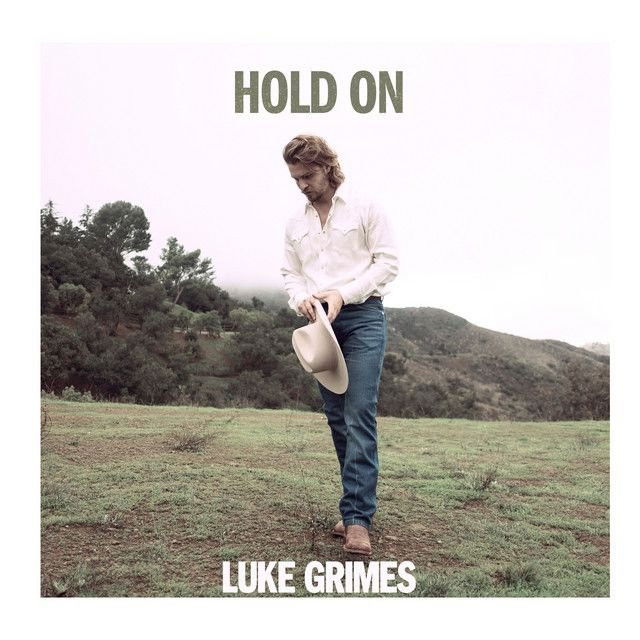
Why Luke Grimes’s ‘Hold On’ Is About Letting Go
They call it a love song, but the meaning of Hold On Luke Grimes is really about walking away before love turns into harm. Across a few spare verses and a lean hook, the narrator confesses they’re drawn in yet unfit to stay, choosing caution over chaos.
"Hold On" - Luke Grimes
If you do, don't say I didn't warn you
Trust me, I know how to start a fire from a flame
Loading lyrics...
Unable to load lyrics
We're unable to display the lyrics at this time. Please try again later.
A soft warning dressed as a love song
The very first lines are a disclaimer. The singer practically posts a warning sign: affection is welcome, but it comes with risk. When they admit they can start a fire from a flame
, it signals self-awareness about how small sparks can escalate.
Interpretation: The song is about self-sabotage and protection at once. They want to be held, but they’re afraid their patterns will burn the thing they want. That push-pull tension drives every choice the narrator makes.
Who’s talking, and why they step back
This is a first-person confession aimed at someone who’s getting close. The line you don’t know me
pushes back on assumptions. It’s not arrogance—it’s worry that a partner sees a fantasy instead of the real, imperfect person.
They also sketch a habit of vanishing: leave before the curtain
lands like a stage exit before the scene is over. Interpretation: they bail before the fallout, hoping to save both people from pain or embarrassment.
What happens, beat by beat
- They feel the pull of intimacy and the comfort of being held.
- Fear kicks in: they know how quickly warmth can become a fight.
- They preempt the hurt by imagining escape, even changing identity.
- Loneliness surfaces, but caution wins; they won’t gamble with another heart.
Each beat loops back to the same question: Is brief closeness worth long-term damage?
The chorus, translated
Here, the narrator names the choice. They picture a clean break rather than a messy cling. The payoff couplet captures the ethical exit:
Maybe I should change my name and run
So I don’t have to hold on
Interpretation: It’s not cowardice. It’s a boundary. They won’t promise a grip they can’t keep. The echo of “hold on” flips the usual comfort phrase into a burden they refuse to place on the other person.
Symbols and the story under the surface
- Fire: From
start a fire from a flame
to the emotional heat of new love, fire stands for escalation—and the narrator’s fear of it. - Curtain: The
leave before the curtain
image suggests performance and image control. They’d rather end the scene early than let it fall apart in public. - Falling: They don’t want to hit someone “while I’m falling,” which reframes love’s swoon as a dangerous drop—another warning about timing and stability.
- Running and renaming: Reinvention becomes a coping tool. If they can’t change the pattern, they can change the setting—or themselves—by leaving.
How the sound underlines the message
The arrangement likely leans on intimate acoustic guitar, restrained drums, and soft low-end. That space lets the vocal sit close to the ear, where every crack of doubt reads as honest. A hint of pedal steel or organ colors the edges without crowding the center, matching the lyric’s restraint.
Interpretation: The mid-tempo sway resists the big cathartic lift you might expect from a chorus titled “Hold On.” Instead, it stays contained, mirroring the narrator’s decision to contain their feelings. The performance feels conversational more than declarative, which fits a confession delivered to one person rather than a room.
Context: authorship and persona
“Hold On” was written by Foy Vance and Ilsey Juber, both known for emotionally direct writing. Grimes brings a plainspoken delivery that suits the lyric’s caution. As an artist who came to country-adjacent music with a storyteller’s background, they lean on character and scene more than vocal fireworks. That choice keeps attention on the moral knot at the song’s core.
Loneliness versus responsibility
The most human moment may be the admission, I’m only human
, paired with it ain’t the kind of risk
they’re willing to take. They want closeness, but not at the cost of someone else’s peace. Interpretation: That’s emotional responsibility—an adult choice, even if it leads to solitude.
Alternate readings worth considering
- Interpretation: Recovery lens. “Falling” could nod to relapse or a mental health dip. Distance becomes a safety plan.
- Interpretation: Fame and boundaries. The plea that
you don’t know me
might address a public who thinks they do, making the song a boundary-setting note to anyone projecting onto the singer.
The takeaway
The meaning of Hold On Luke Grimes isn’t “grip tighter.” It’s “don’t make promises you can’t keep.” By stepping back from a fragile start, the narrator chooses care over chemistry. The song’s quiet honesty makes that choice feel less like fear and more like love in a different form.
Disclaimer: Song meanings are interpretive and may differ from the artist’s intent or listener experience.









