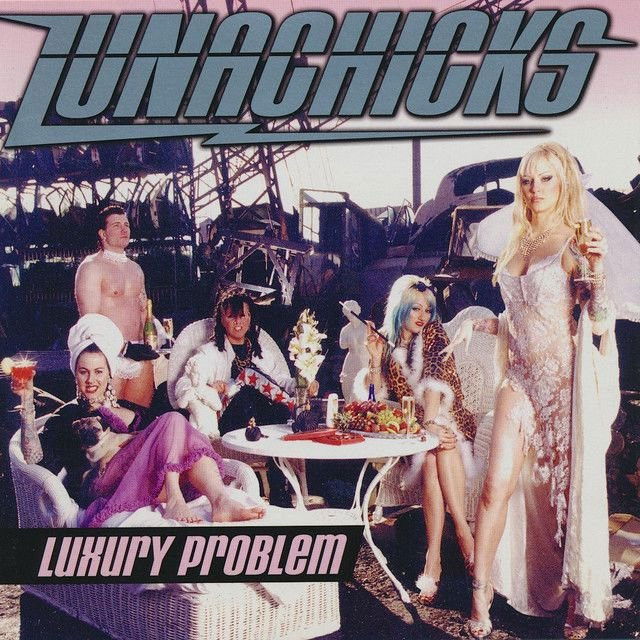
Why Lunachicks Turn Beauty Culture Into a Target
The meaning of Less Teeth, More Tits Lunachicks starts with its title: blunt, ugly, and impossible to ignore. That is the point. The song attacks a culture that rewards women for looking polished, sexy, and harmless while claiming to value intelligence, independence, and progress.
"Less Teeth, More Tits" - Lunachicks
It's no miss tery I dont wanna know you
But Miss America I can't ignore you
Loading lyrics...
Unable to load lyrics
We're unable to display the lyrics at this time. Please try again later.
Lunachicks came out of New York’s punk scene, where shock, humor, and confrontation were part of the art. On their official site, the band’s identity is rooted in loud feminist punk energy, and this song fits that image perfectly. Rather than make a soft argument, they turn beauty pageant language, body anxiety, and fake empowerment into a sneering joke.
The Main Idea Hiding Inside the Insult
At its core, the song is about the pressure to meet impossible standards. The speaker watches a world where women are judged on cosmetic details first and everything else second. The lyrics list body modifications, manners, and smile control as if womanhood has become a checklist.
That is why the chorus lands so hard. The phrase Less Teeth and More Tits
reduces a whole social expectation into one cruel slogan. In plain terms, the song suggests that society often tells women to speak less, think less, and simply become more sexually appealing.
Interpretation: The track is not mocking women who feel pressure to change their bodies. It is mocking the system that creates that pressure and then pretends it is freedom.

Watch the official Less Teeth, More Tits
music video
A Voice Full of Anger, Comedy, and Exhaustion
One of the smartest things in the song is its voice. The singer sounds disgusted, but also tired of the game. Questions like Am I smilin enough?
show how self-surveillance becomes constant. The person in the song is not just being judged by others; they have started to judge themselves through the same warped rules.
That detail matters. It turns the song from simple social criticism into something more personal. The damage is not only external. It gets inside the mind and creates endless insecurity.
The Chorus as a Social Command
The repeated hook works like a slogan from a sexist culture. It is memorable because it sounds like the kind of advice women are often given in coded ways: be more attractive, less threatening, less outspoken.
It’s never enough
You’ll never be good enough
Those lines sharpen the song’s message. Even total compliance will not bring peace, because the standard keeps moving.
How the Verses Build the Critique
The verses pile up images of cosmetic work: capped teeth, liposuction, contouring, tucking, lifting. The wording feels mechanical. Bodies are treated like projects to correct rather than people to live in.
Then the song widens its target. It is not just about fashion or vanity. It goes after public women, status symbols, and image-heavy power. The reference to crowns, smiles, and polished presentation suggests beauty queens, celebrity culture, and any public role where appearance gets mistaken for worth.
When the band mentions little cotton ball
and cosmetic “perfection,” they seem to ridicule a sanitized, delicate image of femininity. That image looks clean and pleasant on the surface, but the song frames it as part of a larger trap.
Punk Sound, Punk Meaning
The meaning of Less Teeth, More Tits Lunachicks is not only in the words. It is also in how the band sounds. Lunachicks were known for hard-edged punk mixed with humor and theatrical attitude; AllMusic places them in that riotous punk tradition. The fast tempo, sharp guitar attack, and sneering vocal delivery make the song feel like a public heckling of beauty culture.
That production choice matters. A smoother pop arrangement might have made the song feel playful or glamorous. Instead, the roughness makes the message feel urgent and hostile. The band do not merely describe fake polish; they sonically reject it.
Their performance also mirrors the theme. The music is messy in a human way, which contrasts with the impossible perfection described in the lyrics. In that sense, the sound becomes part of the argument: real bodies and real voices should not have to be airbrushed into acceptability.
The Sharpest Line in the Song
Late in the song, the band asks for something else
. That simple phrase is crucial. After all the sarcasm, body imagery, and insults, the real demand appears: they want a different model of value.
This is where the song grows beyond insult comedy. It is not only saying what they hate. It is saying they are hungry for meaning, honesty, and substance. The later lines about smiles seeming evil and a crown falling off suggest that status and beauty can hide emptiness.
Interpretation: The song may be read as feminist satire, but also as a broader attack on hollow public performance. Anyone who sells image over integrity could fit the target.
Why the Song Still Connects
The track comes from a specific punk era, yet its message still feels current. Cosmetic pressure, social media self-branding, and the demand to look “effortless” while working constantly all echo the song’s complaint. Its language is raw, but the basic question remains modern: what happens when appearance becomes more important than personhood?
That is why the song still bites. It is vulgar on purpose, but not empty. Beneath the joke is a serious point about control, shame, and the way sexism can dress itself up as choice.
Final Take on the Message
The meaning of Less Teeth, More Tits Lunachicks is a furious rejection of a culture that asks women to shrink their minds and redesign their bodies for approval. The song exposes beauty standards as both absurd and cruel, then uses punk noise and sarcasm to tear them apart.
Lunachicks do not offer a neat solution. They offer a loud refusal. And in that refusal, the song finds its power.
Disclaimer: This interpretation is based on the lyrics, performance, and available artist context. As with most punk songs, some meaning remains open to listener interpretation.








