Welcome To My Crib by Randy
A Party Song With a Private Goal
The meaning of Welcome To My Crib Randy is fairly direct: it is a reggaeton seduction song that turns a crowded house party into a path toward private intimacy. Randy frames the night as a shift from noise, bodies, and alcohol toward a bedroom encounter. The song is not subtle, but it is structured well. Each section pushes the same idea forward: public energy becomes personal invitation.
"Welcome To My Crib" - Randy
Aight (aight)
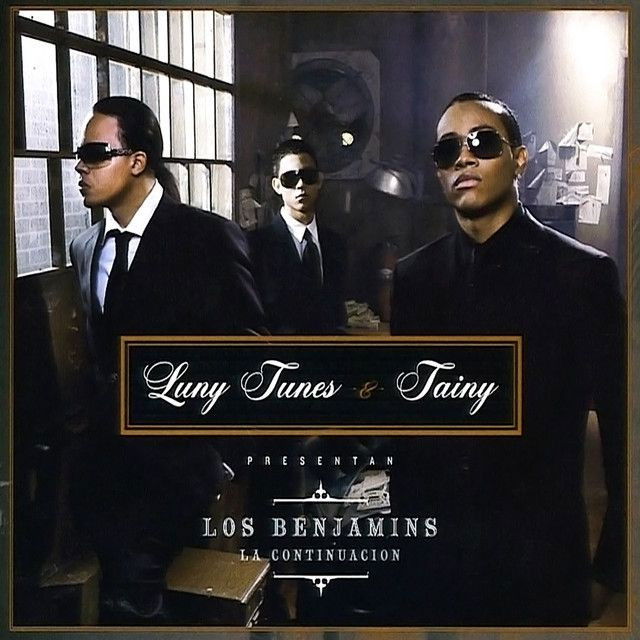
La Continuación de los Benjamins
Loading lyrics...
Unable to load lyrics
We're unable to display the lyrics at this time. Please try again later.
That is why the title phrase matters so much. When they say Welcome to my crib
, they are not only greeting someone. They are offering entry into a controlled space. In hip-hop and reggaeton, the home often stands for status, comfort, and sexual confidence. Here, the house is full of people, but the real destination is the room behind the party.

Watch the official Welcome To My Crib
music video
How the Story Moves From Sadness to Seduction
The opening gives the song a small emotional setup. Randy notices that the woman arrived unhappy, and they say it took time to pull una sonrisa
from her. That detail matters because it gives the singer a role beyond pure bragging. They present themselves as someone who changes her mood, then uses that change to move the night forward.
After that, the narrative becomes very clear:
- They meet at a party.
- The singer wins her attention.
- The house feels too crowded.
- They leave the public space for the bedroom.
- Desire becomes the song’s only focus.
This is why the line about mi cama
keeps coming back. It is less about romance than direction. The song keeps narrowing its camera angle, moving from the whole house to one room, then from the room to two bodies.
What the Chorus Really Means
The chorus is simple on purpose. The repeated invitation links hospitality and desire. When the singer says the living room is overloaded and then suggests leaving it, the song creates a contrast between social chaos and private pleasure.
Interpretation: the hook works because it sells fantasy in two layers at once. On the surface, it sounds playful and welcoming. Underneath, it is a statement of control: the singer decides where the night goes next. That makes the phrase catchy, but also revealing.
Tengo un party en casa
Vámonos pa' mi cama
Those short lines capture the whole design of the song. First comes the event, then the escape from the event.
The House as Symbol, Not Just Setting
One reason the song sticks is that the house is more than background. It acts like a map of desire. The living room is loud and messy. The hallway and bathroom imagery suggest overflow. The bedroom, by contrast, is where the singer claims intimacy will become real.
The phrase mi party es tu party
widens the invitation, but only for a moment. Soon after, the focus tightens again. That pattern tells listeners what matters most: the party is bait, not destination.
Interpretation: the “crib” also works as a status symbol. In urban music, showing someone your place can imply maturity, success, and sexual readiness. Randy’s performance leans into that tradition. They are not just saying “come over.” They are saying they own the scene.
Sound, Production, and Why It Feels So Confident
Production is a big part of the song’s meaning. Randy is joined by Luny Tunes and Tainy, major names in reggaeton’s hit-making era. Credits listed by music databases such as Discogs and writer information mirrored on Genius connect the track to that polished commercial sound.
The beat does not chase vulnerability. It uses steady dembow rhythm, glossy synths, and crisp percussion to keep everything moving forward. That matters because the song’s message is direct and physical. The production avoids pauses or emotional detours, which helps the invitation feel smooth and relentless.
Randy’s vocal approach also shapes the song. They do not sound tortured or conflicted. They sound playful, persuasive, and in control. Even the ad-libs and callouts help build a party atmosphere where flirtation feels like part of the entertainment.
Artist Context and Genre Fit
Randy, widely known as Randy Nota Loca of Jowell & Randy, built a career in reggaeton through charisma, melodic swagger, and club-ready delivery. This song fits that image closely. It belongs to a strain of mid-2000s reggaeton that mixed nightlife, lust, and catchy bilingual phrases for maximum replay.
That context helps explain the song’s plainspoken approach. It is not trying to be poetic in a deep, hidden way. It is trying to be memorable, sensual, and easy to chant. For U.S. listeners, especially those familiar with that era of reggaeton, the song reads as a confident nightlife anthem with a very specific objective.
Final Take on the Song’s Message
So, what is the meaning of Welcome To My Crib Randy? It is a fantasy of invitation, control, and seduction. The song starts with a woman’s sadness, but quickly turns that moment into a setup for a private encounter. The party gives the song movement; the bedroom gives it purpose.
Interpretation: listeners can hear it as a simple club track or as a small power play disguised as hospitality. Both readings fit the lyrics and the production. Either way, the song’s core message is clear: the singer turns a chaotic night into a private promise.
Disclaimer: This interpretation is based on the lyrics, performance, and available song context. Meaning can vary from listener to listener.







