Why “Kick, Push” Still Rolls So Smoothly
The Heart of the Song
The meaning of Kick, Push Lupe Fiasco starts with a simple story: a kid finds skateboarding, gets hooked, and builds a life around it. But the song is not only about tricks and pavement. It is about freedom, identity, love, and the search for a place to belong.
"Kick, Push" - Lupe Fiasco
Yeah (Soundtrakk, what's poppin', baby?)
Y'all ain't know
Loading lyrics...
Unable to load lyrics
We're unable to display the lyrics at this time. Please try again later.
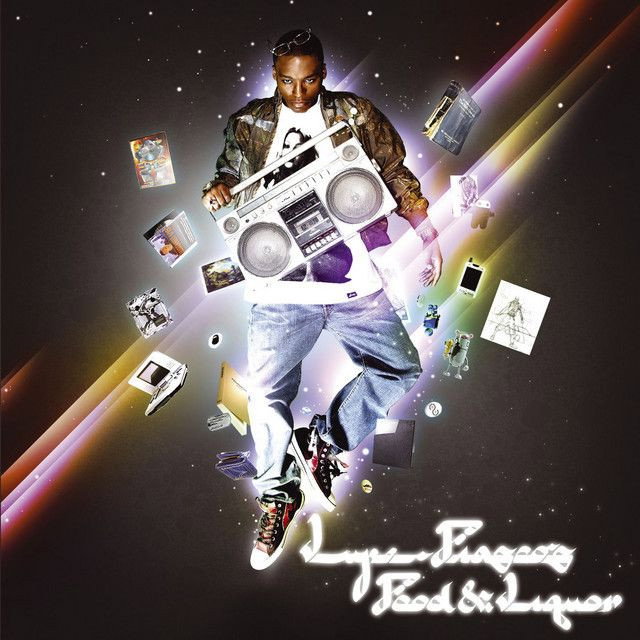
Released in 2006 as the lead single from Lupe Fiasco’s Food & Liquor, the track introduced Lupe to a wide audience and helped define his early reputation for smart, story-driven rap. It was written by Wasalu Jaco and Rudolph Lopez, better known as Soundtrakk, who also produced it. Factually, it became one of Lupe’s signature songs, earning Grammy nominations and later a Platinum certification in the United States.
At the center of the song is a person seen by others as different. He is called a misfit, pushed out of ordinary spaces, and told there is no skating here
. That line matters because it keeps showing how society treats youth culture as a problem. The board becomes more than a hobby. It becomes a way to move through rejection.
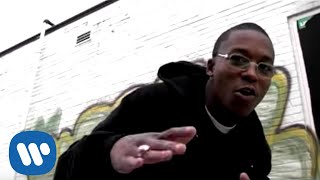
Watch the official Kick, Push
music video
A Coming-of-Age Story on Four Wheels
From pain to purpose
The first verse begins with childhood. The boy falls early, gets hurt, and could quit. Instead, he keeps going. That small detail turns skateboarding into a metaphor for persistence. They show that passion often begins with failure, not instant skill.
When Lupe describes the first successful move, the point is not just technique. It is the thrill of discovering something that feels truly theirs. The character becomes a misfit
and a bandit
, labels that sound negative on the surface but also signal independence. He is no longer trying to fit into the usual path.
Love enters the picture
The second verse expands the story. The skater grows older, gains confidence, and meets a girl who understands his world. That is one of the song’s smartest turns. Lupe does not make romance a distraction from identity; he makes it part of shared identity.
Their connection works because she rides too. When he jokes that he is engaged to these aerials and varials
, the line says he is devoted to skating. Her answer proves she is not asking to be carried. She has her own board, her own skill, and her own place in the scene. Together, they become outsiders who finally do not feel alone.
Kick, push
kick, push
coast
This brief refrain captures the song’s whole emotional arc: effort, balance, then release.
What the Chorus Really Means
The chorus is catchy, but it also frames the song’s message. On one level, it mirrors the physical motion of skating. On another, it suggests a way of living: push forward, keep rhythm, and trust the ride.
The final word, coast
, is especially important. After all the pressure from parents, neighbors, security guards, and police, coasting feels like a rare moment of peace. Interpretation: that may be why the hook sounds so warm and open. It offers emotional relief.
The chorus also keeps repeating the idea of being a rebel with no place to go
. That phrase gives the song its sadness. Even when the characters find joy, they still live in a world that keeps closing doors. The song’s optimism is real, but it is never naive.
The Bigger Themes Under the Surface
Outsider identity
One major theme is being treated as an outsider for loving something that others do not respect. The repeated shutdowns from authority figures make that clear. Skateboarding stands for any passion that gives young people meaning while making adults uncomfortable.
Freedom and escape
The third verse shifts from one skater to a full crew. The group rides through city spaces, chased away but still committed. Lupe describes skating as an escape when life gets heavy. Interpretation: in that sense, the board symbolizes self-made freedom. They may not own the city, but they can still move through it on their own terms.
Community and belonging
The song starts alone, moves into romance, and ends with a crew. That structure matters. It shows belonging growing step by step. First the skater discovers selfhood, then partnership, then community. The journey is emotional as much as physical.
How the Production Supports the Meaning
Soundtrakk’s beat is a big reason the song feels so inviting. The production uses a smooth, soulful loop sampled from Celeste Legaspi’s “Bolero Medley,” giving the track a breezy glide that matches the motion of skating. Rather than sounding aggressive, the instrumental rolls forward softly, almost like the board itself.
That musical choice supports Lupe’s storytelling. His flow is nimble and conversational, not rushed. He lets the details breathe. Because of that, the song feels cinematic: listeners can picture the empty lots, stair sets, and late-night rides.
This also explains why the track stood out in 2006. Many rap hits of that era aimed for hard impact, while “Kick, Push” felt gentle, reflective, and specific. Pitchfork praised it as a standout of the year, and its long life in skate and sports media shows how well that mood has aged.
Artist Context and a Useful Caution
There is an important real-world detail here. Lupe later clarified that he was not actually a skater and did not want to pretend he had lived the exact life in the song. That context matters because it frames the song less as autobiography and more as empathetic storytelling.
Some people in skate culture pushed back on that. Still, the song connected because it understood something true about skate life: the mix of exclusion, style, risk, friendship, and freedom. It may not be literal memoir, but it feels emotionally observant.
Why the Song Endures
The meaning of Kick, Push Lupe Fiasco lasts because the song turns a niche scene into a universal feeling. Anyone who has ever been told their passion is silly, disruptive, or unwelcome can hear themselves in it.
More than a skate anthem, it is a song about building identity in motion. It says that even if the world keeps posting signs against you, you can still find your people, your rhythm, and your road.
Disclaimer: This interpretation separates documented facts from informed reading. Like most narrative songs, “Kick, Push” can support more than one meaning.







