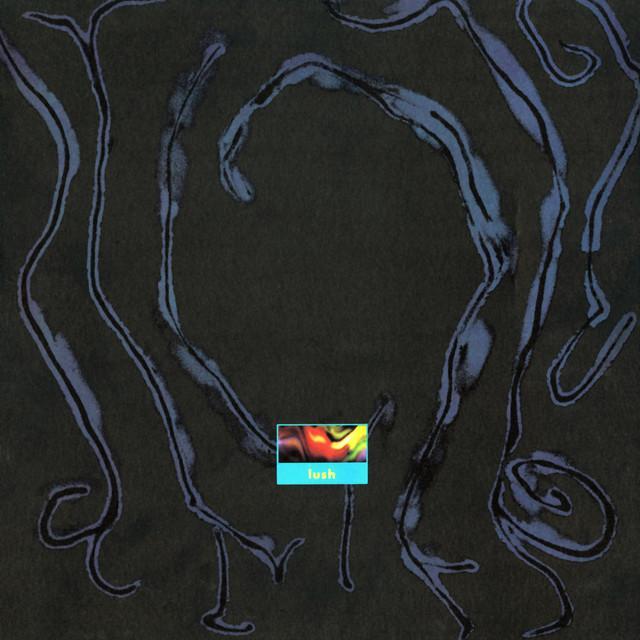
De-Luxe by Lush
Lush’s “De-Luxe” is one of those songs that feels physical before it feels logical. It swirls with touch, motion, and half-clear images, then leaves the listener to connect them. That is the key to the meaning of De-Luxe Lush: it is less a tidy story than a rush of sensation, desire, and altered perception.
"De-Luxe" - Lush
Suggest I open wide
No incentive to hide
Loading lyrics...
Unable to load lyrics
We're unable to display the lyrics at this time. Please try again later.
Written by Emma Anderson, the song appeared on Lush’s early release Scar, a record that helped define the band’s place in the UK dream-pop and shoegaze scene. In that context, its blurred language makes sense. Lush often paired soft melodies with words that suggested emotion through texture instead of direct confession.
What the Song Seems to Be Saying
At its core, the song suggests a state of romantic or erotic intensity so strong that it destabilizes identity. Early lines point to surrender and bodily excitement, especially in the image of being overwhelmed by feeling. When the singer says happy coursing through my veins
, the point is not just happiness in a simple sense. It sounds more like a chemical rush, as if attraction has become a full-body event.
The repeated idea when I’m up you’re coming down
adds tension to that pleasure. The relationship does not feel balanced. One person rises as the other falls. That could suggest emotional dependence, power exchange, or the unstable rhythm of two people who cannot stay in sync.
Interpretation: rather than describing healthy romance, the song may be exploring intoxication itself—whether from love, sex, or mood. The language keeps those possibilities open.
Desire Told Through Texture, Not Plot
Unlike a narrative song, “De-Luxe” gives fragments instead of events. There is no clear beginning, conflict, and ending. Instead, listeners get surfaces and sensations: a “slide,” “veins,” “polythene,” “paper flowers,” “grass,” and aching legs. These details build mood more than storyline.
That is why the song can feel both intimate and elusive. The phrase wrapped in polythene
sounds protective, artificial, and faintly erotic all at once. It places the body in something synthetic, which creates a contrast with the later image of an earthy bed
. One image is plastic and man-made; the other feels natural and grounded. The song keeps moving between those two poles.
This push and pull matters to the meaning of De-Luxe Lush. The track presents desire as both natural and staged, freeing and strange. Even the title hints at excess or luxury, as if ordinary feeling has been heightened into something lush, expensive, or unreal.
The Most Important Images in the Lyrics
Nature and the Body
Several images tie the speaker’s body to the natural world. The mention of an earthy bed
, along with grass and aching legs, gives the song a tactile, almost pastoral sensuality. This makes desire feel rooted in flesh and landscape instead of abstract romance.
But nature is not presented as peaceful. The body is worked, stretched, and flooded with sensation. The physical setting feels less like rest and more like immersion.
Artificial Surfaces and Emotional Blur
The song also brings in artificial materials, especially polythene and paper flowers. Paper flowers look pretty, but they are substitutes for living things. That detail may suggest that part of the relationship is decorative, unreal, or temporary.
When the lyric mentions paper flowers bring me luck
, it sounds playful on the surface. Still, it may also imply reliance on fragile symbols instead of real security. In other words, the speaker may be reaching for signs and rituals because the experience itself is unstable.
How Lush’s Sound Deepens the Meaning
A big part of the song’s power comes from the arrangement. Lush were central to the shoegaze and dream-pop wave documented by outlets like AllMusic, and “De-Luxe” shows why. The guitars blur into a shimmering wash, while the rhythm section gives the track enough lift to feel propulsive instead of sleepy.
That musical design supports the lyric’s uncertainty. The words do not explain everything, so the sound supplies emotional logic. Floating guitars create dreaminess; the beat adds bodily momentum; the vocal delivery softens the sharp edges of the images. The result is a song that feels seductive and detached at the same time.
This is important because the song’s emotional center is not certainty. It is suspension. The listener is held inside a moment that feels intensely present but hard to define.
Two Strong Readings of “De-Luxe”
Interpretation 1: A Song About Sexual Surrender
The most direct reading is that the song captures erotic vulnerability. The body-centered imagery, the motion implied by the opening lines, and the repeated imbalance of one person rising while another falls all support that view. In this reading, the song is about giving in to pleasure while also feeling slightly lost inside it.
Interpretation 2: A Song About Emotional or Chemical Highs
Another reading is that the lyrics describe a broader altered state. Veins, blurred identity, and unstable ups and downs can suggest intoxication, obsession, or emotional mania. The speaker may not fully know whether they are in control, which gives the song a faint edge beneath its beauty.
Both readings can exist together. That overlap is part of what makes the song memorable.
Why the Song Still Connects
The meaning of De-Luxe Lush lasts because the song trusts mood over explanation. It captures a feeling many listeners recognize: the moment when pleasure, confusion, and self-loss start to blend. Instead of spelling that out, it lets images, repetition, and sound do the work.
That approach also fits Lush’s wider appeal. They often turned emotion into atmosphere, and “De-Luxe” is a strong example of how that method can feel both mysterious and immediate.
Final Thought
“De-Luxe” is best understood as a song about sensation taking over language. Interpretation: whether listeners hear sex, intoxication, or emotional imbalance, the song points to an experience so strong it becomes hard to name.
Meaning in songs like this is rarely fixed. This interpretation is based on the lyrics, performance, and known context, but other listeners may hear different shades in the same images.








