
What "Starlust" by Lush Really Chases
In Lush’s dreamy B-side, desire is not calm or safe. It feels like standing in the dark and reaching for someone who seems to glow.
"Starlust" - Lush
Provided by LyricFindWalking at midnight
In the darkness, alone
Standing in the shadowsLoading...Loading lyrics...
Unable to load lyrics
We're unable to display the lyrics at this time. Please try again later.
A bright summary of the meaning of Starlust Lush
The meaning of Starlust Lush is best understood as a song about desire turning into self-erasure. The speaker is not simply admiring another person. They are pulled toward someone whose beauty or energy feels almost supernatural, and they want that light to remake them.
That idea comes through quickly. The scene begins with isolation and nighttime movement, then shifts into fascinated watching. When the singer mentions walking at midnight
and being in the darkness, alone
, the song frames desire as something private, restless, and a little vulnerable.
Interpretation: rather than describing a settled relationship, the lyric presents a fantasy of closeness. The object of desire seems distant, glowing, and powerful. The speaker seems willing to lose control if it means feeling transformed.
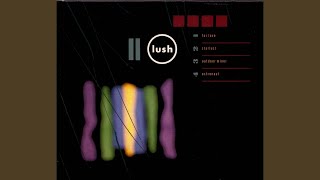
Watch the official Starlust
music video
Where the song sits in Lush’s story
Lush were formed in London in 1987 and became one of the best-known bands linked to shoegaze and dream pop, blending thick guitars with airy melody. According to widely available band histories, Starlust originally appeared as a B-side to the 1991 single For Love, during the same creative period that led to Spooky, their 1992 album (Wikipedia).
That matters because the song fits a specific version of Lush. This was the era of dense guitar effects, soft-edged vocals, and a sound often described as immersive or cloudlike. The production around the Spooky era, shaped in part by Robin Guthrie, leaned into “walls of sound” textures (Wikipedia).
So even before the words are unpacked, the band context already points the listener toward a dream-state: beauty, distance, and emotional blur.
The narrator’s gaze: desire as watching
One of the clearest features of the lyric is its focus on looking. The speaker is not in conversation. They are positioned at a distance, observing another person’s shine. A phrase like watching your glow
turns attraction into an act of worship.
That wording suggests imbalance. The other person is bright and active; the speaker is hidden in shadows. They smile, wait, and dream. The emotional movement is one-way.
Interpretation: this could reflect a crush so intense that it becomes projection. The loved person may be real, but the speaker experiences them more as a symbol than as a full human being.
The chorus turns longing into surrender
The song’s emotional center arrives when desire becomes a request for change. The repeated idea of wanting another person’s light is more than flirtation. In phrases such as make me shine
and touch me with your light
, the speaker asks to be altered from the outside.
That is why the lyric feels both romantic and uneasy. They do not only want the other person. They want what the other person represents: radiance, worth, intensity, maybe even escape from loneliness.
There is also risk in the image of burning. The speaker imagines that contact with this light will make them blaze like a star
. That sounds beautiful, but stars burn because of pressure and heat. The image carries desire and danger at the same time.
Night, red light, and stars: the song’s key symbols
Lush keep the lyric simple, but the imagery does a lot of work.
Darkness and shadows
The opening places the speaker in a lonely night world. Darkness suggests uncertainty, secrecy, and emotional need. Shadows also imply distance from the person being desired.
Red light
The mention of a red light adds tension. It can suggest temptation, emotional warning, or the feeling of being paused right before action. The song never explains it directly, which keeps the image open.
Starlight
Starlight is the song’s most important symbol. Stars are beautiful but far away. Their light is real, yet unreachable. That makes them a perfect image for idealized desire.
Interpretation: “starlust” may describe wanting someone not just physically, but mythically. The speaker is lusting after an aura.
How the sound carries the lyric’s meaning
Even without hearing a loud dramatic performance, a listener can infer a lot from Lush’s style in this period. Their early records are known for layered guitars, hazy effects, and vocals that often blend into the mix rather than dominate it (Wikipedia).
That musical approach supports the lyric beautifully. A crisp, sharply outlined arrangement might make these words sound direct or confrontational. Lush’s blurred textures do the opposite: they make the desire feel suspended, dreamy, and half-unreal.
This is important for the meaning of Starlust Lush. The song does not present lust as swagger. It presents it as drift, glow, and intoxication. The sound likely softens the edges while deepening the obsession.
Two strong ways to read the song
There is more than one plausible reading here:
- Romantic yearning. The speaker wants intimacy with someone who feels dazzling and emotionally rescuing.
- Dangerous idealization. The speaker is so fixated on another person’s glow that they risk losing their own identity.
Both readings fit the lyric. The line between devotion and self-loss is the song’s real tension.
Why this B-side still lingers
Part of the appeal is its economy. The lyric is brief, but it captures a feeling many listeners know: the wish that another person’s attention could make them brighter, stronger, or more alive.
Lush were especially good at turning that kind of feeling into atmosphere. In Starlust, they make infatuation sound celestial, but they also let it feel unstable. That mix of beauty and danger is why the song stays interesting.
Final takeaway
The meaning of Starlust Lush lies in its portrait of longing as both enchantment and risk. It is about wanting someone’s light so badly that love starts to resemble surrender.
Disclaimer: This interpretation is based on the published lyric, Lush’s historical context, and the band’s known style. As with most songs, listeners may hear different meanings in the same images.








