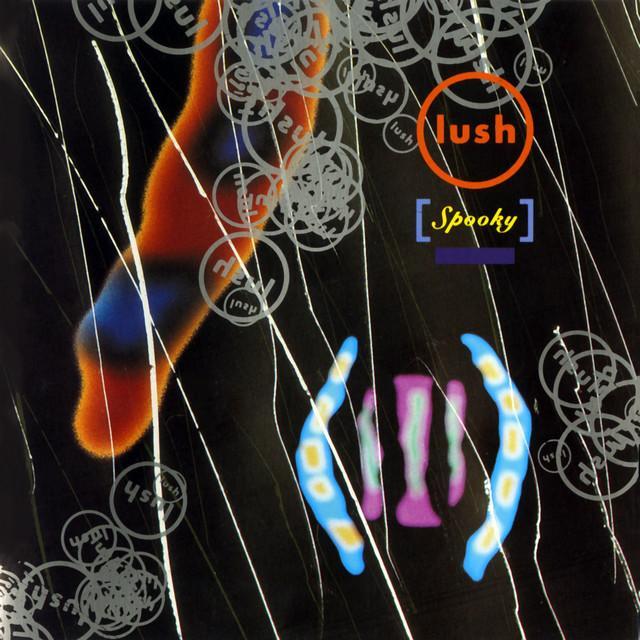
Superblast! by Lush
The meaning of Superblast! Lush starts with tension: the song sounds airy and bright, but its words feel unsettled, private, and hurt. Released in February 1992 as a promo single from Spooky, the track sits inside the band’s early shoegaze era, when Lush were building dense guitars and blurred emotion into something both beautiful and uneasy. Lush, the London band formed in 1987, became one of the best-known acts linked to shoegaze and dream pop, and Spooky reached No. 7 on the UK Albums Chart.
"Superblast!" - Lush
Losing tears, shedding fears
Strain for the sun
Loading lyrics...
Unable to load lyrics
We're unable to display the lyrics at this time. Please try again later.
What makes “Superblast!” memorable is that split between softness and distress. Emma Anderson wrote the song, and her lyric moves like a private thought spiral rather than a clear story. That matters, because the song’s meaning comes less from plot than from emotional fragments.
Where the Song’s Heart Really Lives
At its core, “Superblast!” seems to describe someone trying to live with an emotional presence they cannot fully remove. Interpretation: that presence could be an ex-lover, a memory, a wound, or even a part of the self that keeps returning. The song keeps circling absence and invasion at the same time.
Early lines suggest inner strain. The speaker is in the world but also overwhelmed by it, caught between crying and trying to push through fear. When the lyric says losing tears, shedding fears
, it sounds like an attempt at release, but not a complete one. Relief never fully arrives.
That emotional confusion deepens with repeated lines like you don’t know
and you don’t care
. Those phrases are simple, but they shape the whole song. They suggest a painful gap between what the speaker feels and what another person understands.

Watch the official Superblast!
music video
A Voice Trapped Between Solitude and Contact
One key to the meaning of Superblast! Lush is the way the speaker moves between isolation and unwanted closeness. They say they are at home and alone, yet the song never feels peaceful. Solitude here is not safety. It is a room where memories get louder.
The most revealing moment comes in the central image:
You’re still inside of me
Beneath the cotton core
This is the article’s clearest clue. The speaker is not talking about a person who simply left. They are talking about someone or something that remains embedded. Interpretation: cotton core
may suggest softness hiding pain, or a padded emotional center where hurt is stored rather than healed.
The next image, my pictures smile at me
, makes memory feel eerie. Photos normally preserve happy moments, but here they almost mock the speaker. The past is frozen, attractive, and false at once.
Dream Images, Sharp Edges
Lush often worked in a style where feeling arrives through texture and imagery more than direct explanation. “Superblast!” follows that pattern. Instead of spelling out a breakup or betrayal, it gives a series of strange objects and sensations: sun, cotton, blue and white, fruit, nylon, smiling pictures.
These images feel soft on the surface, but many hide threat. fatal fruit
turns something tempting into something dangerous. A nylon smile
sounds synthetic, polished, and dishonest. Even beauty is suspect.
That is why the song can be read as a portrait of seduction mixed with distrust. Interpretation: the speaker may be describing a relationship that looked appealing but felt manipulative underneath. The repeated move from attraction to hurt supports that reading.
How the Chorus Turns Confusion into Pain
The refrain does not offer a big resolution. Instead, it narrows the emotion into accusation and emptiness. Repeating it’s not there
makes the song feel haunted by something missing: love, honesty, closure, or emotional reciprocity.
Then the answer comes back with it’s not fair
. That shift matters. First the speaker notices absence; then they react to it. The song’s pain is not only sadness. It is grievance. Someone failed to understand, failed to care, or failed to give back what was taken.
Because those lines repeat, they act like intrusive thoughts. The listener hears the mind returning to the same wound, unable to settle it.
Why the Sound Matters So Much
The production is a huge part of the meaning. On Spooky, Lush worked with Robin Guthrie of Cocteau Twins, and the album became known for its wall-of-sound guitars and heavy use of effects. “Superblast!” benefits from that style because the arrangement blurs the edges of the lyric, making emotion feel submerged rather than plainly stated.
The guitars shimmer, but they do not sound carefree. They create a rushing, pressurized space, as if the speaker’s thoughts are expanding beyond control. The drums keep the song moving forward, while the vocals float just enough to sound detached from the body. That distance fits the lyric’s emotional numbness.
There is also an important contrast here: the music feels almost radiant, while the words suggest damage. That contrast is central to shoegaze, and it is central to this song’s power. It lets listeners feel how pain can hide inside something lovely.
Two Strong Readings of “Superblast!”
There is more than one good way to hear this song:
- Interpretation 1: A breakup echo. The speaker is haunted by someone who left but still occupies their inner life.
- Interpretation 2: A song about violated boundaries. The language of being entered, watched, and emotionally dismissed suggests a deeper loss of control.
- Interpretation 3: A self-portrait of inner conflict. The “you” may partly be another side of the self, one that denies pain while living inside it.
The song stays effective because it never locks into only one meaning. Its ambiguity is not a weakness. It is the point.
Why “Superblast!” Still Connects
The meaning of Superblast! Lush lasts because it captures a familiar emotional state: knowing something is wrong, but only being able to describe it in flashes. Emma Anderson’s writing gives the song a half-dreaming, half-wounded voice, and Lush’s sound turns that voice into atmosphere.
Rather than telling listeners exactly what happened, “Superblast!” lets them sit inside the aftershock. That is why it still feels vivid. It sounds pretty, but it remembers pain.
Disclaimer: This interpretation is based on the song’s lyrics, recording context, and publicly available band history. As with many Lush songs, some meanings remain open to the listener’s own reading.








