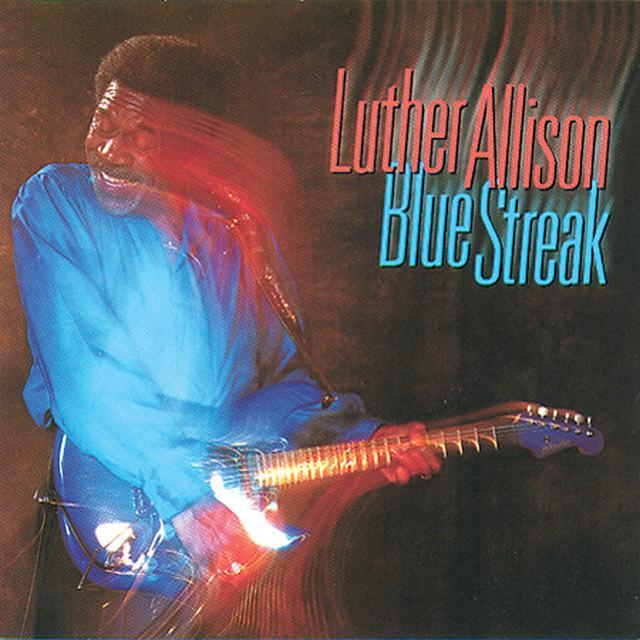
Cherry Red Wine by Luther Allison
The meaning of Cherry Red Wine Luther Allison comes through with unusual clarity: this is a blues warning song about watching someone drink themselves toward ruin. It is not a party track and not a romantic toast. Instead, Luther Allison turns wine into a symbol of slow self-destruction, while the singer stands close enough to feel the fear, guilt, and helpless love in real time.
"Cherry Red Wine" - Luther Allison
Watching you all the time
Watching you baby
Loading lyrics...
Unable to load lyrics
We're unable to display the lyrics at this time. Please try again later.
Allison, an Arkansas-born, Chicago-shaped blues guitarist and singer, built his reputation on intense live performances and fiery electric blues. His career stretched from the 1950s to 1997, and his 1995 album Blue Streak helped fuel a late-career resurgence. He was also known as one of the great modern electric blues players, with deep roots in Chicago blues and gospel-inflected feeling.
A Blues Plea, Not a Lecture
At the center of the song is a narrator who cannot look away. They keep watching you babe
, and that repetition matters. It suggests obsession, but not in a jealous way. This is the obsession of someone witnessing damage and feeling powerless to stop it.
Very early, the song makes its emotional conflict plain: the person being addressed is not just drinking casually. The narrator sees them destroy yourself woman
. That short phrase gives the song its moral weight. This is not framed as bad behavior alone; it is framed as self-harm unfolding in public, in front of someone who cares.
Interpretation: The song works because it does not sound preachy. The speaker is upset, but they do not stand above the other person. They stand beside them, worried and frightened.

Watch the official Cherry Red Wine
music video
The Story Moves From Watching to Warning
The narrative is simple, which makes it stronger. The singer first observes, then worries, then acts. That emotional progression gives the track a real human shape.
The song’s key beats
- They see a loved one drinking constantly.
- They admit they do not know how to help.
- They insist there is still a future worth saving.
- They decide outside help is needed.
- They imagine a grim ending if nothing changes.
That middle section is especially important. When the narrator says there is so much to live for
, the song briefly opens a window beyond despair. It tells the listener this is not just about addiction; it is also about the value of a life that is being wasted.
Why the Doctor Line Changes Everything
One of the most revealing turns comes when the narrator says they are talking you to the doctor
. The wording is rough and direct, like spoken blues rather than polished poetry, but the meaning is clear. Love alone is no longer enough. The problem has moved beyond persuasion.
That moment pushes the song from emotional witness into attempted intervention. It also hints that the drinking may be tied to pain, trauma, depression, or some other struggle going on in your head
. The song does not diagnose anything, and it should not be read as a clinical statement. But it does show a blues narrator recognizing that addiction is not only about the bottle.
Interpretation: This is one reason the song still feels modern. It treats destructive drinking as a crisis that may need medical help, not just shame or punishment.
The Symbol of Cherry Red Wine
The title image is unforgettable because it sounds beautiful at first. “Cherry red wine” suggests sweetness, color, and pleasure. Allison flips that image. The drink becomes a bright, seductive threat.
The final image is the song’s harshest and most memorable warning:
grass that grows on your grave
will becherry red
That is not meant literally. It is a blues exaggeration, but a purposeful one. The image says the drinking has become so powerful that it stains not only the body, but even the world left behind. The color red can suggest temptation, blood, danger, and death all at once.
How the Blues Sound Deepens the Meaning
Because this is a Luther Allison performance, the song’s meaning is not carried by words alone. His blues style matters. Allison was celebrated for forceful guitar playing and emotionally charged delivery, shaped by decades in the Chicago blues tradition and later career highlights with Alligator Records.
In a song like this, the likely power comes from tension between steady groove and emotional strain. Blues repetition mirrors the cycle of addiction: the same fear, the same habit, the same plea, again and again. A strong electric guitar tone can make that pain feel sharper, while a measured tempo keeps the song from turning melodramatic. Instead of rushing, it sits inside the sadness.
That matters for interpretation. If the lyric alone is a warning, the performance makes it a vigil.
Love, Helplessness, and Tough Compassion
What gives the song lasting force is its balance between tenderness and bluntness. The narrator says worry me babe
, which sounds intimate, almost soft. But the overall message is severe. Someone is in danger, and affection will not cancel that fact.
This mix is central to the meaning of Cherry Red Wine Luther Allison. The song argues that real care sometimes sounds uncomfortable. It may involve confrontation, fear, and the admission that one person cannot rescue another by themselves.
There is also no neat ending. The song offers a warning, not a resolution. That choice feels honest. Many blues songs understand that pain does not wrap up cleanly.
Why the Song Still Hits Hard
Listeners still respond to this song because its core scene is timeless: someone watching a loved one slip away and trying to decide what help even looks like. The details are blues-specific, but the emotional truth is broad.
For some, the track will sound like a personal plea to a partner. For others, it may reflect family addiction, depression, or the wider cost of untreated suffering. Those are interpretations, not confirmed facts. Still, the song clearly frames alcohol as both symptom and weapon.
In the end, Luther Allison turns a simple image into a devastating blues message. “Cherry red wine” is not escape. It is the color of warning.
Disclaimer: This interpretation is based on the lyrics, performance, and available artist context. As with most blues songs, different listeners may hear different shades of meaning.







