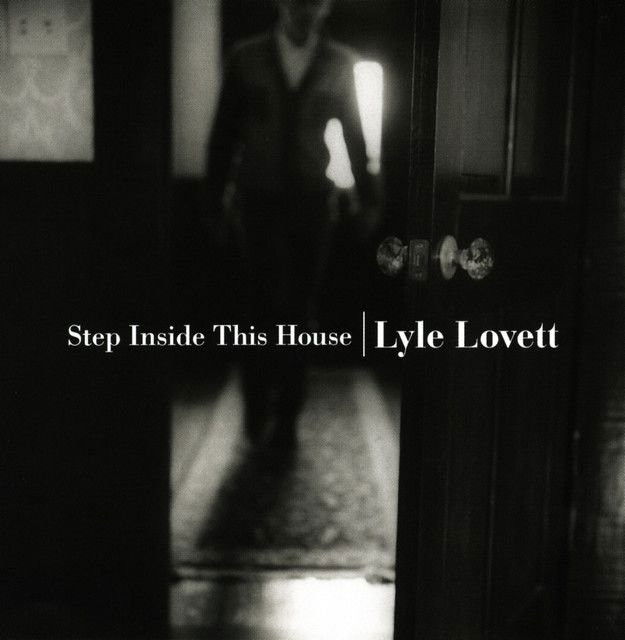
Bears by Lyle Lovett
They come for the humor, but they stay for the heart. Lyle Lovett’s take on Steven Fromholz’s “Bears” reads like a friendly fable about empathy. For listeners searching the meaning of Bears Lyle Lovett, the song turns a shaggy‑creature joke into a guide for living with difference.
"Bears" - Lyle Lovett
Some folks never seen a bear at all
Some folks say that bears go around eating babies raw
Loading lyrics...
Unable to load lyrics
We're unable to display the lyrics at this time. Please try again later.
What This Playful Portrait Really Means
The song stacks perspectives about bears—wild, sweet, scary, and close to home—to show how people form snap judgments. When some claim there ain't no bears in Arkansas
, others tell tall tales. The point is not zoology; it’s how stories shape who gets welcomed and who gets feared.
Interpretation: “Bear” stands in for any outsider—neighbors, relatives, or parts of ourselves we’d rather not face. By the last verse, the narrator suggests we all carry a little wildness, hinting at the bear in me
. Instead of fighting that truth, the song encourages curiosity and care.

Watch the official Bears
music video
A Chorus That Reframes Fear as Praise
At the hook, Lovett delivers a homespun benediction:
No they just don’t come no better than a bear
The chorus flips the setup. After verses filled with rumors, the refrain praises what’s been misunderstood. The repetition works like a smile that grows with each pass, nudging listeners from caution toward celebration. That’s the center of the meaning of Bears Lyle Lovett: fear dissolves when you meet what you’ve imagined.
Who’s Speaking and Who’s Listening
The narrator is a bemused guide who admits confusion—“bewildered”—yet chooses grace. They notice the neighbor with a bear across the hall
and the crowd ready to judge by smell—smelling bad
—or by sweetness—honey sweet
. Interpretation: the audience is anyone tempted to sort people into neat boxes. The song gently pulls them back to nuance.
The Story in Three Beats
- Rumors multiply. Folks deny, exaggerate, or romanticize bears, proving how easily hearsay replaces experience.
- The singer confesses they’re doing their best to “bear up,” a pun that underlines humility rather than certainty.
- The advice arrives: don’t theorize—go meet one. Invite the supposed monster to the table and see what happens.
Symbols and Motifs That Carry the Message
- The Bear: A symbol of otherness—and of the untamed parts of the self. Calling out the
bear in me
invites self‑acceptance. - Smell/Sweetness: Quick judgments flip from
smelling bad
tohoney sweet
, mocking how fickle public opinion can be. - Domestic Proximity: A
bear across the hall
makes the wild intimate, reminding them that difference often lives next door. - Hospitality: The invitation to
take him out to lunch
is radical in its ordinariness. It models a low‑stakes first step toward understanding.
How Lovett’s Sound Smuggles in Kindness
Lovett records “Bears” with the easy warmth he brings to much of Step Inside This House. The arrangement leans acoustic, with an unhurried pulse and conversational singing. That relaxed pocket turns the lyric into a front‑porch chat rather than a lecture. Subtle harmonies and clean picking leave room for the punchlines to land, then linger into something gentler. Interpretation: by avoiding bluster, the production matches the song’s ethic—patience, humor, and welcome.
Why the Humor Matters
Wordplay—“bear up,” “bear in me”—keeps the tone light, but it also lowers defenses. The joke arrives first; the lesson follows. In a culture quick to other people, that sequence matters. Laughter becomes the handoff to empathy.
Alternate Readings Worth Considering
- Social Satire: The song lampoons how communities police difference, from old wives’ tales to moral panics. Evidence: the carousel of claims from denial to exaggeration.
- Personal Growth: The bear represents a person’s shadow side. Naming the
bear in me
is step one; taking it “to lunch” is integration without shame. - Texas Tall Tale: It can simply be a campfire yarn with a wink. Even then, the chorus tilts the heart toward generosity.
The Line That Sticks
The repeated invitation to take him out to lunch
is the thesis in plain clothes. Anyone can start there—no speeches, just a meal. In that move, the song gives listeners a practice, not a posture.
Key Takeaway
Lovett’s “Bears” turns caricature into kinship. It argues that stories about others—whether scary or sweet—tell more about the teller than the subject. The meaning of Bears Lyle Lovett is simple and sturdy: meet the mystery, break bread, and you may find a friend.
Disclaimer: Song meaning is interpretive. The analysis above blends known context with critical reading and is not an official artist statement.