Why 'This Old Porch' Feels Bigger Than a Porch
The meaning of This Old Porch Lyle Lovett starts with a simple image and turns it into something much larger. The porch in the song is not just wood, shade, and steps. It becomes a way to talk about Texas life, aging, memory, work, and the stubborn pride of people who stay rooted even as the world changes.
"This Old Porch" - Lyle Lovett
Standing under a mesquite tree
Out in Agua Dulce
Loading lyrics...
Unable to load lyrics
We're unable to display the lyrics at this time. Please try again later.
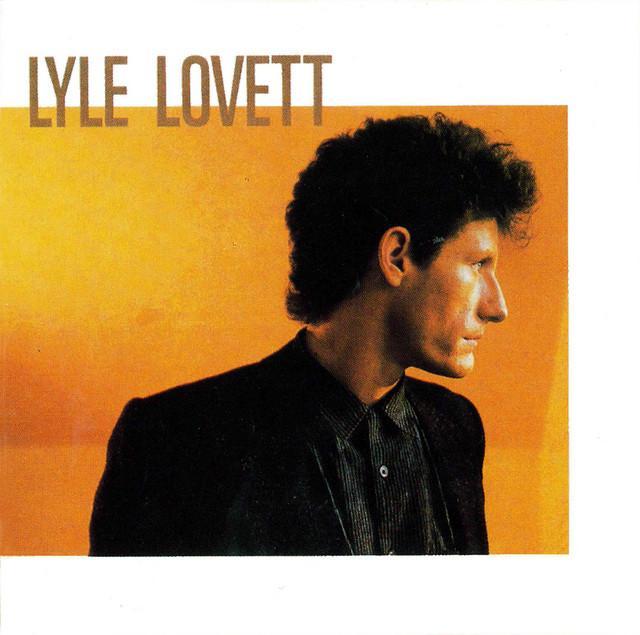
First recorded by Lyle Lovett on his debut album and co-written with Robert Earl Keen, the song has long been treated as one of Lovett’s sharpest portraits of place. It sounds relaxed, but its ideas run deep.
A Porch That Holds a Whole World
At the most basic level, the song praises a familiar country porch. But the writing keeps comparing that porch to other things: food, buildings, old men, weather, and the long passage of time. That piling up of images shows that the porch is really a symbol.
Interpretation: the porch stands for a whole way of living. It is public and private at once. People sit there, watch life pass, swap stories, remember the past, and measure what has been lost.
When the song calls up the porch against the hot August sun
, it ties the place to labor and endurance. This is not a polished Southern postcard. It is sweaty, dusty, and lived-in.

Watch the official This Old Porch
music video
The Song’s Real Subject: Texas Memory
The meaning of This Old Porch Lyle Lovett is deeply tied to Texas. The lyrics mention local details, old businesses, ranch work, and small-town habits. These details matter because they keep the song from feeling generic. Lovett and Keen are not singing about “the country” in a broad way. They are sketching a very specific regional memory.
That memory is loving, but it is not blind. The song notices fading signs, outdated cars, old talk, and an economy that has changed. One of the strongest lines points to how older wisdom gets ignored. The old man remembers the Brazos, cotton, and older ways of life, but now others think he sounds out of date.
Change Is Everywhere, Even on the Porch
This is where the song becomes more than nostalgia. Nostalgia often smooths over hard truths. This song does not. It shows that change can be sad, even humiliating. The old man is still talking, but fewer people want to listen.
That is why a phrase like cotton's all but gone
hits so hard. In a few words, it suggests an entire vanished local economy. The porch becomes the place where those losses are noticed and spoken aloud.
How the Verses Build Meaning
Each verse adds another layer to the porch symbol:
- It is compared to an animal working under heat, which gives it strength and stubbornness.
- It is compared to a rich local meal, which gives it comfort and community.
- It is linked to old storefront culture, which gives it history.
- It is linked to an elderly Texan, which gives it memory and resistance.
- It finally becomes time itself: waiting, forgetting, returning, leaving.
That last move is crucial. By the end, the porch is no longer just a setting. It is the emotional structure of a life.
waiting and forgetting
coming back
not crying about the leaving
Those lines summarize the song’s emotional center. Life on the porch means learning how to endure departures, welcome returns, and carry both without making a show of pain.
What the Refrain Says About Resilience
The repeated ending lines turn the song from description into philosophy. They suggest that life in this world is not neat or triumphant. People fall down. Neighbors talk. Luck turns. Yet the important thing is getting back up.
A sharp phrase like never get back up
captures the pressure of being doubted. The song remembers people who laughed at failure. But it also answers them through survival itself.
Interpretation: this is why the porch matters. It is where defeat gets absorbed into daily life and where pride quietly rebuilds itself.
Sound and Style: Why It Feels So Easy
Part of the song’s power comes from how unforced it sounds. Lovett’s recording leans into acoustic textures and an easy country swing rather than heavy drama. That matters. A louder or more sentimental arrangement might have pushed the meaning too hard.
Instead, the performance feels conversational. Lovett sings with the dry, lightly amused calm that became a signature across his early work, including the album credits. The band leaves room for the images to breathe. Guitar, rhythm, and vocal phrasing create the feel of someone talking on a porch rather than delivering a grand statement.
That relaxed sound mirrors the song’s worldview. Hard lives are not always narrated in tragic tones. Sometimes they are told with wit, detail, and patience.
Artist Context Makes the Song Clearer
Lovett emerged in the 1980s with a style that mixed country, folk, swing, and Texas songwriting tradition. Robert Earl Keen shared that literary, place-driven approach. Their collaboration helps explain why “This Old Porch” feels both plainspoken and carefully made.
The song also fits a larger Texas songwriter habit: using local objects to open onto bigger truths. In that tradition, a porch can carry class, family, labor, weather, age, and belonging all at once.
The Best Way to Read the Ending
By the close, the song offers neither pure celebration nor pure sadness. It suggests that staying connected to a place means carrying its losses too. The porch becomes a witness. It has seen work, meals, talk, heat, insults, departures, and returns.
That is the deepest meaning of This Old Porch Lyle Lovett: home is not innocence. It is memory under pressure. It is the place where change hurts, but where identity survives.
Interpretation disclaimer: Song meanings are not fixed facts. This reading is based on the lyrics, recording style, and known artist context, but listeners may hear the song differently.








