All I Can Do Is Write About It by Lynyrd Skynyrd
A homesick song with a warning inside
The meaning of All I Can Do Is Write About It Lynyrd Skynyrd starts with a simple feeling: they love home, and they fear watching it disappear. On the surface, the song praises Southern landscapes, small-town life, and family roots. But underneath that warmth is grief. The singer has traveled widely, yet keeps returning to one truth: nothing replaces the place that shaped them.
"All I Can Do Is Write About It" - Lynyrd Skynyrd
There ain't no place I ain't never gone
But it's kind of like the saying that you heard so many times
Loading lyrics...
Unable to load lyrics
We're unable to display the lyrics at this time. Please try again later.
That is why the song feels both gentle and uneasy. It is not just a postcard to the South. It is also a protest against modern growth that can flatten local culture and natural beauty. When they sing about no place like home
, they are not only being sentimental. They are saying identity is tied to land, memory, and a way of life.

Watch the official All I Can Do Is Write About It
music video
Where it sits in the Skynyrd story
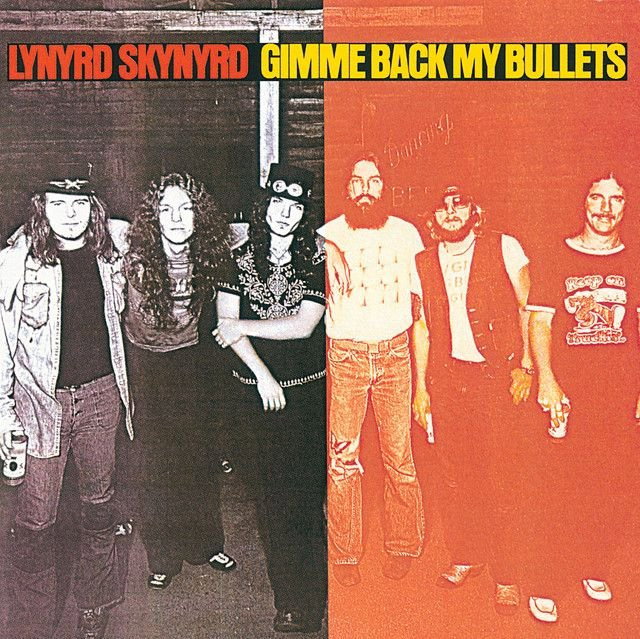
Lynyrd Skynyrd recorded the song for 1976's Gimme Back My Bullets. It was written by Ronnie Van Zant and Allen Collins, two core members of the band. That matters, because the track sounds less like a barroom rocker and more like a personal statement from musicians who had become national stars without losing their regional voice.
The band was often linked to Southern pride, especially after songs like "Sweet Home Alabama." Here, though, they strip that pride down to something quieter and more vulnerable. They are not boasting. They are mourning what development, media stereotypes, and distance can do to a place they still love.
The verses build a map of belonging
The song moves through images of animals, rivers, hills, grass, mountain streams, and country youth. These details matter because they show home as a living environment, not an abstract idea. The line about a mother animal guarding her young suggests protection. The image of a fish moving freely suggests natural order. Together, they create a world that feels balanced and worth defending.
Then the song broadens that vision through places like Carolina and Tennessee. These are not random stops. They help build a Southern geography of affection. Home is bigger than one town, but still local enough to touch, smell, and remember.
One of the smartest moves in the lyric is the question form. By asking if the listener has seen these things, the song invites shared memory. It turns private nostalgia into a public argument: if people truly notice the beauty around them, they might fight harder to keep it.
The chorus admits powerlessness
The emotional center is the refrain all I can do
. They do not claim they can stop change. They do not present themselves as political leaders or moral saviors. Instead, they admit limits. Songwriting becomes witness work.
That admission gives the track its sadness. The singer sees danger coming but lacks the power to reverse it. The key image is concrete slowly creepin'
, a phrase that turns urban spread into something almost alive. Concrete is not just a building material here. It becomes a symbol of sprawl, standardization, and the loss of open land.
all I can do
write 'em in a song
concrete slowly creepin'
In plain terms, the chorus says art may not stop destruction, but it can preserve feeling and tell the truth. Interpretation: this is one reason the song still resonates. It captures the frustration of loving a place while watching larger forces reshape it.
Sound that matches the message
Unlike many Skynyrd songs built on swaggering guitar attack, this one leans into a softer country-rock feel. The arrangement leaves room for acoustic texture and a relaxed tempo, which helps the words land. Instead of sounding angry, they sound reflective.
That production choice is important. A louder, tougher setting might have turned the song into a rally cry. This version feels more intimate, almost like a front-porch confession. Ronnie Van Zant's vocal does much of the work. He sounds weary but sincere, as if they know the argument may not win, yet they need to make it anyway.
The melody also supports the lyric's tension. It is warm enough to sound affectionate, but not so bright that it hides the fear underneath. That balance between beauty and dread mirrors the song's message exactly.
More than nostalgia: media, class, and identity
One verse says they are not attacking big cities, but they are tired of how outsiders talk about Southern people. That is a key shift. The song is not only about land use. It is also about representation.
When they push back against what they write about us
, they suggest that city-centered media often reduces Southern life to a stereotype. The answer is not to reject the whole modern world. It is to insist that rural and Southern life contains dignity, intelligence, and beauty.
The famous idea that you can remove someone from Dixie but not remove Dixie from them sums up the song's deepest point. Home is portable in memory, speech, and values. Even when people leave, the place remains inside them.
The strongest interpretation of the ending
By the end, the repeated prayer to be taken before the change arrives sounds dramatic, but its meaning is clear. They are not celebrating death. They are expressing how painful it would be to see their world fully replaced.
Interpretation: listeners can hear this in two ways:
- as an environmental warning about development
- as a cultural warning about losing regional identity
The power of the song is that both readings fit at once. That blend helps explain why it still speaks to people far beyond the South. Anyone who has watched a hometown become unrecognizable can understand it.
Why the song still matters now
The meaning of All I Can Do Is Write About It Lynyrd Skynyrd remains timely because the pressures in the song never disappeared. Sprawl, cultural flattening, and media caricature are still common American concerns. The song gives those fears a human scale.
It also shows a different side of Lynyrd Skynyrd. Behind the loud riffs and outlaw image, they could write with real tenderness. This track is not about rebellion for its own sake. It is about care: for land, for memory, and for the ordinary beauty people stop seeing.
For many listeners, that is what makes it last. They turn homesickness into testimony.
Disclaimer: This interpretation is based on the lyrics, recording context, and documented band history. As with any song, individual listeners may hear different meanings.







