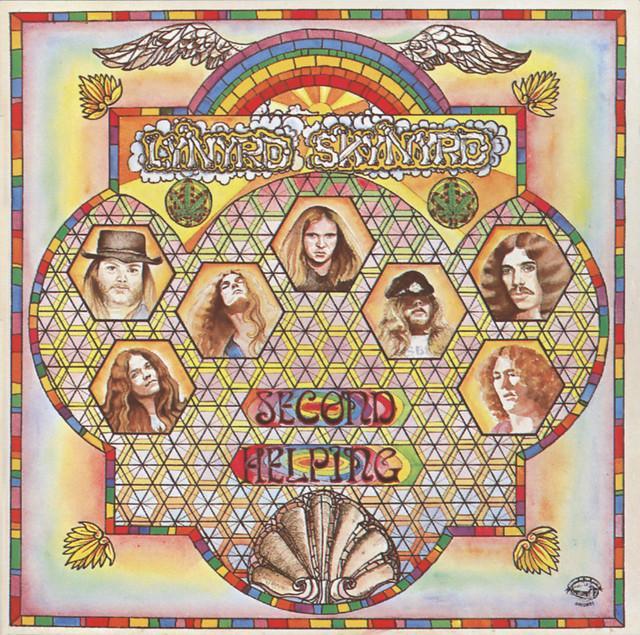
Don’t Ask Me No Questions by Lynyrd Skynyrd
A Southern Rock Pushback Against Fame
The meaning of Don't Ask Me No Questions Lynyrd Skynyrd comes down to one simple feeling: success can make everyone want a piece of them, and that attention can turn exhausting fast. On the surface, the song sounds casual and funny. Underneath, it is a boundary-setting song.
"Don't Ask Me No Questions" - Lynyrd Skynyrd
Nobody wants to let me be
It seems that all the friends I've got
Loading lyrics...
Unable to load lyrics
We're unable to display the lyrics at this time. Please try again later.
Released on Second Helping in 1974, the track was written by Ronnie Van Zant and Gary Rossington and recorded in January 1974 at Record Plant Studios in Los Angeles, according to Wikipedia. Songfacts says the song was aimed at people who ignored the band during its early struggle, then became demanding once fame arrived. That context matters because it turns the lyrics from random complaints into a clear message: they wanted privacy, rest, and respect.

Watch the official Don't Ask Me No Questions
music video
What the Song Is Really Saying
At its heart, the narrator is not rejecting people completely. They are rejecting pressure. The verses describe what happens when they come home and get surrounded by questions, expectations, and interruptions.
The key idea is summed up in the chorus with don't ask me no questions
. In plain terms, they are telling others: if they are not prying, they will not have to hear excuses, half-truths, or a hard goodbye. The line I won't tell you no lies
suggests that endless questions create fake social performances. Silence, in this song, feels more honest than forced conversation.
This makes the song less rude than it first appears. They are not trying to be cruel. They are trying to protect their peace of mind.
The Story Inside the Verses
Home Is Supposed to Be a Safe Place
The opening verse frames the main conflict. Every time they return, people start to interrogate me
. That word choice is important. It makes friendly curiosity feel like cross-examination.
The singer even says he appreciates other people's feelings. That softens the tone. He knows friends and hangers-on may be excited, but he still asks for the same courtesy he gives them: he does not pry into their lives, so they should not pry into his.
Success Brings Comfort and Pressure
In the next verse, the song admits that fame has real rewards. They enjoy money, a new car, good whiskey, and barroom fun. That honesty keeps the song grounded. They are not pretending success is miserable.
But the point is that pleasure does not erase exhaustion. Life on the road takes a toll, and when they return home, they need a break from the motion and noise. Otherwise, as the lyric says, they may lose my mind
. That line gives the song its real emotional center: this is about mental strain as much as annoyance.
Why the Chorus Hits So Hard
The chorus works because it sounds like a joke and a warning at the same time. Musically, it is catchy and relaxed. Lyrically, it draws a line.
Don't ask me no questions
And I won't tell you no lies
That short exchange captures the whole relationship. If other people stop demanding access, the singer will not need to dodge them. Interpretation: the chorus treats privacy as a form of honesty. Instead of pretending to be available, they admit they are tapped out.
There is also a strong Southern plainspokenness to it. The words are direct, conversational, and slightly humorous. That helps the message land without sounding self-pitying.
Small Details That Sharpen the Theme
One funny verse lists trivial questions, including What's your favorite color?
These are not dangerous questions. That is the point. Even harmless chatter becomes irritating when someone is tired and everyone wants access.
Then the song mentions phone calls ruining sleep. That detail moves the theme beyond celebrity annoyance. It becomes about overstimulation. They cannot even rest without someone reaching in.
The final joke about talking fishin'
is revealing too. Fishing suggests simplicity, quiet, and real connection. They do not hate conversation. They hate shallow, intrusive, or business-driven talk.
How the Sound Supports the Meaning
Part of why this song works so well is its groove. It does not sound panicked, even though the lyrics describe stress. Instead, it rides on a loose Southern rock feel with blues roots. Sources note a simple D-C-G guitar pattern, and that simplicity matters. The riff feels natural, unshowy, and grounded, like ordinary speech.
The arrangement also adds color without losing that relaxed edge. Second Helping credits include horns and piano from producer Al Kooper and other players, while the band lineup featured Ronnie Van Zant on vocals, Gary Rossington and Allen Collins on guitars, Ed King on slide guitar and bass, Billy Powell on keyboards, and Bob Burns on drums. Those touches give the song a bar-band warmth. It sounds like a group of working musicians talking back to fame, not becoming polished by it.
Van Zant's vocal is key as well. He sounds irritated, but never out of control. That balance keeps the song believable. The performance says: they are worn down, but they still know exactly what they mean.
Artist Context Changes the Reading
Lynyrd Skynyrd broke through in 1973, and this song arrived just as the band's world changed. Songfacts reports that Van Zant and Rossington wrote it while fishing, which fits the song's desire for escape. It also notes that the single did not chart, while the next single, "Sweet Home Alabama," became far bigger.
That timing makes the song feel like a snapshot of a band caught between local roots and national attention. Interpretation: they were trying to hold onto a working-class identity while the music business began closing in.
Final Take
The meaning of Don't Ask Me No Questions Lynyrd Skynyrd is not mysterious. It is a sharp, funny song about wanting room to breathe after success brings noise, demands, and fake closeness. Its real power comes from how ordinary that feeling is.
Even without sharing the band's fame, many listeners know what it means to come home tired and want silence instead of scrutiny. That is why the song still connects.
Disclaimer: This interpretation is based on the lyrics, recorded performance, and documented context. As with any song, listeners may hear meanings that differ from the artist's likely intent.








