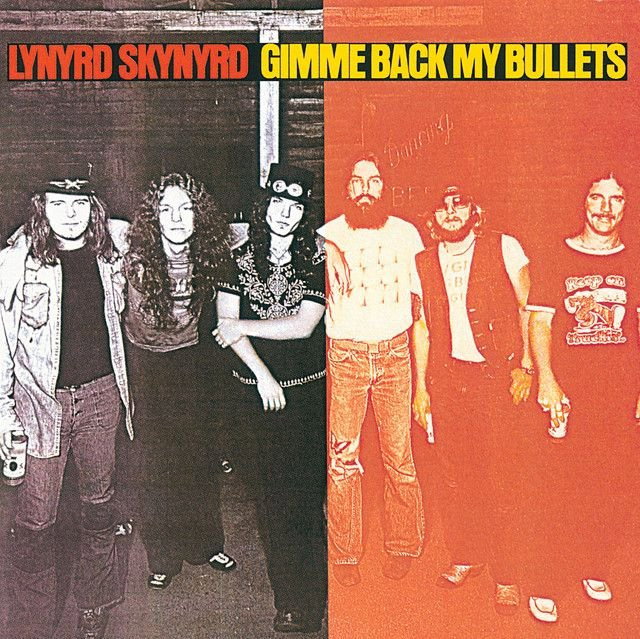
Why 'Gimme Back My Bullets' Hits So Hard
The meaning of Gimme Back My Bullets Lynyrd Skynyrd starts with a simple idea: this is a comeback song. It sounds aggressive, but its real target is pressure, critics, and bad luck. Rather than telling a crime story, the band uses the image of “bullets” as a symbol for power, momentum, and fighting spirit.
"Gimme Back My Bullets" - Lynyrd Skynyrd
Yeah, I've seen the hard times and the pressure's been on me
But I keep on workin' like the workin' man do
Loading lyrics...
Unable to load lyrics
We're unable to display the lyrics at this time. Please try again later.
Released as the title track of Gimme Back My Bullets, the song arrived in 1976, a period when Lynyrd Skynyrd were already famous but still felt underestimated. That tension matters. The song turns weariness into grit, and that is why it still feels so alive.
The Core Meaning Behind the Title
At first glance, the title sounds violent. But in context, the bullets are not literal weapons. They stand for the force the singer feels has been taken from him. When they ask for those bullets back, they are really demanding their edge back.
The chorus phrase Gimme back my bullets
works like a mission statement. It is a refusal to stay beaten down. The next idea, put 'em back where they belong
, makes that even clearer: their strength belongs with them, not with the people or systems trying to stop them.
Interpretation: the song is about reclaiming confidence after setbacks. It uses macho language, but the emotion underneath is familiar and human: they are tired of getting pushed around.
Watch the official Gimme Back My Bullets
music video
Verse by Verse, the Fight Comes Into Focus
The opening sets the mood with life changing fast and pressure building. The singer has seen hard times, but they keep working. That matters because the song does not present them as a victim. It presents them as someone who has taken hits and kept moving.
The line workin' like the workin' man do
ties the song to blue-collar identity. Lynyrd Skynyrd often connected with Southern working-class listeners, and this phrase turns personal struggle into something broader. They are not just defending fame; they are defending dignity.
Later, the song blames sweet-talkin' people
for running them out of town. That suggests industry phonies, false friends, or critics who smile in public and undermine in private. The whiskey image that follows adds wear and tear, hinting at excess and exhaustion without making self-pity the center.
By the final verse, the message sharpens. They have been up and down since youth, lost the dream, then found it again. The attack on pencil-pushers
points toward managers, executives, and business figures who get in the way of the music.
Why the Chorus Feels So Triumphant
The chorus is short, direct, and easy to remember. That simplicity is part of its power. Every verse names a kind of damage: pressure, manipulation, burnout, lost dreams. The chorus answers each one with the same demand.
Ain't foolin' around
ain't gonna see no more damage done
Those lines show the emotional turn. They are done playing nice, and they are done letting other people define the outcome. The song is not begging for mercy. It is drawing a line.
Southern Rock Muscle and Musical Meaning
Part of the meaning of Gimme Back My Bullets Lynyrd Skynyrd comes from the sound, not just the words. The track pushes forward with driving guitars, a steady beat, and Ronnie Van Zant’s firm vocal delivery. There is no soft landing in the arrangement. Everything sounds built for motion.
That matters because the music mirrors the lyrics. The riffs feel like forward momentum. The rhythm section gives the song the stomp of a determined walk rather than the sway of sadness. Even when the lyrics mention pressure and drinking, the band does not sound defeated.
According to the album’s MCA Records page, Gimme Back My Bullets was produced by Tom Dowd, a major studio figure who also worked with rock and soul legends. His style here helps keep the band tight and forceful. The production is cleaner than pure bar-band chaos, but it still leaves room for grit.
Artist Context Changes the Reading
Context is important. By 1976, Lynyrd Skynyrd had already built a reputation through songs full of regional pride, toughness, and suspicion of authority. This track fits that pattern, but it also feels personal. Success had arrived, and so had new pressure.
That is why the song can be heard on two levels:
- Personal level: they are recovering from burnout and betrayal.
- Industry level: they are pushing back against business people and public judgment.
- Public level: they are speaking to anyone who feels counted out.
This layered approach helps explain the song’s lasting appeal. Listeners do not need to know the band’s exact problems to understand the urge to get their “bullets” back.
Alternate Readings Worth Considering
Interpretation: some hear the song as a shot at chart rankings. There is a long-circulating idea that “bullets” refers to the bullet symbol used in Billboard charts for fast-rising songs. That reading is popular, but it is often repeated more as rock lore than as a clearly proven fact.
A broader reading may fit better. The song sounds less like a complaint about one chart detail and more like a full rebellion against anything draining their power. In that sense, the title works because it is flexible. It can point to career momentum, personal pride, or both at once.
Final Take on the Song's Message
The meaning of Gimme Back My Bullets Lynyrd Skynyrd is ultimately about taking back control. The lyrics describe pressure, fake people, business interference, and lost confidence. The chorus answers all of that with defiance.
What makes the song memorable is that it never stays stuck in anger. It turns anger into fuel. They sound bruised, but they also sound ready. That mix of frustration and force is the heart of the track.
Disclaimer: This article offers a good-faith interpretation based on the lyrics, recording context, and public information. Song meaning can remain open to different listener views.








