Why "Curtis Loew" Still Hits So Hard
The meaning of The Ballad of Curtis Loew Lynyrd Skynyrd starts with a simple story: a child sees greatness in a man the rest of town ignores. That tension drives the whole song. On one level, it is a memory piece about a local musician. On another, it is about how talent, race, poverty, and reputation shape who gets respect and who gets forgotten.
"The Ballad Of Curtis Loew" - Lynyrd Skynyrd
Before the rooster crowed
Searchin' for soda bottles
Loading lyrics...
Unable to load lyrics
We're unable to display the lyrics at this time. Please try again later.
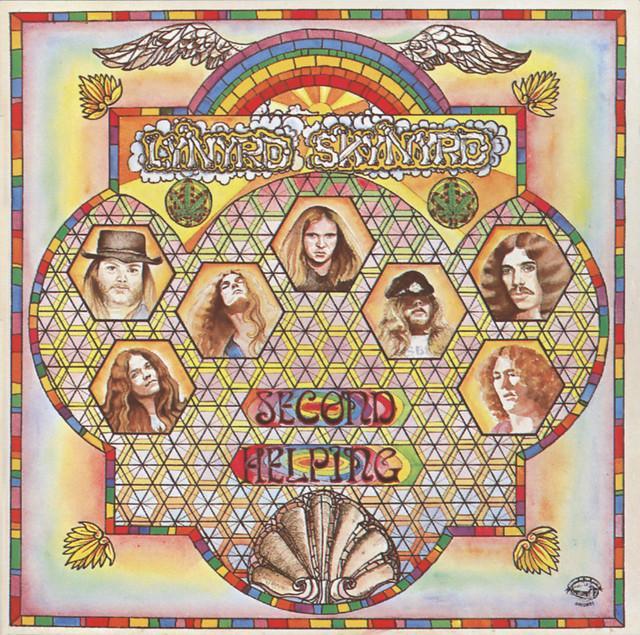
Lynyrd Skynyrd released the song on Second Helping in 1974. Written by Ronnie Van Zant and Allen Collins, it sits inside the band’s Southern rock style, but its heart belongs to the blues. That matters, because the song honors a tradition while also showing how easily a true artist can be dismissed.
A Childhood Memory With a Bigger Point
The narrator remembers waking early, collecting bottles, and taking the money to Curtis so he can hear him play. In plain terms, the child is trading spare change for music and for a feeling of wonder. That setup makes Curtis more than a side character. He becomes a private hero.
The town, though, does not see him that way. They call him useless
, but the song pushes back hard against that judgment. The narrator believes Curtis is the finest picker
around, which turns the ballad into a defense of overlooked genius.
Interpretation: This is why the song feels larger than one memory. It argues that social status is a poor test of value. A person may be poor, addicted, aging, or outcast and still carry beauty that others cannot hear.

Watch the official The Ballad Of Curtis Loew
music video
The Portrait of Curtis Loew
Curtis is drawn with loving detail. He is old, worn down, and dependent on drink. He has an old Dobro, and when he plays, the child is captivated. These details matter because they show both fragility and power in the same figure.
The line about a black man
with white hair is especially important. It places race in the story without turning the song into a speech. Skynyrd connects Curtis directly to the blues tradition, and the later phrase play the blues
makes that link explicit.
In the American South of the song’s setting, that detail carries weight. The blues is presented as a living art created by Black musicians, yet the musician here is not celebrated by his own community or by the wider town. Instead, he is reduced to his habits and hardships.
Play me a song
Tune up your Dobro
That brief chorus moment shows the child’s excitement and dependence. They do not ask for wisdom or comfort. They ask for music, because the music itself is the proof of who Curtis really is.
How the Story Moves From Joy to Loss
The song follows a clear timeline, and that simple structure gives it emotional force:
- A child works small jobs to hear Curtis play.
- Curtis is mocked by others but adored by the narrator.
- Music creates a bond that feels bigger than age or class.
- Curtis dies with little public honor.
- The narrator keeps his memory alive through the song.
That last point is crucial. The ending is sad not only because Curtis dies, but because almost nobody comes to mourn him. The preacher says a few words, and life moves on. The ballad itself becomes an act of repair. It gives Curtis, at least in art, the dignity he did not receive in death.
Sound Matters as Much as Story
Part of the meaning of The Ballad of Curtis Loew Lynyrd Skynyrd comes from how it sounds. The arrangement leans into a loose, earthy groove rather than a polished radio shine. Skynyrd’s guitar attack is present, but the song leaves room for a rootsier feel associated with country blues and front-porch playing.
That choice supports the lyrics. Curtis is not described like a mythic rock star. He is made real through texture: strings, rhythm, and a vocal delivery that sounds affectionate rather than flashy. Ronnie Van Zant sings the story with warmth and sadness, which helps the listener hear admiration instead of pity.
The band’s broader blues influences also help explain why the tribute feels sincere. They were not borrowing blues imagery just for color. They were placing a local, half-forgotten player at the center of a Southern rock song and asking listeners to hear him.
Themes Beneath the Surface
Several themes run through the song at once:
- Respect for hidden talent: Curtis is poor, but the narrator hears greatness.
- Childhood innocence: The child sees value before social prejudice fully sets in.
- Mortality and neglect: Curtis dies without ceremony, which deepens the tragedy.
- Blues as inheritance: His music stands for a cultural tradition larger than one man.
Interpretation: There is also a quiet criticism of how communities decide who matters. Curtis is supported by a child, not by institutions, family prestige, or public praise. That contrast is painful by design.
Why the Song Lasts
What keeps this track alive is not mystery. It is clarity. Nearly everyone knows a version of Curtis Loew: someone rough around the edges, underestimated, maybe even written off, yet unforgettable once they reveal their gift.
That is why the song still connects with listeners in the United States. It speaks to local memory, American music history, and the sadness of watching real talent go unprotected. The chorus keeps asking for one more song, but underneath that request is a bigger wish: that people had truly seen Curtis while he was still alive.
In the end, the song is both tribute and correction. It says the crowd got him wrong. The child did not.
Disclaimer: This article offers a good-faith interpretation based on the lyrics, recording context, and published band history. As with any song, listeners may hear different meanings.








