Was I Right Or Wrong by Lynyrd Skynyrd
The meaning of Was I Right Or Wrong Lynyrd Skynyrd centers on a painful question: what happens when success comes too late to share with the people who mattered most? The song tells a simple story, but it lands hard. A young man leaves home, chases music, proves his doubters wrong, and then comes back to find that his parents are gone.
"Was I Right Or Wrong" - Lynyrd Skynyrd
Once, I was a tumbleweed
Like a rolling stone, cold and all alone
Loading lyrics...
Unable to load lyrics
We're unable to display the lyrics at this time. Please try again later.
That twist turns a pride story into a grief story. What first sounds like rebellion slowly becomes an apology.
A dream-chasing song with a tragic turn
On the surface, the narrator sounds restless and determined. He compares himself to a drifter and outsider, someone who never fit neat rules. Early images like restless leaf
and tumbleweed
suggest motion without stability. They paint him as a young man pushed by hunger, pride, and a need to become somebody.
Then the plot changes. He gets the break he wanted, returns home ready to prove himself, and finds two tombstones
instead of the family audience he imagined. That is the emotional center of the song.
Interpretation: Lynyrd Skynyrd use that moment to show how ambition can solve one wound while creating another. The narrator wins in public but loses in private.

Watch the official Was I Right Or Wrong
music video
Who the narrator is really speaking to
Much of the song feels directed at the father figure. The father once judged him harshly, and that judgment seems to drive the whole journey. The narrator leaves partly out of pride and partly out of hurt. He wants proof that he was never the failure he was called.
But once success arrives, the anger fades. In its place comes longing. When he addresses Papa
, the song no longer sounds defiant. It sounds like someone trying to repair a bond after death, knowing that no career triumph can fully do that.
That is why the title question matters. Was I right or wrong?
is not just about leaving home. It is about whether any victory is worth the distance it creates.
The story unfolds in three sharp stages
1. He starts as a misfit
The opening frames him as a poor fit for school, rules, and expectations. He is treated as a disappointment, so the road becomes both escape and mission. Music gives him a way to build a new identity.
2. He gets the life he wanted
The middle verse brings the classic success symbols: fame, money, travel, status. These are not described as evil. In fact, they are the very things he thought would settle the argument back home.
3. He learns success cannot reverse time
The return home destroys that fantasy. The parents are gone, and all his imagined vindication becomes useless. He can show what he became, but he cannot share it with the people whose approval he wanted most.
Why the chorus hurts so much
The refrain is powerful because it keeps the moral question open. The song never gives a clean answer. He was right to follow his gift, yet wrong if the cost was separation, resentment, or lost time.
That tension is what makes the chorus feel adult rather than preachy. Lynyrd Skynyrd do not turn the song into a lecture about family values or a celebration of stardom. They leave it in the unresolved middle, where many people actually live.
At first I got lost, then I got found
But the ones that I loved were in the ground
This is the song’s clearest summary: personal purpose arrives, but too late to heal the original hurt.
Symbols that carry the message
Several images keep the song grounded and easy to follow:
- Wind and drifting: These suggest a young life without roots.
- The road: It stands for freedom, but also distance from home.
- Fame objects: Wealth and glamour show success, yet they feel shallow beside grief.
- Graves and stones: These bring finality. There is no last conversation coming.
Interpretation: The song’s best trick is that it never attacks the dream itself. Instead, it asks whether the dream can fill an emotional absence. By the end, it clearly cannot.
How the early Skynyrd sound deepens the meaning
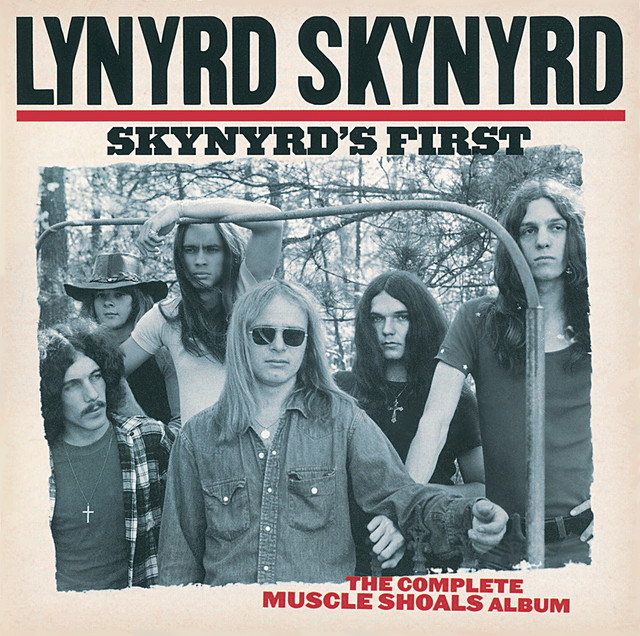
Factually, the track has a long history. It was originally recorded in 1972 at Muscle Shoals, before Lynyrd Skynyrd broke through nationally. It was not on their 1973 debut album. According to Songfacts, it first appeared in 1978 on Skynyrd's First and... Last, which collected those earlier recordings.
That backstory matters because the performance sounds leaner and more vulnerable than some of the band’s bigger arena staples. The guitars still carry Southern rock muscle, but the groove is not built for swagger. Instead, it supports Ronnie Van Zant’s voice as he moves from youthful push to open regret.
The arrangement helps the meaning land. The steady rhythm feels like forward motion, almost like the road itself, while the vocal phrasing keeps circling back toward pain. They sound like a band playing a success story and a funeral memory at the same time.
A useful alternate reading
One reading is literal: a son leaves home, makes it, and returns too late. That is the clearest story.
Interpretation: Another reading is broader. The song can also speak to anyone who spends years chasing validation from people who may never fully give it. In that sense, the graves become more than plot detail. They represent every closed door that success cannot reopen.
Why the song still connects
The meaning of Was I Right Or Wrong Lynyrd Skynyrd lasts because its central conflict is timeless. Many people leave home to become themselves. Many also imagine a future moment when the people who doubted them will finally understand. This song asks what happens if that moment never comes.
Its answer is sad but honest: achievement can prove a point, but it cannot replace love, time, or presence.
Disclaimer: This interpretation is based on the lyrics, recording history, and public song information. As with many songs, listeners may hear different meanings in its story and emotions.







