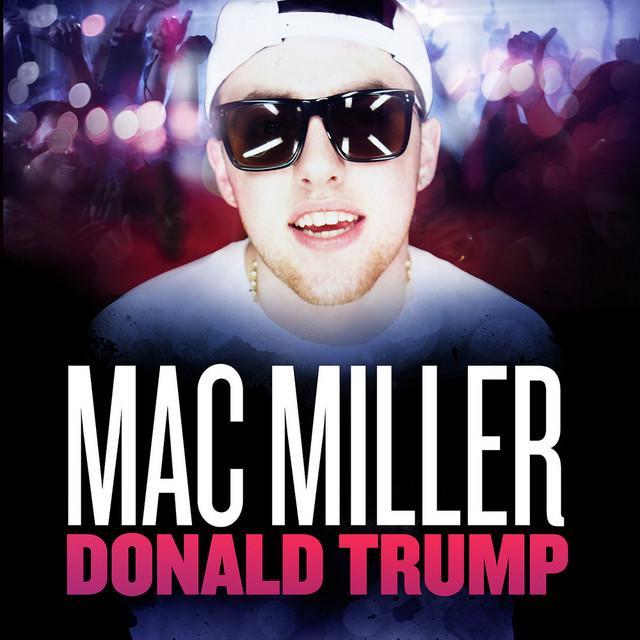
Why Mac Miller's "Donald Trump" Hit So Hard
The meaning of Donald Trump Mac Miller starts with a simple idea: this is a young rapper turning fantasy into momentum. On the surface, the song is about money, attention, parties, and winning. Under that, it is about a local artist imagining a bigger life so vividly that it starts to feel real.
"Donald Trump" - Mac Miller
Ayo, Sap, what's good, bruh?
This man's kinda high out here
Loading lyrics...
Unable to load lyrics
We're unable to display the lyrics at this time. Please try again later.
Released from the 2011 mixtape Best Day Ever, the track became a breakout moment for Mac Miller and his first entry on the Billboard Hot 100, where it peaked at No. 75 according to Wikipedia’s summary of chart history. That matters because the song’s whole emotional engine is aspiration. They are not describing settled greatness. They are performing belief before the world fully agrees.
A brag rap with a clear target
At the core, the song is a victory lap written slightly ahead of the victory. Mac Miller spends the verses contrasting where they came from with where they think they are headed. When they mention being at home, bored, and then dream much bigger, the track shows a mind jumping from ordinary life to celebrity-scale success.
Short phrases like started out here locally
and at my house on the couch
matter because they keep the song grounded. They remind listeners that this is not old-money luxury rap. It is suburban, internet-era ambition. The fantasy works because the starting point feels small and familiar.
Interpretation: that contrast is the song’s real hook. It is less about wealth itself than about closing the gap between anonymity and visibility.

Watch the official Donald Trump
music video
Why the title mattered in 2011
The title can sound very different now than it did then. Factually, Mac Miller later explained that Donald Trump was chosen because he symbolized financial success to many people at the time, not because the song was meant as praise. Wikipedia and Songfacts both summarize that context, and Songfacts cites Miller saying the track has never been an ode
to Trump.
That context is important for readers trying to understand the song in the present. In 2011, Trump was still widely used in pop culture as shorthand for flashy wealth and business power. Mac Miller borrowed that symbol to express oversized ambition. Later, as Trump became a political figure, Miller openly rejected him.
So the title is best read as a timestamp. It captures what success looked like in mainstream culture to a young rapper at that moment.
The chorus turns confidence into a mission
The chorus is where the song becomes bigger than partying. The repeated idea of take over the world
transforms the track from casual braggadocio into a statement of intent. It is not just “they want money.” It is “they want total arrival.”
That is why the hook stuck. It pairs hunger with irritation at doubters. The song keeps returning to haters getting mad, which gives the ambition a rival. Success here is social. It needs witnesses.
Take over the world
watch these haters get mad
Those lines are short, but they carry the emotional plot. First comes the dream of dominance. Then comes the image of people who once dismissed them being forced to watch.
The verses sell a character, not just a lifestyle
Mac Miller’s writing here is not deeply philosophical, but it is effective character work. The narrator is funny, reckless, horny, proud, and very online-era confident. They mix crude jokes with sharp awareness of social hierarchy. Old classmates, doubters, and strangers all become part of the same audience.
Phrases like used to brush me off
and money make benevolence
show two sides of the persona. One is revenge fantasy: people who ignored them now want in. The other is self-mythology: wealth becomes proof of worth, even generosity.
Interpretation: this is why the song connected with young listeners. It captures the feeling of wanting success not just for comfort, but for validation. They want the world to notice that it was wrong about them.
How the beat makes the dream feel real
Production is a major part of the song’s appeal. The track was produced by Sap, and multiple sources note that it samples Sufjan Stevens’ Vesuvius, including Wikipedia. That sample gives the beat a bright, rising, almost airy quality.
Instead of sounding dark or menacing, the music feels open and celebratory. The drums still hit with enough force to support the boasting, but the melodic loop gives the record lift. It sounds like looking at a skyline and believing it belongs to you.
That balance matters. If the beat were heavier, the song might feel meaner. Because it is lighter and more melodic, Mac Miller comes across as eager rather than threatening. The sound helps preserve the youthful charm of the record.
Why the song became a career milestone
The success of the single mirrored its message. It was released first as a free download in February 2011, with a video following in March and a commercial single release in May through Rostrum Records, according to Wikipedia. It later earned Platinum certification from the RIAA, again per that source.
That trajectory makes the song feel almost self-fulfilling. A record about taking over the world became one of the songs that actually expanded Mac Miller’s world. Critics were not always treating it as profound art, but even a brief Rolling Stone description quoted by Wikipedia called it an irresistible bro-down
, which captures its accessible energy.
The lasting meaning today
Today, the meaning of Donald Trump Mac Miller is less about the title than about the hunger behind it. The song preserves an early Mac Miller moment: talented, unpolished, funny, and convinced that bigger things were close. They rap like someone trying to turn imagination into fact.
That is why the track still works. Even with its juvenile edges, it bottles a universal feeling: wanting to outgrow your small beginning and make the people who doubted you pay attention.
Disclaimer: This interpretation separates documented facts about the song’s release and reception from critical reading of its themes and imagery. Meaning can vary from listener to listener.







