'Moto' Runs on Code: Mac Tyer x Ninho Decoded
They don’t just ride; they rule the route. In “Moto,” Mac Tyer and Ninho build a fast, nocturnal world where two wheels mean speed, control, and a clean exit. This guide breaks down the meaning of Moto Mac Tyer, Ninho for U.S. listeners, unpacking the chorus, the imagery, and the sound that powers the message.
"Moto" - Mac Tyer, Ninho
Eh, la plus bonne de tes copines qui donne l'adresse
Binks, binks, binks
Loading lyrics...
Unable to load lyrics
We're unable to display the lyrics at this time. Please try again later.
Night Moves, Clear Code
At its core, the song is about running a street economy with discipline. The crew claims space and time—late hours, urban edges—and declares ownership with the refrain sur la moto, c’est nous
. The bike is not only transport; it’s strategy: small, agile, hard to track, and perfect for a quick pull‑up and a quicker escape.
But the power flex hides risk. A line about someone who donne l’adresse
suggests setups, informants, and betrayals. The crew’s response is simple and cold: act first, think later, then disappear. Interpretation: the motorcycle becomes a code—move fast, keep quiet, never get pinned down.
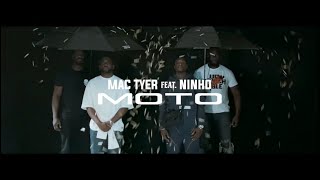
Watch the official Moto
music video
Who’s Speaking, and to Whom?
The verses switch between a veteran’s perspective and a younger grinder’s hunger. Mac Tyer positions himself as a doyen, the elder voice setting rules and calling out weak links. Ninho brings relentless drive and modern tactics. Together, they speak to the crew, the rivals, and a wider audience fascinated by the energy of the streets.
The narrator often speaks in the plural—there’s a lot of “we”—reinforcing solidarity. Phrases like C’est la street, mon pote
function as both warning and rallying cry: play by the rules or pay the price.
What Actually Happens: A Quick Timeline
Interpretation of the plot beats:
- Scouting and intel: a contact “gives the address,” hinting at a target or a hand‑off.
- Late‑night run: the motorcycle arrives; moves happen in minutes, not hours.
- Flash of violence:
Je tire six coups
signals what happens if things go wrong. - Cash focus: repeated cries of
Du plata
center money over emotion or status. - Evasion: burner SIMs, encrypted chats, and careful routes reduce exposure.
This outline isn’t a single story so much as a composite of many nights—how they live, not just what happened once.
Why the Hook Hits So Hard
The chorus fuses identity and intention. The claim sur la moto, c’est nous
marks territory and method: they run the night on two wheels. The follow‑through—arrival, action, exit—compresses the entire code into a few bars. Interpretation: the hook is a mission statement. It tells you how to read everything else—fast money, faster choices, and no wasted motion.
Symbols and Street Signs, Decoded
- Motorcycle: speed, stealth, and tactical edge; the opposite of a flashy, traceable car.
- Money chant:
Du plata
repeats like a metronome. It’s the motive and the measure of success. - Tools of the trade: references to fridge, spoon, and scale outline a production line without naming it outright.
- Tech and logistics: SIM cards, encrypted apps, and mentions of ports sketch a network—from supply to street.
- No‑law zones: the phrase
Zone de non-droit
paints places where the code of the crew outranks any other rule. - Distractions: luxurious living and romantic traps are framed as threats to profit and focus.
Each image adds to the same thesis: efficiency is survival; anything else is risk.
How the Sound Carries the Threat
The beat leans dark and minimal, with a low‑end thump that feels like an engine at idle. Hi‑hats tick in quick bursts, echoing tire chatter on asphalt. Mac Tyer’s voice lands like steel, while Ninho glides, smoothing the edges without removing the menace. The mix stays roomy and cold, letting each brag and warning ring out.
Interpretation: the production mirrors motion—start, surge, vanish. There’s little warmth because there’s little safety. The arrangement keeps tension high and choices simple, just like the life it describes.
Context: Two Generations, One Road
Mac Tyer came up as a hard‑nosed storyteller of the Paris suburbs; Ninho represents a younger wave fluent in melody and hustle. Together, they bridge eras of French rap. The song’s language—street French sprinkled with brand and tech specifics—grounds it in present‑day realities while honoring old‑school codes of loyalty and silence.
Other Ways to Read It
- Interpretation, critique of glamour: the song warns that luxury and desire can drain the business. The flex is filtered through caution.
- Interpretation, performance of power: the violent flashes and bike imagery could be read as theatrical symbols of dominance—tools to build myth and deter rivals.
Both readings can be true at once: the narrative works as survival manual and legend‑making.
The Takeaway
“Moto” isn’t just about a vehicle. It’s about a way of moving: fast, organized, and unforgiving. The crew’s mantra—C’est la street, mon pote
—is less a boast than a boundary line. Cross it without respect, and the night answers.
Note: Song meanings are interpretations and may differ from the artists’ intent or listener experience.








