Why Mac Wiseman’s Song Still Hurts
The meaning of I Wonder How the Old Folks Are at Home Mac Wiseman starts with a simple fear: leaving home can create a kind of pain that follows a person everywhere. In Mac Wiseman’s recording of this older country-bluegrass standard, the singer is not just missing a place. They are worried about the parents they left behind.
"I Wonder How the Old Folks Are At Home" - Mac Wiseman
I wonder if they pray for the boy who went away
And left his dear old parents all alone
Loading lyrics...
Unable to load lyrics
We're unable to display the lyrics at this time. Please try again later.
That is why the song still lands so hard. It turns homesickness into something deeper—love mixed with guilt, memory, and the uneasy knowledge that time keeps moving even when families are apart.
A Ballad Built on Homesickness and Regret
At its core, the song is about someone far from home asking whether their parents are doing all right. The repeated thought, old folks are at home
, is less a statement than a wound they keep touching. They are not only remembering home; they are imagining the emotional cost of their absence.
The opening idea frames everything that follows. When the singer wonders if the parents miss them and still pray for the boy who went away
, the song shifts from nostalgia into regret. They know their leaving may have caused loneliness.
Interpretation: The strongest emotion here may be guilt, not just sadness. The narrator does not say they were forced to leave. The pain comes from realizing that freedom and separation often arrive together.
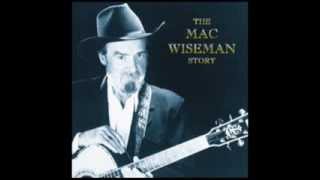
Watch the official I Wonder How the Old Folks Are At Home
music video
The Family at the Center of the Story
This song keeps its focus tight. It does not describe a whole town in detail or tell a long backstory. Instead, it builds around a few treasured relationships: parents, especially a mother, and the loved ones waiting at home.
The mention of a mother's love
matters because it gives the song its moral center. Home is not valuable only because of fields, farm life, or childhood memory. Home matters because it is where care lived.
There is also a brief nod to a sweetheart that loves you
. That line widens the emotional frame. The singer is not leaving behind one bond, but a whole web of belonging. Parents stand at the center, yet the song suggests that community, romance, and family all tie a person to home.
How the Rural Images Carry the Feeling
One reason the song feels so vivid is its use of country images. The farm is not decorative background. It acts like a memory machine.
When listeners hear about cattle lowin'
and fields of bluegrass, they are drawn into sensory recall. The singer can almost hear, see, and feel home again. These details make the past seem close enough to touch, which only increases the ache of distance.
More Than Scenery
The homestead and village are symbols of stability. They suggest routine, safety, and a life shaped by family duty. Against that backdrop, leaving home seems larger than a physical move. It feels like a break from an older moral world.
Interpretation: The landscape may also represent idealized memory. The singer is far away, so home appears in softened, loving images. That does not make the feeling false; it shows how absence can turn memory into something almost sacred.
Why Mac Wiseman’s Voice Fits the Song So Well
Mac Wiseman was known as a major figure in bluegrass and country, often praised for his smooth, emotionally direct singing style. He was later inducted into the Bluegrass Music Hall of Fame, a sign of how lasting his impact was. That polished, heartfelt delivery is a perfect match for a song like this.
Rather than oversinging the material, Wiseman lets the melody carry the grief. The performance usually leans on acoustic textures associated with bluegrass and classic country—guitar, light string accompaniment, and an unhurried vocal line. Those choices matter because they keep the song intimate.
Sound That Stays Close to the Listener
The arrangement does not distract from the lyric. Its plainness mirrors the plainspoken message: a grown child is worried about home. In songs about memory, too much production can weaken the effect. Here, simplicity strengthens it.
Interpretation: Wiseman’s restraint helps the listener feel that these thoughts are happening in real time, as if the singer is quietly confessing them rather than performing them.
A.P. Carter’s Writing and the Song’s Older Values
The song was written by A.P. Carter, one of the key figures behind the Carter Family, whose influence on country music is widely recognized by institutions like the Country Music Hall of Fame. That context matters because the song carries many themes common to early country music: family devotion, rural memory, faith, and the sorrow of parting.
Those values give the lyric its staying power. Even for listeners who did not grow up on a farm, the emotional question feels universal: what happens to the people at home when someone leaves to build a life elsewhere?
I wonder if they miss me while I roam
I wonder if they pray for the boy who went away
That brief moment captures the song’s whole emotional engine. The singer is moving through the world, but their mind keeps traveling backward.
Why the Chorus Keeps Returning Like a Thought
The chorus works because it sounds like a thought a person cannot turn off. Each return to the title idea deepens the sense of helplessness. The singer has no answer, only the same question.
That is the emotional trick of the song. It never fully resolves the worry. Instead, it leaves listeners in the space between love and absence.
Final Take on Its Meaning
The meaning of I Wonder How the Old Folks Are at Home Mac Wiseman is about more than missing home. It is about the burden of knowing that love continues at a distance, and that the people left behind may be hurting too. Through plain language, rural images, and Wiseman’s tender delivery, the song becomes a lasting portrait of family attachment.
For many listeners, that is why it still feels fresh. Nearly everyone knows what it means to leave, remember, and wonder if home is still waiting in the same way.
Disclaimer: This interpretation combines lyrical analysis, historical context, and informed reading. As with any song, listeners may hear meanings that differ from this one.







