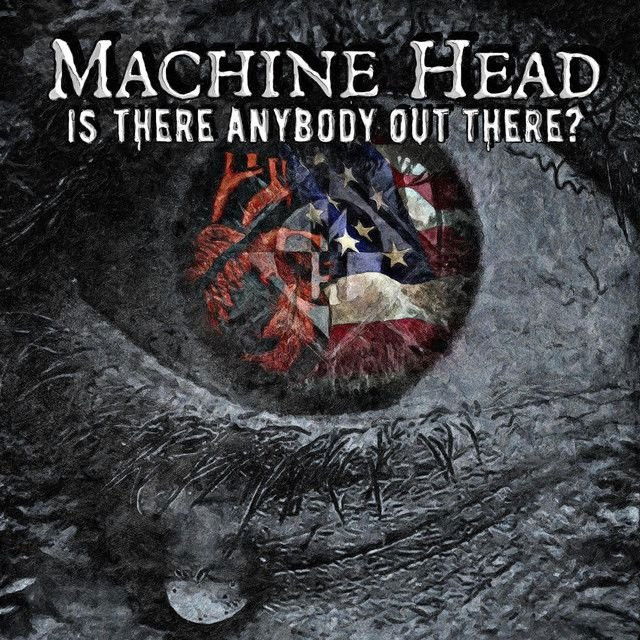
Why Machine Head Asked Who’s Out There
The Heart of the Song
The meaning of Is There Anybody Out There? Machine Head starts with a simple but heavy question: what do people do when they feel cut off from everyone around them?
"Is There Anybody Out There?" - Machine Head
Is there anybody out there?
Is there anybody out there?
Loading lyrics...
Unable to load lyrics
We're unable to display the lyrics at this time. Please try again later.
Machine Head turn that question into a modern metal anthem about isolation, fear, and the need to find someone who understands. The song does not sound quiet or fragile, but its emotional core is vulnerable. Beneath the huge chorus, they present a speaker who feels abandoned, politically disgusted, and emotionally overwhelmed.
Interpretation: the song is not just asking whether anyone is physically present. It is asking whether anyone is listening, whether anyone shares the same fear, and whether connection is still possible in a broken culture.

Watch the official Is There Anybody Out There?
music video
From Personal Wounds to Public Anger
The first verse ties that loneliness to childhood trauma. The speaker describes being unwanted and pushed aside, including the phrase born as a bastard
. The point is not shock value. It frames a life that begins with rejection, then grows into a deep hunger for answers and belonging.
That early pain matters because it explains why the chorus hits so hard. When they ask if anyone is there, they are not being dramatic for effect. They are reaching back through years of silence, trying to overcome a feeling of being forgotten.
The second verse widens the focus. Now the song is not only about private pain but also moral disgust. Robb Flynn said the verse was partly rewritten after the Philip Anselmo “white power” incident, and Loudwire reported that Flynn connected the line about being ashamed of the racists
to his anger over that moment and the wider culture around it.
That context sharpens the song’s meaning. This is not vague rebellion. It is a statement that some old forms of metal “brotherhood” are false if they protect hate.
Why the Chorus Feels So Urgent
The chorus is built around short, direct fears. They ask if anyone is listening, if anyone else is scared, and if anyone feels alone. One key phrase, paranoia, drops me to my knees
, turns anxiety into a physical force.
That matters because the song avoids cool detachment. Instead, they admit fear openly. Loudwire quoted Flynn saying he really did feel scared singing these ideas out loud, especially because he expected backlash. In that light, the chorus sounds less like a slogan and more like a confession.
Does anybody feel lonely?
Disconnected from the things I see
Those lines capture the main emotional problem. The speaker is not just alone; they feel alienated from the world itself. They do not trust what they see around them, and they are searching for people who still share basic human values.
A Song About Connection, Not Defeat
Even with all that pain, the song is not hopeless. One of its most important lines is I ain't going down alone
. That changes the whole message.
Instead of surrendering to fear, they turn loneliness into a call for community. The question “is there anybody out there?” becomes an invitation. If listeners feel lost too, they are being asked to answer back, even silently, by recognizing themselves in the song.
Interpretation: this is why the track connected with many fans. It gives language to a common modern feeling: being surrounded by noise but still feeling unseen.
How the Sound Carries the Meaning
Machine Head make the song’s message land through contrast. The verses are tense and driving, but the chorus opens up into a big, almost arena-sized melody. That shift matters. It mirrors the emotional move from internal pressure to public cry.
The production also helps explain why the song reached beyond their core metal audience. It mixes thick guitars and hard-hitting drums with a hook designed to be shouted back. Flynn himself noted, as reported by Loudwire, that the song was very catchy even while dealing with divisive subject matter.
That catchiness is part of the meaning, not a distraction from it. The song argues that honest pain and wide appeal do not have to cancel each other out. They can work together.
The Most Important Themes in Plain English
Three themes drive the song:
- Abandonment: The opening verse links adult fear to childhood rejection.
- Alienation: The chorus shows a person cut off from others and from their surroundings.
- Moral courage: The later verse rejects racism and the silence that often protects it.
The bridge adds a final push toward resilience. When they say to live fully now and dream beyond the moment, the song briefly steps out of panic and into survival mode. It sounds like a person trying to coach themselves through despair.
Why the Song Still Resonates
The meaning of Is There Anybody Out There? Machine Head lasts because its fears remain current. Many people know what it is like to feel isolated, anxious, or ashamed of the ugliness around them. The song gives those feelings a loud, direct shape.
It also stands out in Machine Head’s catalog because it balances melody with confrontation. They are not only venting. They are asking for solidarity.
Final Take
At its core, this is a song about searching for human connection in a hostile world. It begins in personal trauma, expands into social anger, and ends by refusing silence.
That is the power of the track: it screams into the dark, but it does so because they still believe someone might answer.
Disclaimer: This interpretation is based on the lyrics, public comments, and musical context. Like all song analysis, some meaning remains open to listener interpretation.









