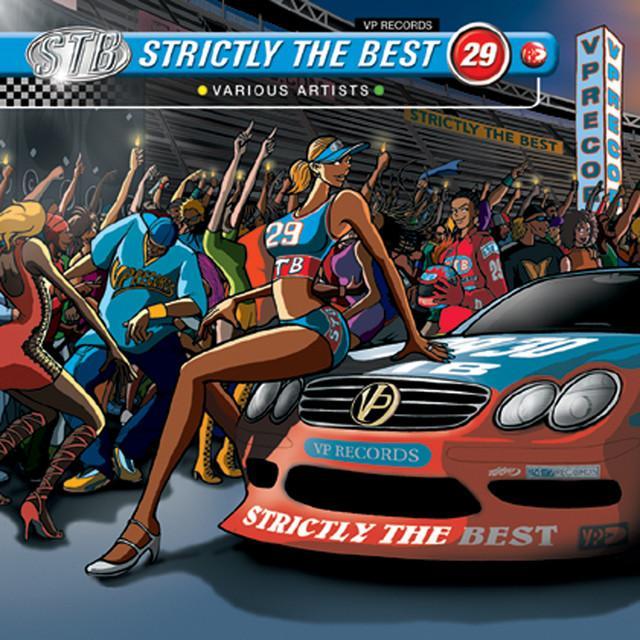
Press Trigger by Mad Cobra
A hardline warning at the song’s center
The meaning of Press Trigger Mad Cobra is blunt: this is a threat song built on intimidation, retaliation, and survival politics. The narrator does not present themself as someone who argues for long. Instead, they frame action as the answer to disrespect, betrayal, or any move against their livelihood.
"Press Trigger" - Mad Cobra
Caan see bwoy ago try tek man food
A wah? Yo, let mi tell yuh somethin', yo
Loading lyrics...
Unable to load lyrics
We're unable to display the lyrics at this time. Please try again later.
That core idea shows up right away in the hook. When Mad Cobra says press trigger
and contrasts it with press people button
, he draws a line between talking and acting. In plain terms, the song says they are not interested in verbal sparring or petty provocation. They claim to skip straight to force.
For U.S. listeners, it helps to hear this as part of a long dancehall tradition of “badman” performance. That does not make the song harmless, but it does place it in a genre language where power, menace, and reputation are often exaggerated to project control.
Watch the official Press Trigger
music video
Mad Cobra’s persona and the dancehall frame
Mad Cobra built a career on fierce delivery and confrontational tracks. He is a Jamaican deejay whose catalog moves between slackness, swagger, and violent toughness, depending on the song. That context matters because “Press Trigger” works less like a diary entry and more like a performance of authority.
Factually, the song also gained a longer afterlife because its vocal was reused in Teddybears’ Cobrastyle, which helped carry this hook into pop culture far beyond dancehall. That crossover does not change the original meaning, but it shows how sticky the chant-like refrain is.
How the verses build a world of pressure
Food, enemies, and retaliation
One of the song’s key ideas is protection of “food,” meaning income, status, and basic survival. Early on, the narrator warns against anyone trying to tek man food
. That phrase widens the song’s message. This is not only about pride; it is also about defending access to money and security.
The enemies in the song are described as schemers, fake friends, and jealous watchers. They sit back, observe, plan, and look for weak spots. In response, the narrator promises punishment rather than negotiation. The repeated warning dig hole a two
means anyone plotting against them should expect consequences too.
No patience for talk
Another theme is impatience with speeches, excuses, or public posturing. The song repeatedly dismisses words as empty. In that mindset, reputation comes from willingness to act, not from sounding tough.
Anytime they ready
start war
Anytime they ready
This short passage captures the song’s posture. The narrator claims total readiness, almost inviting conflict just to prove they are never caught off guard.
What the chorus really means
The chorus is the song’s thesis, and it is why the track sticks in the memory. The hook is simple, rhythmic, and easy to chant, but its meaning is severe. By saying they do not “press people button,” the narrator rejects the idea of annoying, teasing, or provoking in small ways. They present themself as someone who responds at the highest level from the start.
Interpretation: That line is also about image management. In dancehall, a strong hook often doubles as a brand statement. Here, Mad Cobra turns a threat into a slogan. It tells rivals how to read him and tells listeners what role he is playing: the one person in the room who should not be tested.
Sound, delivery, and why the menace lands
The production supports that message through repetition and force. The beat is lean and percussive, leaving lots of space for the voice to hit hard. Rather than burying the vocal in melody, the track puts cadence first. That matters because the song’s power comes from command, not emotional confession.
Mad Cobra’s delivery is clipped, aggressive, and almost conversational in places, which makes the threats feel more immediate. He does not sound dreamy or distant. He sounds like someone speaking across a short distance with no interest in misunderstanding.
Interpretation: The repetitive structure mirrors the mindset of the song. It does not evolve toward reflection or regret. It circles the same vow again and again, as if repetition itself is a form of dominance.
Violence as style, warning, and social code
There is no soft way to say it: “Press Trigger” is full of violent imagery. The lyrics imagine shootings, revenge, and silencing witnesses. Those details create a world where conflict escalates fast and mercy is not expected.
Still, the song is not just random brutality. It follows a harsh internal logic. Rivals threaten business, fake friends leak secrets, and disrespect invites response. In that code, power comes from being feared before a confrontation even begins.
For that reason, the song can be read in two ways at once:
- Factual reading: it is a direct badman anthem built around threats.
- Interpretive reading: it is also a performance of reputation, where sounding unstoppable is the whole point.
Both readings fit the text. The song wants listeners to believe that danger is always close and that survival depends on never appearing weak.
Why the song still echoes beyond its era
Part of the reason people still recognize this track is its hook’s second life in Teddybears’ crossover hit. In that new setting, the phrase became playful and kinetic for many listeners, even though its roots are much darker. That contrast says a lot about how dancehall lines can travel: a hard street warning can become a pop-cultural chant once removed from its original frame.
In the original song, though, the meaning of Press Trigger Mad Cobra stays clear. It is about drawing a line, defending status and survival, and using fear as protection. There is no apology in it, and very little ambiguity about its mood.
Final takeaway
“Press Trigger” is a confrontational dancehall track where Mad Cobra turns threat into identity. Its repeated hook, spare beat, and relentless tone all serve one message: they want rivals to know that words are over and consequences come fast.
Disclaimer: This interpretation is based on the lyrics, performance style, and available context. Song meaning can remain open to different readings.








