Why Mad Season's Doubt Hits So Hard
The meaning of I Don't Know Anything Mad Season starts with a blunt idea: this is a song about collapse of certainty. Mad Season do not dress that feeling up in poetry alone. They hammer it home with repetition, heavy guitar, and a vocal that sounds cornered.
"I Don't Know Anything" - Mad Season
I don't know anything
I don't know anything
Loading lyrics...
Unable to load lyrics
We're unable to display the lyrics at this time. Please try again later.
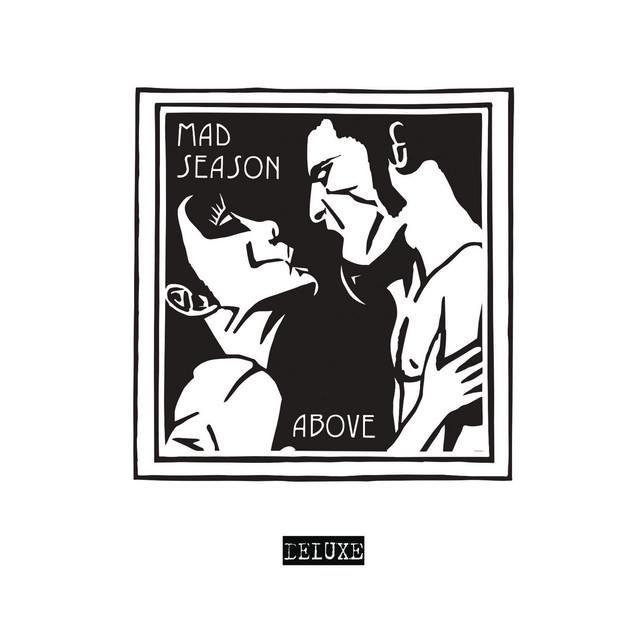
Released in 1995 as the second single from Above, the track came from Mad Season’s only studio album and later reached No. 20 on Billboard’s Mainstream Rock chart. It was recorded in 1994 at Bad Animals Studio in Seattle and credited to Barrett Martin, Mike McCready, John Baker Saunders, and Layne Staley. Those basic facts come from the song’s release history and credits as documented by reference sources.[1]
The Core Meaning Hides in Plain Sight
At its center, the song is about identity breaking down under pressure. The repeated line I don't know anything
is not casual confusion. They use it like a mental alarm.
As the song continues, that uncertainty becomes more personal with phrases like who I am
and who to be
. That shift matters. The speaker is not just unsure about the world; they are unsure about the self.
Interpretation: This can be heard as a portrait of depression, addiction-era disorientation, or a broader spiritual crisis. The lyrics do not lock into one explanation, but they clearly point to a mind that feels stripped of stability.
Watch the official I Don't Know Anything
music video
A World Full of Hate, Noise, and Pressure
The verses widen the frame beyond private pain. When the song asks why people live with so much hate
every day, it connects personal confusion to a hostile environment. The narrator seems overwhelmed by both inner chaos and outer aggression.
That is one reason the song still feels sharp. It suggests that identity does not fall apart in a vacuum. Constant conflict, judgment, and emotional violence can make a person feel unable to trust their own mind.
The question am I sane?
is especially revealing. It is brief, but it turns the song from social complaint into something more frightening. They are not only judging the world around them; they are checking whether their own perception can survive it.
The Most Disturbing Image in the Song
One of the song’s hardest moments brings in a memory of punishment at school. The image of a teacher striking the speaker’s hand with a ruler suggests discipline, shame, and learned pain. Instead of reacting with simple fear, the narrator says they laughed.
That detail makes the moment stranger and sadder. Laughter here does not sound joyful. It sounds defensive, numb, or damaged.
When the teacher put the ruler down on my hand
I laughed
After that, the song moves into blood imagery, making the emotional world feel even more broken. Interpretation: This section may show how hurt becomes internalized. Pain is no longer surprising, so the speaker meets it with a detached or warped response.
How the Chorus Turns Ignorance Into Despair
The chorus works because it is so simple. Repeating the same line over and over should make it weaker, but here it does the opposite. Each return sounds less like a statement and more like a confession.
That repetition creates a trapped feeling. There is no new insight, no escape, no lesson at the end of the verse. The song keeps circling the same void.
This is a major part of the meaning of I Don't Know Anything Mad Season. The song is not trying to solve uncertainty. It is making listeners sit inside it.
Why the Music Feels So Heavy
The arrangement is a big part of the message. Reference notes on the song’s composition describe the verse as built around a droning, overdriven guitar melody centered on harmonics.[1] That matches what listeners hear: a guitar part that feels suspended and abrasive at the same time.
Mike McCready’s playing does not rush toward release. It hangs in the air, creating tension. Barrett Martin’s drums and John Baker Saunders’ bass keep the track grounded but uneasy, while Layne Staley sings with a mix of force and exhaustion.
The result is music that sounds stuck between anger and emptiness. That matters because the lyrics are also stuck between protest and surrender. Sound and meaning pull in the same direction.
Mad Season Context Helps Explain the Song
Mad Season was a Seattle supergroup made up of musicians already associated with grief, addiction, and the emotional intensity of the 1990s rock scene. That context does not reduce the song to biography, but it does help explain why it feels so raw.
Above often deals in spiritual hunger, deception, isolation, and the search for recovery. Within that album, "I Don't Know Anything" stands out as one of the bluntest expressions of confusion. Where some Mad Season songs sound reflective, this one sounds cornered.
It was also a strong live song, first performed in October 1994 at Seattle’s Crocodile Cafe, with a later live version appearing on releases tied to the single and Live at the Moore.[1] That live history fits the track’s energy: it is confrontational and physical, built to hit hard in a room.
Two Strong Ways to Read It
There are at least two useful interpretations:
- Inner crisis: The song captures a person losing grip on identity, sanity, and emotional control.
- Social indictment: The song argues that a hateful, punishing world helps create that collapse.
The strongest reading combines both. The outer world is violent and degrading, and the inner self absorbs the damage until it can only repeat I don't know anything
.
The Lasting Takeaway
What makes this song memorable is its honesty. It does not pretend confusion is noble or glamorous. It sounds painful, repetitive, and lonely.
That is why the meaning of I Don't Know Anything Mad Season still lands today. Mad Season turn uncertainty into a full emotional landscape, where identity, memory, and social pressure all blur together.
Disclaimer: This interpretation is based on the lyrics, performance, and available song context. As with most art, listeners may hear different meanings in the song.







