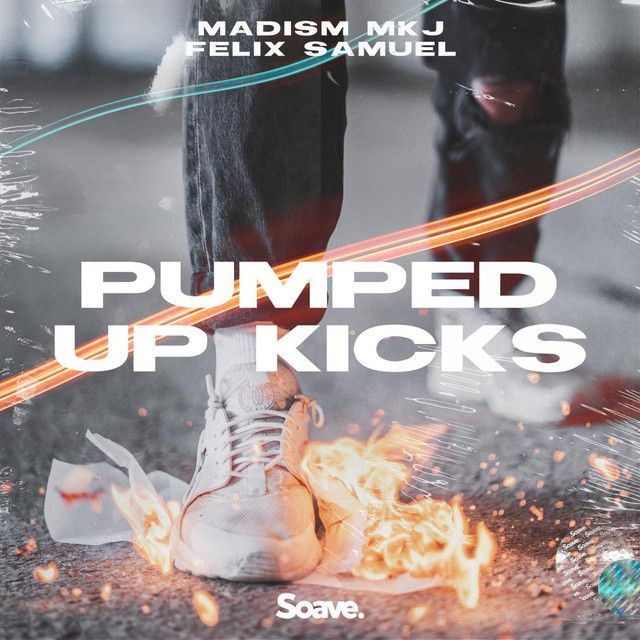
Meaning of 'Pumped Up Kicks' — Madism, MKJ & Felix Samuel
A beach-bright beat meets a dark story. That tension is the heart of the meaning of Pumped Up Kicks Madism, MKJ, Felix Samuel: a dance-floor refit of Foster the People’s indie-pop hit that keeps the cautionary tale intact while turning the groove toward modern house. The result sounds carefree at first—until the words sink in.
"Pumped Up Kicks" - Madism, MKJ, Felix Samuel
He won't look around the room, he won't tell you his plans
Got a rolled cigarette
Loading lyrics...
Unable to load lyrics
We're unable to display the lyrics at this time. Please try again later.
Sunshine Over Shadows: What This Cover Is Really Saying
This version keeps the original narrative about a teen named Robert whose fantasies curdle into threat. Phrases like quick hand
and a found six-shooter gun
sketch a character who feels ignored and turns that isolation into power. The sweetness of the production isn’t there to glamorize him; it spotlights the disconnect between how danger can look on the surface and what it really is.
Watch the official Pumped Up Kicks
music video
Who’s Talking, And Why It Matters
The verses start in third person, observing Robert as if from the hallway. Then the voice slips into first person, revealing his own thoughts. A line like Daddy works a long day
hints at distance at home—a detail that explains, but doesn’t excuse, the spiral. That shift from observer to “I” makes the threat feel uncomfortably close.
The Hook’s Warning Beneath The Bounce
The chorus is sticky on purpose. The stylish kids with pumped up kicks
become targets for the narrator’s resentment. Commands—run, better run
and faster than my bullet
—turn envy into menace. Interpretation: the refrain exposes how status culture can breed cruelty, and how the hunger to belong can twist into a bid for control.
How The Sound Reframes The Story
Madism and MKJ set a crisp four-on-the-floor kick, buoyant bass, and sunlit synth plucks under Felix Samuel’s smooth topline. The groove nudges the tempo up and lifts the harmony in the chorus, so the hook feels weightless even as the words darken. That glossy finish deepens the irony: listeners might dance along before realizing they’re moving to a warning. It’s a deliberate tension—pretty on the outside, unsettling at the core.
Symbols You Hear Without Seeing
- Shoes/status: The “kicks” stand in for coolness and clout.
- Gun imagery: A shorthand for imagined power—and real harm.
- Cigarette/cool pose: Posturing as control while losing it.
- Working father: Distance at home, not necessarily neglect, but a gap.
- “Cowboy” aura: A fantasy of rugged control that masks fear.
Each image pushes the same theme: when belonging feels out of reach, some grasp for dominance instead of connection.
Artist Context That Shapes The Read
Mark Foster wrote the song to explore the mindset of an isolated youth and to spark awareness around warning signs, not to celebrate violence. That stated intent from the original carries into any cover. By translating the track into bright, melodic house, this team makes the message more accessible to today’s playlists while keeping its caution intact. The pleasant gloss actually sharpens the critique: danger can look charming until you listen closely.
Alternate Lenses Listeners Use
- Interpretation: A bullying parable, where the narrator flips from victim to would-be aggressor, revealing how cycles of cruelty form.
- Interpretation: A culture critique, with the “kicks” standing in for consumer status games that distract peers and adults from obvious red flags.
- Interpretation: An unreliable narrator, whose tough talk masks fear and fantasy more than intent—still a warning sign that shouldn’t be ignored.
Each angle returns to the same center: surface cool versus inner collapse.
Takeaway That Sticks After The Drop
They’ve built a summer-bright frame around a winter-dark picture. That contrast is the point. The cover lets listeners enjoy the groove while nudging them to notice the story—and to ask why it’s so easy to dance past danger.
Disclaimer: Song meanings are interpretations based on lyrics, sound, and public context. Your read may differ—and that’s part of the listening experience.








