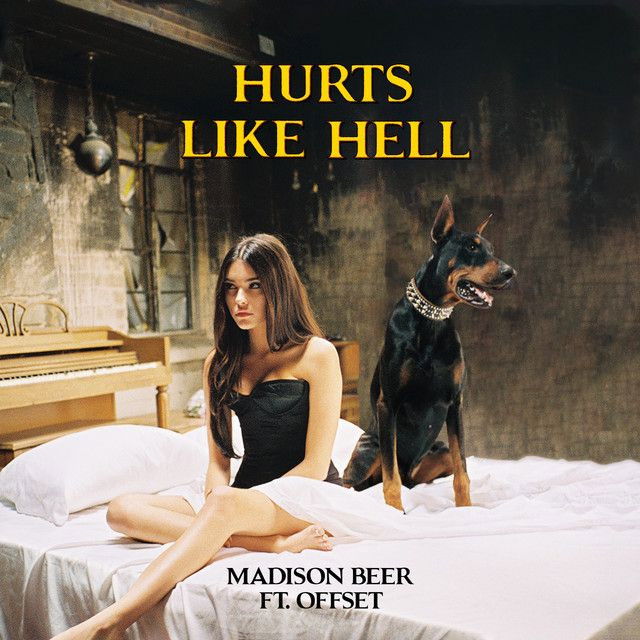
The Meaning of 'Hurts Like Hell' (Madison Beer, Offset)
A breakup can spark rage, clarity, or both. The meaning of Hurts Like Hell Madison Beer, Offset lives in that intersection—revenge-colored pop that flips heartbreak into control. Released in 2018 as a standalone single, it frames infidelity not as tragedy but as a power pivot.
"Hurts Like Hell" - Madison Beer ft. Offset
I really hope it hurts like hell
(I really hope it hurts like hell)
Loading lyrics...
Unable to load lyrics
We're unable to display the lyrics at this time. Please try again later.
And I hope it hurts like hell You shoulda never let me go I know I’m messing up your mind The devil got you good this time
Here, the chorus sets the mission statement: pain loops back to the cheater. It’s not about getting even so much as refusing to be small. The hook is a spell, and it’s cast with a grin.
Why This Breakup Anthem Hits Like a Flame
At heart, the song is a scorched‑earth kiss‑off. Instead of pleading, Madison Beer imagines the ex unraveling. The tone is confident, not crushed, using the language of punishment to restore self-worth.
They underline that shift with specifics. She recalls shared highs and then refuses nostalgia’s pull. The emotional center isn’t loss—it’s leverage. In this reading, the title line hurts like hell
becomes less a wish for suffering and more a boundary set in fire.

Watch the official Hurts Like Hell
music video
Who’s Speaking, and Who’s Supposed to Feel It
The narrator speaks in first person to a former partner who betrayed them, casting him as the one now paying the cost. Lines like left me for a girl
sketch the fracture, while fingertips on the edge
paints the aftermath—an image of a sleepless, guilty body hanging on the lip of rest.
Offset’s verse flips the camera. He spits accusations back, bragging and bleeding at once. That reversal keeps the song from being a simple monologue; it’s a duel of unreliable narrators. The tension between her icy poise and his spiky defensiveness mirrors how breakups sound in real life: messy, loud, and contradictory.
From Honeymoon to Payback: The Mini‑Plot
The lyrics move through a clear arc:
- Early devotion and promise, then relapse into cheating.
- Public bravado masking private regret for the ex.
- Memory flashes—a
trip to Cabo
and luxury scenes—now feel empty. - The chant becomes a verdict:
You shoulda never let me go
.
This timeline matters because the hook doesn’t arrive in a vacuum; it answers betrayal with a thesis. By the time the chorus lands, the listener understands why the speaker won’t apologize for wanting consequences.
Images and Hooks That Make the Message Stick
The song leans on punchy, cinematic details. The bed-edge image suggests insomnia and moral slippage. Travel snapshots weaponize past intimacy: the getaway becomes proof of what was lost, not a place to linger.
Hell language is central. The repeated title phrase is hot, direct, and theatrical, while devil got you good
adds a moral frame—temptation, manipulation, and karma. These motifs make the track feel bigger than one breakup, as if fate itself has taken a side.
Sound, Credits, and Cultural Context
Production-wise, this is dark-pop fused with hip‑hop. A heavy bass bed, sharp hi‑hats, and clap‑driven percussion create a stomping, confrontational groove. The hook arrives like a chant at a pep rally for the brokenhearted—simple enough to shout, sharp enough to sting.
Madison Beer’s vocal is cool and focused; she sells power by staying controlled. Stacked harmonies thicken the chorus, while ad‑libs and drops punch the beat like exclamation points. Offset’s verse, full of internal rhymes and raw jabs, contrasts her polish and dramatizes the conflict.
Behind the scenes, the credits explain the pop precision. Songwriting includes Madison Beer, Offset, Charlotte Aitchison (Charli XCX), and the trio The Invisible Men (George Astasio, Jason Pebworth, Jonathan Shave), plus Mike Sabath. The Invisible Men and Sabath’s fingerprints are all over the tight hook architecture and hip‑hop sheen.
Culturally, the track fits a late‑2010s wave of assertive breakup anthems that sound like victory laps rather than diaries. It’s built for playlists and catharsis—press play when anger needs rhythm and a mantra.
Lenses You Can Use + Final Note
Interpretation: One can hear this as revenge fantasy—imagined hurt as a form of closure. Another reading treats it as boundary‑setting pop: the narrator is not demanding literal pain, but insisting that actions carry weight.
Offset’s perspective opens a third angle: maybe both sides are spinning their own stories to dodge blame. That ambiguity is the point. The song stages the argument and lets the hook deliver the ruling.
Takeaway: The meaning of Hurts Like Hell Madison Beer, Offset is empowerment through refusal. It turns betrayal into fuel and a chorus into armor. Not all heartbreak songs ask for sympathy; some light a match and walk away.
Disclaimer: Song meanings are subjective. This analysis draws on the lyrics, credited context, and production choices; listeners may hear it differently.








