
Why 'Smile' by Maisie Peters Bares Its Teeth
The meaning of Smile Maisie Peters starts with a sharp reversal: a smile usually signals warmth, but here it works like a threat. The song turns sweetness into armor. Instead of asking to be liked, the speaker decides they would rather be respected, even feared, than controlled.
"Smile" - Maisie Peters
Yeah, this smile is a loaded gun
It's my party, my body, my business
Loading lyrics...
Unable to load lyrics
We're unable to display the lyrics at this time. Please try again later.
That switch gives the track its spark. “Smile” is not a sad breakup song dressed up as pop. It is a refusal song. It tells the listener that being pleasant has a limit, and once that limit is crossed, the speaker stops apologizing.
The Real Message Hiding Behind the Hook
At its core, the song is about self-possession. The speaker claims ownership over their life, body, choices, and public image. Early lines pile up those claims, making the message feel deliberate rather than emotional chaos.
When they say It’s my party
and my body, my business
, the point is bigger than one argument. They are drawing a circle around the self. Inside that circle, no ex, rival, or outsider gets a vote.
Interpretation: That is why the song feels so aggressive but also so freeing. It is less about revenge for its own sake than about ending a pattern of being managed, dismissed, or underestimated.
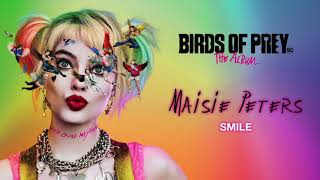
Watch the official Smile
music video
From Nice Girl to No More Niceness
One of the song’s clearest themes is the rejection of feminine politeness. The repeated No more Mrs. Sweet
idea matters because it names a role the speaker is quitting. They are done being the easygoing version of themselves that makes other people comfortable.
That gives the song a social edge. It is not only about one bad relationship. It is also about the pressure many women feel to stay agreeable, stay quiet, and keep smiling even when someone crosses a line.
The line Shut-Up-And-Smile
is especially important here. It captures a familiar demand in just a few words: look pleasant, say less, and accept what is happening. The song’s answer is simple—no.
How the Verses Build a Character
The verses create a speaker who is theatrical, funny, and dangerous in a cartoon-pop way. They are not quietly healing. They are kicking down the door on their way out.
A few key moves shape that persona:
- They announce separation:
bridges to burn
means some ties are beyond repair. - They show speed and motion: “places to run” suggests they are already moving on.
- They reject scarcity: there are “plenty” of new options, so they will not beg anyone to stay.
- They widen the target from one man to a whole culture of entitlement.
That last point matters most. Near the end, the song shifts toward career and authorship, mocking boys who try to claim their work. That broadens the meaning from personal conflict to creative ownership.
The Chorus Turns Charm Into a Weapon
The central image is smile is a loaded gun
. The song does not mean that literally. It uses violent language as pop exaggeration, turning emotional readiness into a flashy symbol.
Interpretation: The smile stands for a polished public face. The “loaded gun” part suggests that beneath that polished look is stored-up anger, confidence, and strategy. In other words, the speaker knows how to look harmless while being fully prepared to act.
That contrast is what makes the chorus memorable. It mixes beauty and danger, glitter and threat. Maisie Peters often writes with that kind of tension—very conversational lines carrying feelings that are messy, dramatic, or cutting.
Sound and Delivery: Why It Feels Like a Victory Lap
Even without outside production credits confirmed here, the track’s style can still be discussed from the recording itself. The production feels fast, bright, and punchy, which keeps the anger from sounding heavy. Instead, it lands as witty and energizing.
The beat pushes forward with little patience, matching the song’s refusal to linger in self-pity. The chant-like repetition in the chorus gives the track a crowd-ready quality, as if the speaker wants backup while drawing boundaries.
Their vocal delivery is key too. They sound amused as often as angry. That matters because the song is not about losing control. It is about finally taking control and enjoying it.
A Breakup Song, a Power Anthem, or Both?
There are at least two strong readings of “Smile.”
Reading One: Romantic escape
The most direct reading is that the speaker is leaving a controlling man. Lines about not needing him and refusing control support that idea. In this version, the song is the moment when heartbreak hardens into self-respect.
Reading Two: Career ownership
Another reading is about being underestimated in the music industry or by men who want credit, access, or influence. The mention of others trying to claim their discography points strongly in that direction.
These readings do not compete. They strengthen each other. Whether the setting is love, work, or both, the same message holds: access to the speaker is no longer automatic.
Why the Song Connects So Fast
The meaning of Smile Maisie Peters resonates because it turns a familiar frustration into a catchy script for self-defense. Many listeners know the feeling of being told to stay pleasant while someone else takes up space, power, or credit.
“Smile” answers that feeling with humor, speed, and a little menace. It says they can protect their peace without sounding solemn about it.
Final takeaway
“Smile” is about the end of forced politeness. It frames confidence not as calm perfection but as the moment someone decides they are done being handled. The grin in this song is not friendliness; it is warning.
Disclaimer: This article offers an interpretation of the song based on its lyrics and recorded performance. Meanings can vary from listener to listener.









