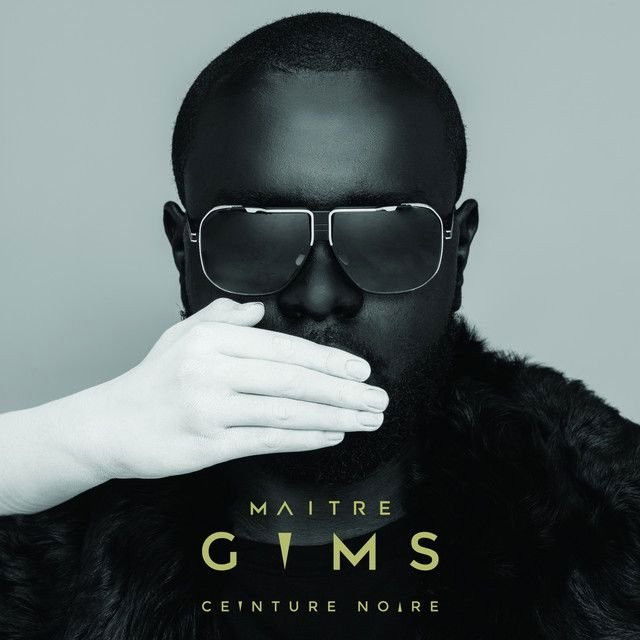
Why "La même" Refuses Every Box
The meaning of La même Maître Gims, Alvaro Soler starts with a simple act of resistance: they refuse to be neatly defined. Beneath its bright, easygoing pop surface, the song pushes back against labels, public judgment, and the pressure to pick one side of identity. It is catchy, but it is also defiant.
"La même" - Maître Gims, Alvaro Soler
Où les gens m'attendaient, je n'suis pas venu
Si je les emmêle, si je dérange
Loading lyrics...
Unable to load lyrics
We're unable to display the lyrics at this time. Please try again later.
Released by Maître Gims in 2018, with a later bilingual version featuring Alvaro Soler, the song became one of his major crossover hits. Public credits list Gandhi Djuna, Vianney Bureau, and Renaud Rebillaud as writers, and those names matter because the song combines Gims’ direct persona with Vianney’s gift for clear, singable phrasing and Rebillaud’s polished pop sense.
The Core Message Hides in Plain Sight
At its heart, the song says people are more complicated than the categories forced on them. Early lines describe a person who feels like a jumble, a mix, someone too layered for a simple label. When the narrator says trop compliqué
, they are not confessing failure. They are defending complexity.
That is why the chorus matters so much. The repeated idea behind si je vous gêne
is not cruelty or arrogance. It is emotional self-protection. If other people are uncomfortable with who they are, that discomfort no longer gets to control them.
Interpretation: The song turns social rejection into freedom. Instead of begging to be accepted, they decide not to shrink.

Watch the official La même
music video
Boxes, Cages, and the Fear of Being Sorted
The strongest image in the lyric is the idea of putting people into boxes. The song suggests that society files everyone away before truly understanding them. It argues that a human being is made of many “boxes” already, which means no outside label can ever be big enough.
That idea grows darker with the image of sages building cages. In plain terms, even people who claim wisdom can create systems that trap others. The message is not only personal. It is social. Rules, expectations, and stereotypes often pretend to bring order, but they can also reduce individuality.
la vie, c'est des envies
l'envie avant les avis
Those two short lines give the song its answer. Desire comes before public opinion. They would rather live from inner impulse than from the approval of the crowd.
A Narrator Who Will Not Pick a Side
One of the most revealing ideas in the lyric is the refusal to choose only one camp. The singer says they will never choose just one side, and that matters because the whole song rejects binary thinking. They can like high culture and popular culture, old names and new names, even opposites that others think should never mix.
When the song mentions loving Brel and another artist in the same breath, it makes a broader point: taste, identity, and loyalty do not have to be pure. A person can contain contradictions.
Interpretation: This can be heard as a statement about mixed identity, fame, class movement, or just personality itself. The song does not lock into one reading, which fits its theme perfectly.
Why the Hook Sounds So Free
Musically, “La même” helps its message land by sounding light on its feet. The beat is danceable, the melody is repetitive in a smart pop way, and the hook’s sing-along shape makes its refusal feel communal rather than lonely. Instead of sounding wounded, the record sounds unbothered.
That choice is important. A heavy arrangement would have turned the lyric into complaint. This production does the opposite: it makes self-acceptance feel joyful. The repeated vocal cries and the bounce in the rhythm give the song movement, almost like someone dodging every attempt to pin them down.
Alvaro Soler’s involvement also adds to that openness. His pop style softens the track’s edge and widens its reach for listeners outside French rap-pop. Even when listeners do not catch every line, they can still feel the song’s emotional direction: confidence, release, and motion.
The Mask, the Glasses, and Public Image
Another smart detail is the mention of dark glasses and people asking when the mask will fall. That image points toward celebrity, but also toward everyday performance. Others assume that anyone who seems guarded must be hiding their “real” self. The song pushes back on that assumption.
The point is not that they are fake. The point is that the audience wants a simple reveal, some final category that will make the person easy to read. But the song keeps refusing that demand.
This is where Maître Gims’ star image strengthens the lyric. As a public figure, he has often occupied multiple spaces at once: rapper, pop star, mainstream hitmaker, and outsider-insider figure. That background gives the song extra weight, even without reducing it to autobiography.
What the Chorus Really Means
The phrase bah c'est la même
is casual, almost shrugging. In context, that shrug becomes the song’s superpower. It means: if judgment comes, nothing changes. They will still move forward.
That is why the chorus is so memorable. It is not just catchy repetition. It is a boundary. It tells critics, doubters, and anyone trying to sort them into petites cases
that their opinion does not define the person singing.
Final Take on the Song’s Meaning
The meaning of La même Maître Gims, Alvaro Soler is about identity without apology. It celebrates the right to be mixed, inconsistent, evolving, and hard to categorize. Its best trick is that it delivers that message with warmth instead of bitterness.
For many listeners, that is why the song lasts. It does not ask them to solve the self. It asks them to let the self stay large.
Disclaimer: This interpretation is based on the lyrics, public credits, and the song’s musical presentation. Like any pop song, it can support more than one valid reading.







