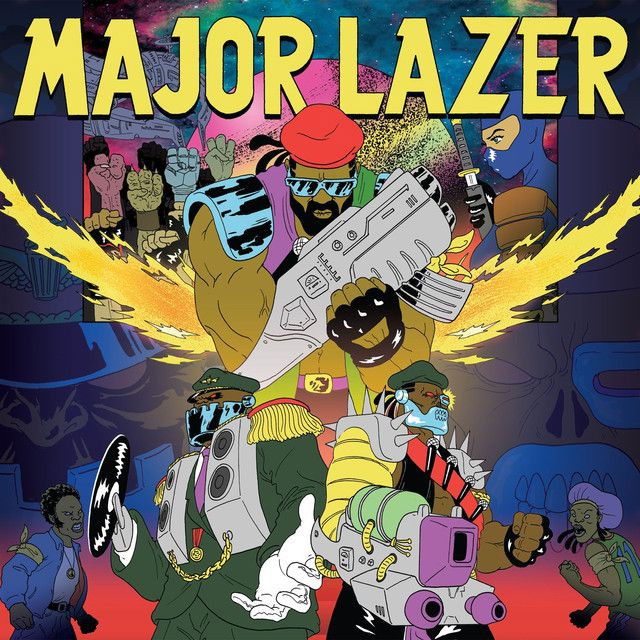
Get Free by Major Lazer
They press play, and the first thing that lands is weight: a steady, dub-soaked pulse, and a voice straining against it. The meaning of Get Free Major Lazer is a push-pull between pressure and hope—how someone fights to keep their dreams alive when money, time, and systems all say no.
"Get Free" - Major Lazer
(Hey)
Never got love from a government man
Loading lyrics...
Unable to load lyrics
We're unable to display the lyrics at this time. Please try again later.
A quiet protest wrapped in a mantra
Get Free sketches a life lived on the margins. Lines about never got love
and heading downstream
point to institutions that don’t show up when people need help. The narrator isn’t grandstanding; they sound tired and honest.
Interpretation: The song is about everyday survival. Instead of a single “villain,” it shows how slow forces—debt, low wages, bad luck—chip away at a person’s confidence until, as they say, my dreams are wearin' thin
.
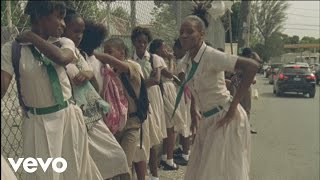
Watch the official Get Free
music video
The voice and the hook that keeps returning
Amber Coffman sings in the first person, so the pleas feel personal. The chorus stacks disbelief, harm, and longing, turning exhaustion into a refrain:
Look at me
I just can't believe
what they've done to me
we could never get free
They don’t over-explain; they repeat. Interpretation: The hook is a coping mechanism. By naming harm and repeating a wish to be, the speaker holds on to identity when circumstances try to erase it.
Images that do the heavy lifting
Water is the main symbol. The levee, the tide, and water so deep
suggest danger that builds slowly and then breaks all at once. Interpretation: The current stands in for systemic pressure—economic and social forces that individuals can’t control.
There’s also a worker’s image in the “battery hen,” a cramped, factory-farm reference. Even without quoting it here, that picture maps to routine and containment. And when the bridge says they’re in the same boat
, it flips isolation into solidarity, hinting that relief is collective, not solo.
How the sound says the same thing
Facts: Get Free was released May 18, 2012, and appears on Major Lazer’s album Free the Universe. It features Amber Coffman (then with Dirty Projectors) and was created by Thomas Wesley Pentz (Diplo), Switch (Dave Taylor), David Longstreth, and Coffman. The official video—shot in Kingston, Jamaica—leans into lived Jamaican scenes rather than glossy fantasy, rooting the song’s ache in real places.
Production-wise, it blends dancehall and dub: a slow, skanking shuffle, deep sub-bass, clipped guitar-like stabs, and lots of echo. Interpretation: That empty space in the mix mirrors scarcity, while the groove keeps moving forward. Coffman’s airy top-line floats over the bass like a thought that refuses to sink. Even the drop is restrained, which keeps the focus on emotion, not spectacle.
Cultural footprint matters too. The track broke internationally and later turned up in films, proof that its steady ache reads across contexts. Interpretation: It’s a protest you can hum—soft power that sneaks into everyday life.
A timeline in three beats
- Verse 1: They outline unfair support systems and small-town traps (
heading downstream
), asking how to scrape together enough to leave. - Chorus: Shock and resolve collide—naming harm, insisting on the right to be and to dream.
- Verse 2 and bridge: The water rises (
water so deep
), time drags, and then comes a turn to community (same boat
), pivoting from me to we.
Two credible readings, side by side
- Interpretation 1: Economic struggle. The levee, tide, and drained voice point to poverty cycles and institutional neglect. The dream becomes a lifeline when material exits are blocked.
- Interpretation 2: Burnout and mental fog. The imagery tracks with long stress: days blur, mornings feel empty, and the chorus functions like a mantra to get through another day.
Both readings share a key truth: freedom is not a switch; it’s a grind. That’s why the song returns to being and dreaming. Desire needs repetition to survive.
Why it resonates now
The track’s power is its contrast. The music urges the body forward while the lyric pauses to witness harm. When they admit my dreams are wearin' thin
, listeners who’ve felt their own margins closing in hear themselves. And when the bridge widens to same boat
, it invites them into a circle.
Final turn: dreaming as action
Get Free never pretends the tide won’t return. But it treats dreaming as work—daily, deliberate, and shared. That’s the subtle victory inside the groove.
Disclaimer: Song meanings are interpretive. This breakdown reflects one informed reading of the lyrics, context, and production choices.









