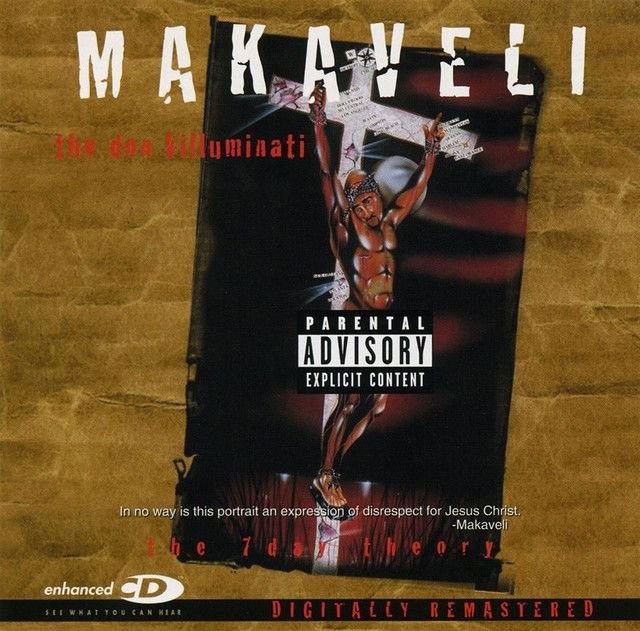
Hail Mary by Makaveli
Why This Song Still Feels Dangerous
The meaning of Hail Mary Makaveli starts with tension. The song sounds like a prayer, a warning, and a final statement all at once. Released on The Don Killuminati: The 7 Day Theory in 1996 under Tupac Shakur’s Makaveli alias, it arrived after his death and quickly became one of the most haunting records tied to his legacy.
"Hail Mary" - Makaveli
Killuminati, all through your body
The blow's like a twelve gauge shotty
Loading lyrics...
Unable to load lyrics
We're unable to display the lyrics at this time. Please try again later.
Factually, the song features Outlawz members Kastro, Young Noble, and Yaki Kadafi, with vocals from Prince Ital Joe, and it was later released as a single in 1997. It was recorded during the intense sessions for The 7 Day Theory, an album widely noted for its dark mood and religious imagery. Research sources also note that producer Hurt-M-Badd built the beat very quickly, helping give the song its raw, immediate feel.
Watch the official Hail Mary
music video
The Core Meaning Beneath the Threats
At its heart, “Hail Mary” is about a person trapped by violence, paranoia, and pressure, while still reaching toward God. That is why the title matters. A “Hail Mary” is a Catholic prayer, but in everyday speech it also means a desperate last try. The song uses both meanings.
They present a narrator who feels cornered and spiritually torn. On one side, they ask for mercy and guidance. On the other, they speak in the language of retaliation. Early on, the line I ain't a killer
is followed by pressure and provocation, making clear that the speaker sees violence as both a danger and a temptation.
Interpretation: The song is not simply celebrating revenge. It sounds more like a confession from someone who knows revenge may destroy them, but also feels it is the only language the world around them understands.
Prayer, Fear, and Survival in the Verses
A major part of the meaning of Hail Mary Makaveli comes from how often sacred language appears next to images of death. The song keeps moving between faith and street survival. They ask for blessing, mention God, and frame the world like a battlefield.
One key idea is that the narrator feels half-alive already. When they call themselves a ghost
, it suggests emotional numbness, fame turning unreal, and the sense that death is always near. That image became even more powerful after Tupac’s death, because listeners naturally heard the track as prophetic.
The song also shows how prison, poverty, and hopelessness shape people’s choices. There are references to packed penitentiaries, drug dealing, and a life with nothin' to lose
. Those details matter because they move the song beyond a simple diss or threat. It becomes a portrait of a world where danger feels normal.
Come with me
Do you want to ride or die?
That hook does more than sound catchy. It acts like a challenge: choose loyalty, choose risk, and choose a side.
What the Chorus Really Does
The chorus is one of the song’s smartest moves. It mixes invitation and menace. When the hook says Come with me
, it sounds almost welcoming. But when that invitation turns into ride or die
, the warmth disappears. Suddenly, joining this world means accepting danger, sacrifice, and maybe death.
Interpretation: The hook draws a line in the sand. It tells friends, rivals, and even listeners that neutrality is not possible. In this song’s universe, everyone must declare where they stand.
That is one reason the record feels so cinematic. The chorus is less about plot than atmosphere. It creates the feeling of being pulled into a dark procession, almost like a funeral march mixed with a gang oath.
How the Sound Carries the Message
The production is crucial to understanding the song. Hurt-M-Badd’s beat is spare, eerie, and heavy. The keyboard tones feel ghostly, while the drums move with a slow, stalking force. Reports about the recording say the beat came together in roughly 20 minutes, and that speed may explain why it feels so instinctive rather than polished.
The sound supports the lyrics in three ways:
- It creates dread before a single verse lands.
- It gives the prayer imagery a haunted tone.
- It makes every threat feel calm instead of wild, which is more unsettling.
The vocal performances matter too. Tupac’s delivery is focused and intense, not chaotic. The Outlawz verses widen the song’s world, turning one person’s paranoia into a collective mindset. By the end, the track feels less like one man speaking and more like a whole circle facing pressure together.
Artist Context Changes the Meaning
Context matters a lot here. Tupac recorded “Hail Mary” during a period of public feuds, legal pressure, and nonstop media attention. On the Makaveli album, he leaned into apocalyptic and religious themes, even using imagery that cast himself as persecuted and judged.
That background helps explain why the song feels both personal and mythic. They are talking about enemies in real life, but also building a larger character: the hunted outlaw, the sinner, the survivor, and the martyr. Because the song was released after his murder, listeners often hear it as eerily final.
Its afterlife also shaped its meaning. The track remained culturally powerful through later performances, film placements, and even the 2012 Coachella hologram set, which showed how strongly it still connects with audiences.
A Clear Takeaway on “Hail Mary”
So, what is the meaning of Hail Mary Makaveli? It is a song about living at the edge of violence while still reaching for salvation. It turns prayer into street language and street language into spiritual crisis.
Interpretation: The genius of “Hail Mary” is that it never fully chooses between confession and threat. It holds both at once. That is why the song still feels alive: it captures fear, loyalty, rage, and faith in the same breath.
Disclaimer: This article offers an interpretation based on the lyrics, recording context, and public reception. Song meaning can remain open to different listener readings.








