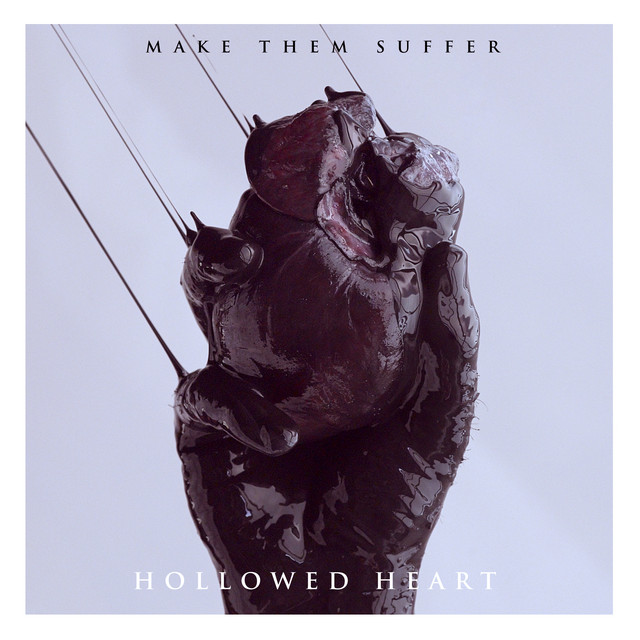
Hollowed Heart by Make Them Suffer
The meaning of Hollowed Heart Make Them Suffer centers on trauma that is carried in silence. The song reads like a witness speaking to someone who has been deeply hurt, possibly abused, and pushed into private shame. It is not subtle about its anger. At the same time, it is deeply tender toward the person at the center of the story.
"Hollowed Heart" - Make Them Suffer
To make you cry yourself to sleep
But you're a star, you're a vision, you're a hero to me
Loading lyrics...
Unable to load lyrics
We're unable to display the lyrics at this time. Please try again later.
Make Them Suffer are known for combining metalcore heaviness with melodic and atmospheric elements, a style documented across the band’s official pages and major music outlets such as Sharptone Records and AllMusic. That blend matters here, because the song’s meaning is carried not just by the words, but by the way sympathy and fury collide.
A Song About Private Pain and Public Cruelty
At its core, the track describes someone who looks composed on the outside but is suffering alone. Early lines frame them as admirable even while broken, using phrases like you’re a hero to me
and you’re a mess
. The contrast is the point: the song refuses the idea that being wounded makes someone weak.
Interpretation: the speaker sees survival itself as heroic. They are not praising perfection. They are recognizing endurance.
The lyrics keep returning to hidden pain. When the song says the person keeps things to themselves, it paints trauma as something buried under routine, fear, and exhaustion. That makes the track feel less like a simple breakup song and more like a statement about abuse, bullying, or sexual violation.
Why the Repeated Sounds Matter
The most striking device is the repeated Bang. Bang. Bang
. Instead of acting like a catchy hook, it feels like a threat echoing through memory. The sound is linked to both your bedroom door
and the bathroom stalls
, which places fear in two different spaces: one intimate and one public.
That matters because it broadens the song’s world. The bedroom suggests danger at home or in private. The bathroom stalls suggest humiliation, isolation, or assault in social settings such as school, work, or nightlife. The repeated sound turns ordinary locations into places of dread.
Interpretation: the song may be describing more than one incident. It can also be heard as one trauma replaying across different spaces in the survivor’s mind.
The Speaker’s Role: Witness, Defender, Mourner
One reason the song hits so hard is the speaker’s position. They are not detached. They are emotionally involved, protective, and furious. They watch someone spiral into tears and nightmares, yet they never blame that person for collapsing under the weight.
Instead, the blame is aimed outward. The song’s harshest words are reserved for the abusers, whom the speaker calls fucking cowards
. That accusation is blunt, but it also reveals the song’s ethics. The victim is treated with care; the people who caused the harm are treated with contempt.
This is where the title becomes especially important. A “hollowed heart” suggests that the person has not simply been saddened. They have been carved out from the inside. Something vital has been taken, and the speaker is trying to honor what remains.
A Brief Story Told in Fragments
The lyrics do not unfold like a detailed narrative. Instead, they offer broken scenes and emotional aftershocks. That fragmented style fits the subject.
A simple timeline looks like this:
- The song introduces someone carrying hidden pain.
- It shows fear tied to specific places and sounds.
- It describes the aftermath: tears, nightmares, drinking, and no sleep.
- It rejects self-blame and condemns the perpetrators.
- It closes with a poetic gesture of remembrance and advocacy.
That last moment is especially moving. When the speaker says they wrote on the victim’s behalf, the song turns into testimony. It becomes a way of speaking for someone who may feel unable to speak.
How the Music Deepens the Meaning
The production style associated with Make Them Suffer gives the track extra force. Their music often moves between crushing riffs, screamed vocals, and melodic or ambient passages, as noted by The AU Review and Distorted Sound in coverage of the band. In a song like this, that dynamic range mirrors the emotional swings between numbness and explosive rage.
The harsher vocal delivery sounds like outrage breaking through repression. The more melodic passages create room for grief and compassion. Heavy drums and chugging guitars make the repeated knocks feel almost physical, as if the listener is trapped in the same cycle of dread.
Interpretation: the arrangement does not just accompany the lyrics. It acts out trauma’s rhythm—quiet fear, sudden impact, then emotional collapse.
The Song’s Strongest Themes
Several themes shape the meaning of Hollowed Heart Make Them Suffer:
- Survival under pressure: the central figure keeps functioning despite deep pain.
- Hidden trauma: much of the suffering happens in silence.
- Rejection of shame: the song clearly argues that the victim is not at fault.
- Moral rage: the speaker is disgusted by the cruelty of others.
- Witnessing as care: writing and singing become acts of protection.
These themes make the track feel personal, but also social. It speaks to how often victims are left to carry damage alone while others protect appearances.
Final Take: Why This Song Still Cuts Deep
The meaning of Hollowed Heart Make Them Suffer is not just that someone is hurting. It is that someone has been harmed, forced into silence, and then seen clearly by a voice that refuses to look away. That mix of empathy and anger is what gives the song its staying power.
For many listeners, the song lands as both tribute and confrontation. It honors a survivor’s strength while naming the ugliness around them. That balance is what makes “Hollowed Heart” feel so raw and so human.
Disclaimer: This interpretation is based on the released lyrics, the band’s known style, and publicly available context. As with most songs, listeners may hear meanings that differ from the ones discussed here.







