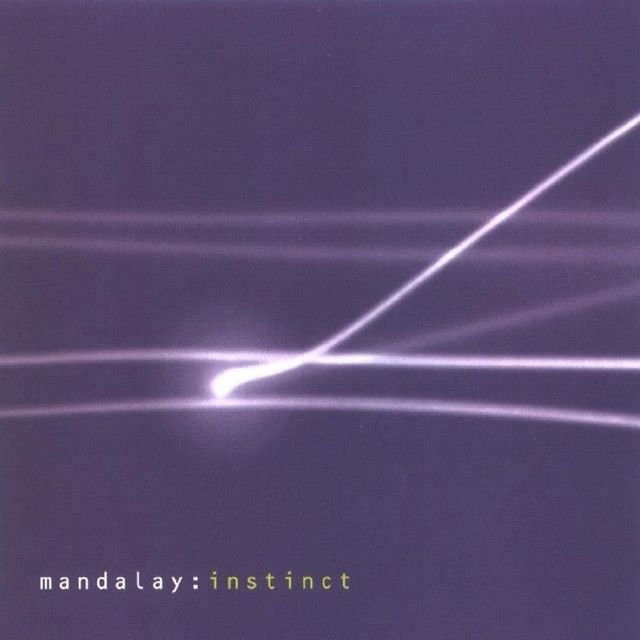
Why 'It's Enough Now' Feels Like a Final Goodbye
The meaning of It's Enough Now Mandalay centers on emotional exhaustion. The song sounds like the moment when someone stops trying to rescue a relationship that has already drained them. Instead of a dramatic explosion, Mandalay frames that ending as quiet clarity: they have been hurt, they still feel low, but they now see the truth.
"It's Enough Now" - Mandalay
Is here
If love is given in to hope you're fooling yourself it's as if you knew all
Loading lyrics...
Unable to load lyrics
We're unable to display the lyrics at this time. Please try again later.
Mandalay, the electronic duo of Nicola Hitchcock and Saul Freeman, built much of their reputation on moody, elegant songs that mix intimacy with distance. That pairing matters here. Even from the lyric sheet alone, It's Enough Now reads like a soft breakup statement, one shaped by disappointment rather than revenge.
The Core Message Hides in Plain Sight
At its heart, the song is about realizing that hope has kept the speaker trapped. They address someone who seems to have taken love, time, and emotional energy without giving back in a healthy way. Early lines suggest that the other person has taken whole days from them, almost as if the relationship has stolen part of their life.
The emotional pivot comes in the refrain: it's enough now
. That phrase is simple, but it changes everything. They are no longer arguing about what happened. They are setting a limit.
Right after that, the lyric it's your loss now
adds a second layer. This is not just surrender. It is a small act of self-respect. The speaker may still be wounded, but they are starting to reclaim value in themselves.

Watch the official It's Enough Now
music video
Who They Are Singing To
The song appears to address a person who knew the damage they were causing. More than once, the lyric suggests awareness, especially in the repeated idea that they knew all along
. That phrase makes the betrayal feel worse. It implies not an accident, but a pattern.
Interpretation: This makes the song less about miscommunication and more about emotional imbalance. One person kept hoping. The other may have accepted that hope while never truly returning it.
There is also a faint accusation in the way the speaker talks to them. Even when the words are not harsh, they are pointed. The song sounds like someone looking back and finally naming what they once tried to excuse.
A Short Emotional Timeline
The lyrics move through a clear sequence:
- They begin by recognizing loss and theft, as if love has cost them more than they admitted.
- They question hope, suggesting that trusting in it may have been a mistake.
- The chorus marks the breaking point: enough is enough.
- They end by describing the other person as someone who takes light and damages their own image too.
That last idea is striking. When the speaker says the other person can steal the sunlight
, the image feels bigger than ordinary heartbreak. Sunlight often stands for warmth, life, or joy. To steal it is to darken the emotional world around them.
The Chorus Turns Hurt Into a Boundary
The chorus is the reason the song lingers. It does not promise healing or closure. In fact, the line about being low admits the opposite: they are still in pain. That honesty keeps the song from sounding fake or triumphant.
It's enough now
It's your loss now
It's just that I'm low
This is the song's emotional thesis. The speaker can barely stand up emotionally, yet they still draw a line. That is why the chorus feels powerful. It says boundaries do not require perfect strength. Sometimes people set them while still heartbroken.
Hope, Self-Deception, and the Song's Sharpest Idea
One of the most interesting parts of the lyric is its suspicion of hope. The song seems to say that hope can become dangerous when it stops being realistic. If someone keeps waiting for love to become what it is not, they may end up fooling themselves.
Interpretation: In that reading, the song is not only criticizing the other person. It is also gently criticizing the speaker's own willingness to keep believing. That makes the writing feel more mature. They are not claiming total innocence; they are admitting how easy it is to stay in something harmful when hope keeps whispering that change is coming.
How the Electronic Mood Supports the Meaning
Mandalay's electronic style is important to understanding the song. The duo's work is often associated with atmospheric production and intimate vocals, and the songwriting credit here goes to Nicola Hitchcock and Saul Freeman, as provided in the lyric context. In a song like this, electronic textures can heighten distance, repetition, and emotional fog.
Rather than sounding raw in a rock sense, the song likely feels controlled and cool on the surface. That restraint matches the lyric. The speaker is not screaming. They are arriving at a hard truth slowly.
That contrast matters. Soft electronic arrangements often let sadness feel suspended, almost floating. In It's Enough Now, that kind of sound would fit a narrator who is detached enough to see clearly, but not healed enough to feel calm.
Another Possible Reading
The most direct reading is a romantic breakup. Still, there is room for more. The song could also describe any relationship built on emotional taking: a friendship, a manipulative bond, or even a cycle of self-worth tied to another person's approval.
The broad language helps. There are no concrete details about places, dates, or events. Because of that, the song feels universal. Many listeners can hear their own story inside it.
Why the Song Still Connects
The meaning of It's Enough Now Mandalay lasts because it captures a very real stage of heartbreak: the point where pain and clarity exist together. They are still low, but they are no longer blind. That combination is what gives the song its quiet force.
Instead of offering neat closure, Mandalay gives listeners something more believable. They show that ending a harmful connection can feel sad, uncertain, and necessary all at once.
Disclaimer: This interpretation is based on the lyrics provided and general artist context. As with most songs, meaning can remain open to personal listening and may differ from the writers' exact intent.








