Why 'The Wolves' Feels Like a Warning
The meaning of The Wolves Mandolin Orange comes from a powerful contrast: warmth and welcome on one side, fear and aggression on the other. The song begins with open-hearted images, then slowly shows how a community or a person can harden under pressure. By the end, it feels less like a simple folk story and more like a warning about what happens when compassion gives way to fear.
"The Wolves" - Mandolin Orange
At my door you're welcome in
There can be no transgression
Loading lyrics...
Unable to load lyrics
We're unable to display the lyrics at this time. Please try again later.
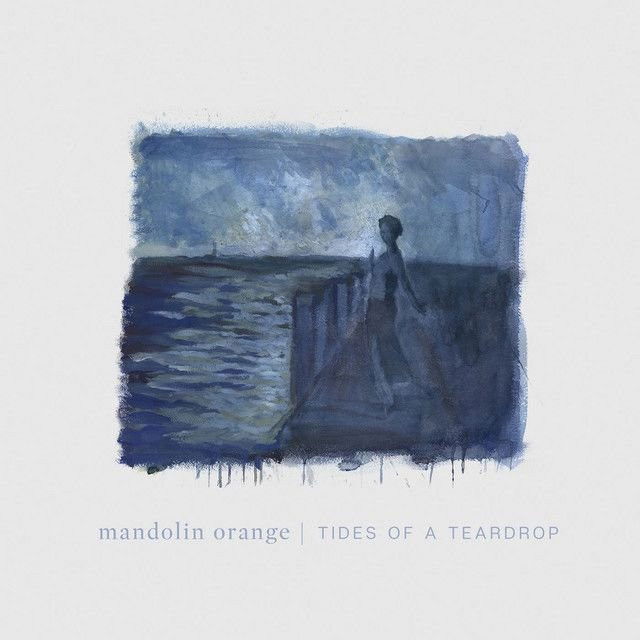
Mandolin Orange, the North Carolina duo of Andrew Marlin and Emily Frantz, released the song in early 2019 as a preview of Tides of a Teardrop, according to Rolling Stone. That context matters because the track arrived as the group was stretching beyond its spare duo sound and broadening its lyrical ambition.
A Song About Open Doors Under Threat
At first, the narrator describes a world of hospitality. They speak in the language of invitation and safety, suggesting a moral ideal where people care for each other. But that ideal quickly cracks. The song moves from welcome to tension, from openness to suspicion.
That shift is clearest when the lyrics move toward images like open arms
becoming fearful and helping hands
turning angry. Paraphrased, the song suggests that kindness is not just fading by accident; it is being replaced by defensive, wounded behavior. This gives the track its emotional center: a grief over what people become when fear takes over.
Interpretation: They seem to present a world where social trust is breaking down. The wolves are not only outside the gate. They may also reflect what grows inside people when they stop seeing others as neighbors.

Watch the official The Wolves
music video
The Woman at the Center of the Story
One of the most striking parts of the song is the tall, watchful female figure in the second and third verses. Rolling Stone called the song a narrative centered on an elderly woman who has survived hardship, while also noting its impressionistic style. That helps explain why she feels both real and symbolic.
She is described with strength, endurance, and maternal care. The song gives her a near-mythic presence, as if she stands for memory, land, or moral steadiness. Phrases like guiding light
and the image of her facing the East make her feel almost monumental.
Interpretation: They may be portraying her as a keeper of wisdom in a frightened world. She does not erase danger, but she faces it with clarity. In that reading, she becomes the song’s moral anchor.
What the Chorus Really Means
The chorus is the song’s most surprising turn. It says, in effect, that things are so good they provoke tears, and then the narrator chooses to go howling at the moon
. That is a strange response if the song were only about despair.
Instead, the refrain sounds like release. It holds joy and sorrow at the same time. The line about everything being great can be heard as sincere, ironic, or both. In plain terms, the song seems to say that life can be beautiful even when it hurts, and the answer is not silence but expression.
Everything's so great
Can't get better
Makes me wanna cry
That short burst captures the song’s emotional complexity. The tears are not necessarily signs of defeat. They may be signs of feeling too much at once.
Wolves, Gates, and Closed Doors
The imagery in the song works because it is simple and loaded at the same time. Gates and doors suggest community, safety, and the boundary between self and world. Wolves suggest threat, hunger, and the return of wild instinct.
When the song says the wolves are on the wind, the danger feels atmospheric. It is not just one event; it is a mood spreading through the air. Later, when our doors are closing
, the human response becomes part of the problem. The outside threat matters, but so does the fear-driven choice to shut down.
A few key motifs shape the meaning:
- Hospitality: the ideal of shared shelter
- Fear: the force that corrodes that ideal
- The woman: resilience, care, and warning
- The wolves: danger, temptation, or social cruelty
- Howling: release, defiance, and emotional truth
How the Arrangement Deepens the Message
The sound of “The Wolves” matters almost as much as its words. Rolling Stone noted that Mandolin Orange expanded beyond their usual duo format by bringing in their touring band on this track. That fuller arrangement gives the song a wider horizon.
Instead of staying intimate and hushed, the music feels more panoramic. The acoustic base still keeps the song grounded in folk and bluegrass textures, but the broader backing creates lift and tension. That suits a lyric that moves between home, landscape, and looming threat.
Interpretation: They use that expanded sound to mirror the story’s scale. This is not just one person’s private sadness. It feels communal, even national, as if the song is watching a larger moral weather system roll in.
The Strongest Reading of the Song
The strongest reading is that “The Wolves” is about holding onto humanity when fear makes people cruel. It notices closed hearts without surrendering to them. Even its darkest images are answered by motion, voice, and feeling.
That is why the song lingers. The meaning of The Wolves Mandolin Orange is not simply that danger is near. It is that people still have a choice in how they meet that danger: with clenched teeth, or with the risky courage to remain open.
Disclaimer: This interpretation is based on the lyrics, recorded performance, and available reporting, but song meanings can remain personal and open to debate.








