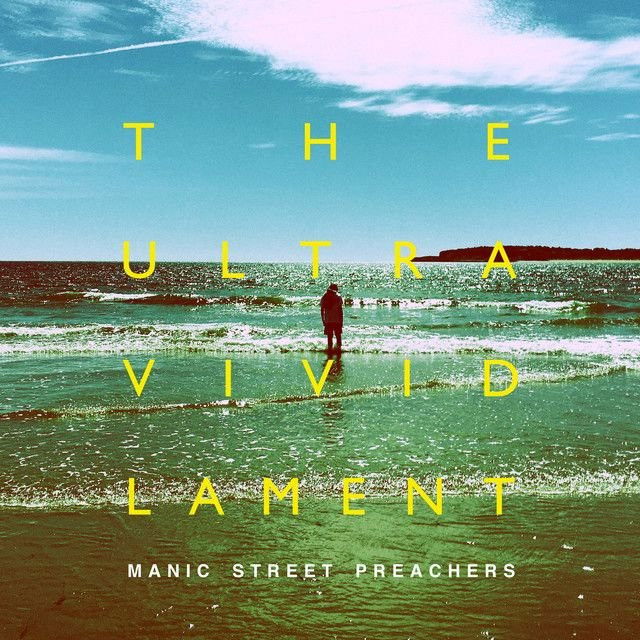
Quest for Ancient Colour by Manic Street Preachers
The meaning of Quest for Ancient Colour Manic Street Preachers comes into focus as a song about inner collapse in a world that feels overprocessed, digitized, and emotionally drained. On the surface, it is built like a bright, melodic Manic Street Preachers track. Underneath, it sounds like a crisis of identity.
"Quest for Ancient Colour" - Manic Street Preachers
The main actor in it was me
My scream had lost its source
Loading lyrics...
Unable to load lyrics
We're unable to display the lyrics at this time. Please try again later.
The speaker moves through dream imagery, social emptiness, and a loss of control. They are not just sad. They seem cut off from the very source of feeling and meaning.
A Bright Song About a Fading Self
At its core, the song describes a person who no longer recognizes their own inner life. It opens in a nightmare, then keeps returning to that sense of estrangement. When the narrator says I had a very bad dream
, the line is simple, but the idea is bigger: waking life now feels almost as unreal as sleep.
That confusion deepens with my scream had lost its source
. Paraphrased, this suggests pain without a clear cause. The person feels distress, but cannot trace where it began. That is one reason the song feels so modern. It captures the way anxiety can become ambient, no longer tied to one event.
Interpretation: the “quest” in the title is not a heroic journey. It is a search for lost depth—older feeling, older beauty, maybe even older certainty.

Watch the official Quest for Ancient Colour
music video
Why “Ancient Colour” Matters
The title phrase gives the song its most important symbol. Quest for ancient color
sounds like a search for something vivid and original. Color here likely stands for sensation, meaning, and emotional truth.
By calling it “ancient,” the song points backward. It suggests that whatever the speaker wants cannot be found in the present system of life. That fits the wider mood of The Ultra Vivid Lament, an album released on September 3, 2021, that critics connected to lockdown, alienation, and the strange flattening of time in modern life, as discussed by PopMatters.
In that context, “ancient colour” can be heard as a longing for depth before everything became filtered through screens, slogans, and surface.
The Chorus Turns Confusion Into the Theme
The chorus is the emotional center because it states the loss plainly. The narrator admits I used to make sense
and then says now I am confused
. That shift is devastating because it is so direct.
They also move from agency to passivity: once in control, now feeling used. The song does not frame this as one failed romance alone. It sounds broader than that, as if modern life has stripped the speaker of coherence.
A Small Map of the Song’s Emotional Movement
- A nightmare introduces fear and self-division.
- Summer images appear, but they vanish almost instantly.
- The chorus names confusion and lost control.
- The final verse blames a damaged modern world for the collapse.
That structure matters. The song starts with symptoms, then slowly points toward a social cause.
Images of Summer, Space, and Urban Ruin
Some of the song’s best lines contrast beauty with emptiness. The summer references should sound warm and nostalgic, yet the people are gone. The seasonal world has emptied out. Likewise, “internal galaxies” suggests vastness within the mind, but it does not feel freeing. It feels isolating.
Then the imagery gets harsher. The line about negative capability
borrows a literary idea often linked to living with uncertainty. Here, though, it does not feel graceful or creative. It feels invasive, as if ambiguity has flooded the self.
The phrase about a “suburban sinkhole” and “urban sprawl” pushes the song outward from the private mind to the built environment. Emotional damage mirrors social damage. The inner life has become as unstable as the world around it.
The Digital Age Haunts the Song
The clearest clue arrives near the end with derelict digitized love
. This is one of the sharpest lines in the track because it gives the crisis a historical setting. Love itself has become damaged by digitization—broken, impersonal, and hollow.
That reading fits the broader critical response to the album. PopMatters argued that The Ultra Vivid Lament often explores how digital life weakens language, truth, and the stable self. “Quest for Ancient Colour” was singled out there as a song of lost center and dreamlike unreality.
Interpretation: the track may be saying that modern life does not just distract people. It erodes their ability to know what they feel and why they feel it.
How the Sound Supports the Meaning
Manic Street Preachers often pair serious lyrics with polished, accessible music, and that tension matters here. The song’s tuneful repetition and open, pop-rock sheen make it sound almost uplifting at first.
But that brightness becomes ironic. The repeated vocal hook circles like a thought that cannot resolve. Instead of release, the melody creates a sense of being stuck inside a loop.
That contrast—glossy sound, damaged psyche—echoes the album’s wider aesthetic. Critics have noted how The Ultra Vivid Lament often places radiant surfaces over themes of loneliness and fracture, which makes this song feel central rather than incidental.
The Most Plausible Reading
The best reading of the meaning of Quest for Ancient Colour Manic Street Preachers is that it is about searching for authentic feeling after the self has been thinned out by modern conditions. Those conditions include dreamlike anxiety, social emptiness, suburban numbness, and digital forms of love that no longer nourish.
It is personal, but not only personal. It is also cultural.
In the end, the song does not offer recovery. It offers recognition. That may be why it lingers: it gives a catchy shape to confusion many people already know.
Disclaimer: This interpretation is based on the lyrics, musical context, and publicly available commentary. As with any song, meaning can remain open to multiple valid readings.